Bedding

How to Choose Hotel Percale Sheet Sets for Canadian Property Management
Bedding

How to Choose Hotel Percale Sheet Sets for Canadian Property Management

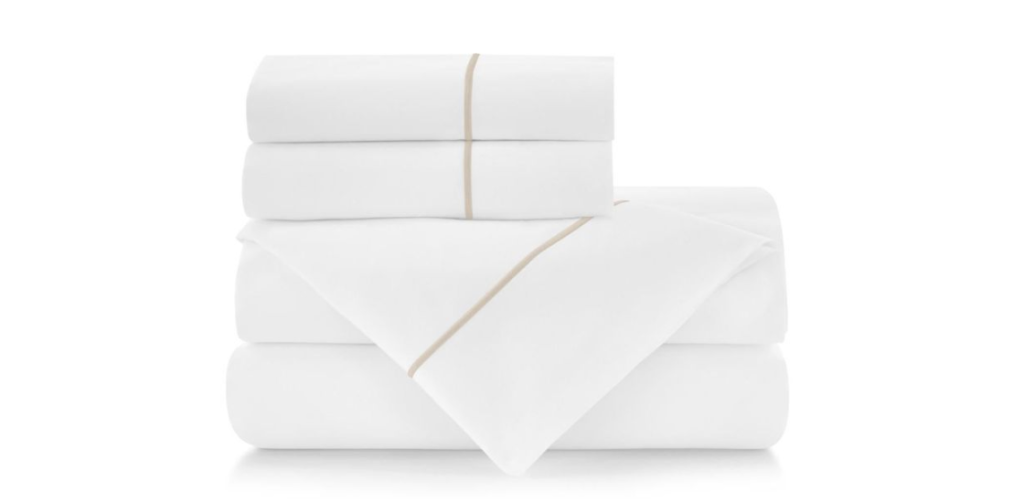
Hotel percale sheets are chosen on yarn quality rather than thread count. Single-ply long-staple cotton between 200 and 300 threads outlasts a multi-ply fabric advertised at twice the number, because inflated counts are produced by counting plies within a single yarn.  Percale is the default hospitality weave because it survives industrial laundering and comes back looking crisp. Choosing well within it comes down to three things: the quality of the yarn rather than the thread count printed on the packaging, whether the labour cost of pressing pure cotton is worth the feel, and how consistently a supplier can repeat an order across a portfolio. Managing bedding for one property is a purchasing decision. Managing it across several is an operations problem. Mismatched mattress depths, sheets from three suppliers in one linen room, and a reorder that arrives a shade off the last one all cost housekeeping time every day, and none of it shows up in a price comparison. This guide covers what percale actually is, how to read thread count honestly, the cotton against blend decision, the construction details that determine lifespan, and how to standardise bedding across multiple sites. Why Percale Is The Hospitality Default Percale is a plain weave, one thread over and one under, which produces a matte surface, a crisp hand and an open structure that breathes. It is the fabric most guests mean when they describe sheets as feeling like a hotel. For property management the appeal is practical rather than sensory. The plain weave has no long floats sitting on the surface, so there is less yarn exposed to abrasion from bodies, bed-making and industrial washing. Sateen, which floats several threads across the face to create its sheen, wears through those exposed floats faster and shows pulls more readily. Percale also presses well. A crisp, flat sheet reads as clean to a guest in a way a soft, draped fabric does not, and that perception matters more in a mid-market room than any fibre claim on a spec sheet. Our guide to cooling bamboo sheet sets covers the percale and sateen comparison in more detail, along with how weave affects airflow. Reading Thread Count Honestly Thread count is the most quoted and least reliable figure in hospitality bedding. Understanding how it is inflated is the difference between buying a durable sheet and buying a number. What The T Numbers Mean Hospitality suppliers usually quote percale as T180, T200, T250 or T300, referring to threads per square inch in the finished fabric. Most commercial percale sits in that range for good reason. Below it the fabric feels coarse and thins quickly. Above roughly 300 the weave becomes dense enough to lose the airflow that makes percale worth choosing. A property manager comparing a T200 quote against a T300 quote is comparing two reasonable options. One comparing a T200 against an 800 count percale is looking at a number that has been manufactured rather than measured. How Counts Get Inflated A yarn can be spun as a single strand or as two or more finer strands twisted together. When a fabric is woven from two-ply yarn, some suppliers count each ply separately, so a fabric with 150 actual threads per inch is advertised at 300. The inflated fabric is not better. Finer plies twisted together are weaker than one thicker single-ply yarn of the same total mass, and they break down faster under commercial washing. A single-ply T250 will normally outlast a two-ply fabric marketed at 500. Ask every supplier the same two questions: what is the thread count, and is the yarn single-ply or multi-ply. A supplier who will not answer the second question has answered it. What Actually Predicts Durability Staple length. Long-staple cotton produces smoother, stronger yarn with fewer fibre ends poking out of the surface, which means less pilling. Short-staple cotton pills within months in a commercial setting. Yarn ply. Single-ply, as above. Fabric weight in GSM. Grams per square metre measures how much fibre is actually in the fabric, which thread count does not. Finishing. Compacted or pre-shrunk finishes reduce cumulative shrinkage across wash cycles. Cotton Or Poly-Cotton – A Labour Decision, Not A Fabric One This is the choice that most affects a property management budget, and fabric price is the smallest part of it. Where 100 Percent Cotton Wins Pure cotton breathes better, absorbs moisture better and feels better against skin. It also holds a crisp press, which is why boutique and luxury properties specify it. Cotton gains strength when wet, which makes it well suited to industrial laundering, and it tolerates chlorine bleach and high wash temperatures better than most fibres. The trade is that it wrinkles heavily out of the dryer, so it needs pressing or ironing to look right on a bed. Where A Poly-Cotton Blend Wins A 50/50 or similar blend resists wrinkling, dries faster and generally survives more wash cycles before thinning. For a property turning rooms daily without an on-site press, it comes out of the dryer looking presentable, which removes a labour step from every room. Two drawbacks are worth knowing in advance. Polyester attracts and holds body oils, so blends grey and yellow over time in a way pure cotton does not, and once that happens bleaching does not reverse it. Blends also breathe less, which some guests notice in warm rooms. The Honest Recommendation If a property does not press its flat sheets, specifying 100 percent cotton buys a crispness the guest will never see. The sheets arrive on the bed wrinkled, the premium is spent, and housekeeping absorbs the difference in time spent smoothing beds that will not stay smooth. Choose on the laundry setup and the labour available, not on the positioning of the property. Situation Better specification On-site press or flatwork ironer, premium positioning 100 percent cotton percale Boutique property, low room count, pressing feasible 100 percent cotton percale Daily turnover, no pressing capability Poly-cotton blend Off-site laundry with no pressing included Poly-cotton blend Vacation
How to Choose Cooling Bamboo Sheet Sets for Canadian Motels & Inns
Bedding

How to Choose Cooling Bamboo Sheet Sets for Canadian Motels & Inns

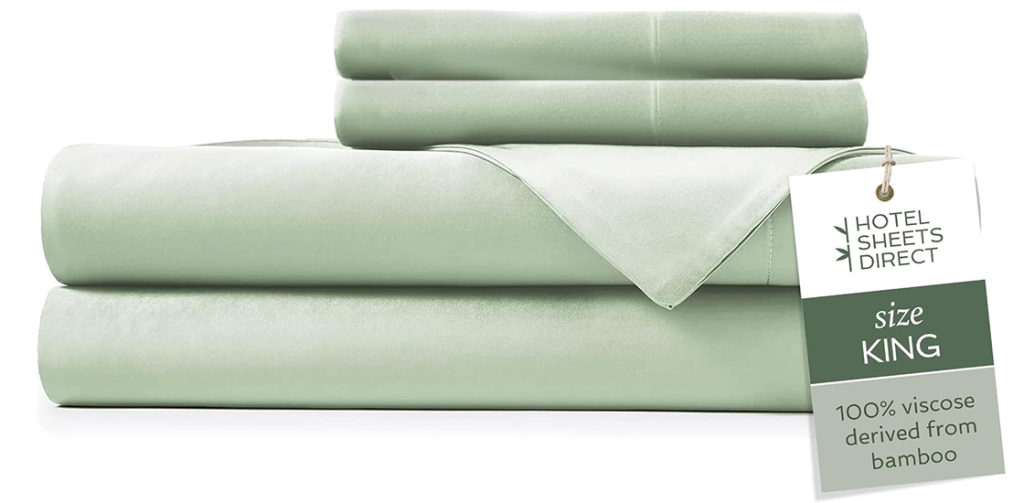
Cooling bamboo sheet sets suit motels and inns when the specification matches the laundry. Bamboo viscose moves moisture well and feels cool to guests, but it loses strength when wet, so wash temperature, chemistry and fabric weight decide whether a set lasts one season or several.  Cooling bamboo sheet sets work well in motels and inns provided the specification is matched to how the property launders them. Bamboo viscose moves moisture away from skin faster than cotton, which is what guests register as coolness, but the same fibre is weaker when wet than cotton is. That single property determines whether a bulk order lasts three years or falls apart in nine months. Most bedding suppliers will discuss softness and thread count. Fewer will discuss what happens after 200 industrial wash cycles at a small property with an on-site machine and inconsistent detergent dosing. This guide covers what bamboo sheets actually are, what makes a sheet feel cool to a guest, how bamboo viscose behaves under commercial laundering, the specifications worth comparing between suppliers, getting the fit right on motel mattresses, and how to test a sample before committing to a property-wide order. What Bamboo Sheets Are, And What The Label Must Say Buyers comparing quotes need to know that the word bamboo on a product page can describe two different materials, and only one of them is common in bedding. Bamboo Viscose Is A Regenerated Fibre Almost all sheets sold as bamboo are bamboo viscose, sometimes written as viscose from bamboo. The bamboo is dissolved into a pulp and extruded into fibre, which is why the finished fabric feels nothing like the plant. The process is what produces the drape and the smooth surface buyers associate with bamboo bedding. Mechanically processed bamboo, sometimes called bamboo linen, does exist. It is coarse, expensive and rare in hospitality bedding, so a quote offering bamboo sheets at a commercial price is offering viscose. Canadian Labelling Rules Apply Under Canadian textile labelling requirements, fabrics must be identified by their generic fibre name. A viscose fabric made from bamboo is labelled as viscose or rayon, with the bamboo source noted separately rather than substituted for the fibre name. This matters commercially. A supplier whose labelling or marketing describes the product only as bamboo, with no reference to viscose or rayon, is either unfamiliar with the rules or choosing to ignore them. Neither is reassuring in a supplier you intend to reorder from for years. Why The Distinction Changes Your Purchase Viscose and cotton behave differently in the wash, and the differences are the subject of most of this guide. A buyer who thinks they are purchasing a plant fibre similar to linen will set the wrong laundry parameters and blame the sheets when they fail. Info: Ask any supplier for the fibre content statement exactly as it appears on the product label, not as it appears in the marketing. The two are not always the same, and the label is what governs. What Makes A Sheet Feel Cool To A Guest Guests do not experience thermal conductivity. They experience whether they wake up damp, and that is largely a question of how quickly moisture leaves the skin and evaporates. Moisture Movement Matters More Than Fibre Alone Bamboo viscose absorbs and releases moisture readily, which keeps the layer of air against the skin drier. Dry skin loses heat more efficiently, so the sheet feels cool without doing anything to the room temperature. This is why bamboo bedding performs well in rooms with older air conditioning or uneven cooling, which describes a good number of motel and inn properties. The sheet cannot lower the room temperature, but it changes how the guest experiences it. Weave Affects Airflow Two weaves dominate hospitality bedding, and they feel different for reasons that have nothing to do with fibre. Percale is a plain over-under weave. It is crisper, matte, and more open, which allows more airflow through the fabric. Guests describing sheets as cool and hotel-like usually mean percale. Sateen floats several threads across the surface before crossing under. That produces a smooth, slightly lustrous face and a denser structure with less airflow. It feels silkier and reads as more luxurious, which suits boutique properties, but it is the warmer of the two. For a property positioning itself on cooling comfort, percale is generally the safer specification. For a boutique inn selling a premium feel, sateen may be the better fit even though it breathes less. Claims To Treat With Caution Bamboo bedding is often marketed as antibacterial, hypoallergenic or naturally odour-resistant. Whatever properties raw bamboo has, the viscose process dissolves the plant and reconstitutes the fibre, so claims carried over from the plant do not automatically survive it. Claims of this kind are regulated in Canada and difficult to substantiate. Regulators in other markets have taken enforcement action against sellers making them about bamboo textiles. A supplier making these claims to you in a sales conversation is likely making them on packaging and product pages, which your property then repeats to guests. That moves the supplier’s exposure onto you. Cooling and moisture-wicking describe what the fabric actually does and are defensible. Anything medical is not. How Bamboo Viscose Holds Up To Commercial Laundering This is where hospitality buying differs most from retail buying, and where a set that reviews beautifully in a home can fail in a motel. Wet Strength Is The Main Limitation Viscose fibres lose a meaningful portion of their strength when saturated. Cotton does the opposite and gains strength when wet. Every commercial wash cycle puts bamboo viscose through mechanical agitation and extraction while it is at its weakest, which is why the same fabric that lasts years in a household can fail quickly in a property washing daily. Failure usually appears first at stress points: fitted sheet corners, elastic seams, and the hem where housekeeping grips to pull the sheet taut. Wash Chemistry And Temperature Three variables do most of the damage, and all three

Pillowcase Protectors for Hotels: Extending Linen Life Between Launderings
Bedding

Pillowcase Protectors for Hotels: Extending Linen Life Between Launderings

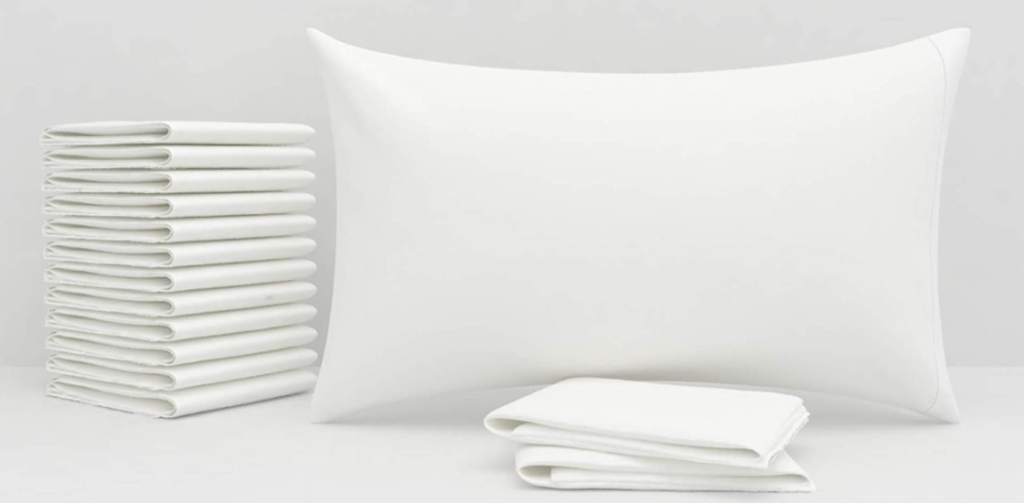
A pillowcase protector is a zippered or closure-fitted inner cover placed directly over a pillow, worn underneath the decorative pillowcase a guest actually touches. It blocks sweat, body oils, skin cells, and spills from reaching the pillow core, which lets a property launder the lightweight outer pillowcase after every guest while washing the heavier protector on a much longer cycle. For hospitality buyers, that separation matters more than it sounds. Pillow cores are expensive to replace and slow to dry after commercial washing, so protecting them from daily wear directly affects both guest hygiene standards and a property’s linen budget. This guide covers how protectors work, which materials and closures fit different hospitality needs, and how to buy them at bulk quantities without running into fabric or fulfillment inconsistencies. What Does a Pillow Protector Actually Do? A pillow protector’s job is to sit between the pillow core and the pillowcase, sealing out moisture, oils, and dust before they can soak into the filling. Once fluids or oils reach a pillow’s core, only a full commercial wash can remove them, and repeated heavy washing shortens the life of the fill material itself. Pillowcase vs. pillow protector: what each layer actually does Function Pillowcase Pillow Protector Touches the guest’s face Yes, directly No, stays hidden underneath Primary job Softness and presentation Barrier against sweat, oils, and spills Wash frequency After every guest stay Monthly, quarterly, or during deep cleans Closure Open-ended or simple hem Zippered or fully enclosed Why this separation matters for a hospitality operation: Hygiene control. Sweat, skin oils, and spills get trapped at the protector layer instead of working into the pillow filling, where a standard wash cycle can’t fully reach. Cost control. Replacing a protector is far cheaper than replacing a pillow, so protectors reduce how often pillow cores need to be swapped out entirely. Lighter laundry loads. Protectors are lighter and dry faster than saturated pillow cores, which reduces strain on commercial laundry equipment during high-occupancy periods. Choosing the Right Material for Hotel Pillow Protectors The right protector material depends on whether a property prioritizes industrial wash durability or a softer feel for guests who might notice the layer beneath their pillowcase. Most hospitality buyers choose between polycotton blends and 100% cotton, with the decision usually coming down to laundry volume and budget. Material Best For Trade-off Polycotton blend High-volume properties running frequent industrial wash cycles More durable under repeated heavy washing, less breathable than pure cotton 100% cotton Properties emphasizing guest comfort and a natural feel Softer and more breathable, generally needs gentler laundering to maintain lifespan Waterproof or fluid-resistant linings are also worth considering for properties that want extra protection against spills, particularly in rooms with higher turnover or guests likely to eat or drink in bed. A waterproof lining adds a barrier layer but can affect breathability, so it’s worth weighing against guest comfort expectations for the property’s tier. Closure Styles: Zippered vs. French-Fold Hood The closure style on a pillow protector affects both how well it seals against allergens and how quickly housekeeping staff can change it between stays. The two most common styles in hospitality settings are zippered closures and French-fold (envelope-style) hoods. Zippered closures: Fully enclose the pillow, sealing all sides against dust mites and allergens Best choice for properties emphasizing hypoallergenic bedding programs Look for rust-proof zippers, since standard metal zippers can corrode after repeated industrial washing French-fold hoods: An open-ended, envelope-style closure that slips over the pillow without a zipper Faster for housekeeping staff to change during quick turnovers Less sealed than a zippered style, so slightly less effective against fine dust and allergens Properties running a high-turnover, budget-conscious operation often lean toward French-fold styles for speed, while properties marketing wellness or allergy-friendly stays tend to prioritize zippered protectors for the more complete seal. King Size Pillow Case Covers: What’s Different King size pillow case covers need to match the larger standard king pillow dimensions used across most North American hospitality properties, and buying mismatched sizing across a property’s inventory creates a visible inconsistency guests notice quickly. Confirming exact dimensions against your property’s actual pillow stock, rather than assuming a single “king” standard fits every pillow brand, prevents a mismatch once a bulk order arrives. When ordering king pillow case covers or protectors in bulk, confirm: Exact pillow dimensions currently in use across the property (king sizing can vary slightly between pillow manufacturers) Whether the property needs a uniform closure style across all rooms, or a mix based on room tier Fabric weight and feel consistency across the full order, especially when replenishing an existing inventory rather than starting fresh How Northern Linens’ Team Handles This A common issue hospitality buyers run into with bulk linen orders is a mismatch between what was ordered and what actually arrives, whether that’s a sizing inconsistency or a fabric batch that feels slightly different from a previous shipment. Northern Linens’ Production & Manufacturing team runs in-house quality checks before every shipment, and products are batch-tested so a hotel group reordering king pillow case covers months later gets a consistent match to what’s already in their inventory. For buyers who need something outside a standard catalog size or fabric weight, the Private Label & Custom Development team can work through SKU-level customization with flexible MOQs, so a property isn’t forced to over-order just to meet a minimum. This is designed to give hospitality buyers a dependable restocking cycle instead of guessing whether the next bulk order will actually match what’s already on the shelves. Waterproof and Hypoallergenic Options: Do Hotels Need Them? Waterproof and hypoallergenic pillow protectors solve two different problems, and a property doesn’t necessarily need both on every bed. Waterproofing addresses spills and fluid protection, while hypoallergenic construction addresses dust mites and allergens, so matching the feature to the actual risk keeps a property from over-specifying (and overpaying for) protection it doesn’t need everywhere. When waterproof protectors make sense: Rooms with higher guest turnover where spills are more likely Properties

How to Choose a Premium Bath Set: The GSM, Cotton, and Certification Facts That Actually Matter
Bedding

How to Choose a Premium Bath Set: The GSM, Cotton, and Certification Facts That Actually Matter

A premium bath set is worth the extra cost when its GSM weight, cotton staple length, and safety certification are backed by documentation — not just a soft feel in the store. This guide breaks down exactly what to check before buying, why some “luxury” towels thin out within a few months, and how to tell a genuinely well-made bath set from one that just looks the part on a shelf. You touch a towel twice a day, every day, for years. That’s more physical contact than almost any other textile in your home gets — more than your sheets, more than your clothes. Yet most people choose a bath towel on colour and price alone, then wonder why it’s rough and thin within six months. The difference between that towel and one that gets softer with age comes down to three measurable things: fabric weight, fibre quality, and how the fabric was finished. If you want the full breakdown of how these two metrics relate, see this thread count vs GSM guide. What Does “Premium” Actually Mean for a Bath Towel? A bath towel earns the word “premium” when it’s heavier per square metre, made from longer cotton fibres, and certified free of harmful finishing chemicals — three facts you can ask any retailer to confirm. Everything else (thread count claims, packaging, brand name) is secondary to these three. For a broader look at what separates entry-level from top-tier ranges, this luxury bath sets guide covers the full spectrum. Quick comparison — what separates the tiers: Quality tier Typical GSM Fibre Feel after 6 months Budget 300–400 Short-staple cotton blend Thin, prone to pilling Mid-range 400–550 Standard cotton Holds up reasonably, some pilling Premium 600–900 Long-staple (often Egyptian or Turkish) cotton Softer than day one, minimal pilling GSM Explained: Why This Number Predicts How a Towel Will Feel and Perform GSM stands for grams per square metre, and it’s the closest thing the towel industry has to a single reliable quality score. The higher the GSM, the denser the loop pile, and the more water the towel can absorb per square centimetre. Here’s the practical range to know: Under 400 GSM: thin, quick-drying, but limited absorbency — common in budget hotel and economy retail towels 400–550 GSM: a reasonable everyday towel, adequate absorbency, moderate weight 600–900 GSM: dense, plush, and substantial — the range associated with luxury hotel bath linen and genuinely premium retail sets A word of caution worth knowing before you shop: GSM figures printed on packaging are usually self-reported by the manufacturer and aren’t independently audited in most retail contexts. A high GSM number paired with poor fibre quality can still pill and thin — GSM tells you about density, not necessarily about how the yarn was spun or twisted. Treat it as one strong signal among several, not the only one. Buyers comparing hotel-grade specifications in depth may also find this hotel bedding buying guide useful. Cotton Quality: Why Fibre Length Matters More Than the Word “Cotton” Alone Long-staple cotton varieties — including Egyptian and Turkish cotton — produce noticeably more durable towels than short-staple cotton, because longer fibres leave fewer loose ends exposed in the loop pile. Fewer exposed ends means less pilling, less surface roughness, and a towel that tends to soften with washing rather than degrade. This is the part most shoppers miss: “100% cotton” on a label tells you almost nothing about durability on its own. Two towels can both be 100% cotton and behave completely differently after a month of use, because the fibre length and the yarn twist are what actually determine how the loop pile holds up. The same fibre-length principle applies to bedding, as explained in this percale sheets buying guide. What to look for on a label or product description: Fibre type named specifically (Egyptian cotton, Turkish cotton, Supima, or long-staple cotton) rather than just “cotton” GSM stated as a number, not just a vague word like “heavyweight” A finishing or certification claim you can independently verify (see below) OEKO-TEX Certification: What It Covers and Why It’s Worth Checking for a Daily-Use Product OEKO-TEX Standard 100 certification means every component of the textile — the raw fibre, the dyes, and the finishing chemicals — has been independently tested against a defined list of substances and found free of them. For a product that sits directly on skin twice a day, that’s a meaningfully different guarantee than a marketing claim of “eco-friendly” or “natural.” Here’s why this matters in practice: many conventional towels are treated with synthetic softening agents and optical brighteners at the factory. These make the towel feel exceptionally soft on day one — often softer than a genuinely well-made towel — and then wash out within the first several launderings, leaving a rougher, thinner-feeling towel behind. A certified, uncoated fabric doesn’t have that artificial peak; instead, it tends to improve gradually with washing as the natural fibres relax. How to verify a certification claim, rather than just trusting a logo on the box: Ask for the specific certificate number Check that number against the OEKO-TEX Standard 100 public database Confirm the certificate applies to the actual product line you’re buying, since certification is issued per product and per factory, not as a blanket brand claim What a Complete Bath Set Should Include A properly structured bath set covers every drying need in a bathroom with pieces sized for their specific function, not just matching colours bundled together. Shoppers comparing full range options across piece counts and coordinated colourways may find this luxury bath sets Canada guide a helpful companion. Piece Typical size Main use Bath sheet ~100 x 150 cm Full-body wrap, highest weight in the set Bath towel ~70 x 140 cm Everyday post-shower drying Hand towel ~50 x 90 cm Bathroom hand-drying, vanity use Face cloth ~30 x 30 cm Facial cleansing, skincare routines Bath mat Varies Completes the coordinated set Buying a set rather than individual pieces from different sources

Zippered vs Envelope-Style Pillowcases: Which Closure Holds Up Best in Commercial Laundering
Bedding

Zippered vs Envelope-Style Pillowcases: Which Closure Holds Up Best in Commercial Laundering

For standard hospitality pillowcases run through commercial laundering cycles, envelope-style closures generally hold up better than zippered ones. They have no hardware to warp, jam, or catch, which means fewer rejected pieces and faster processing for laundry staff. For protective or allergy-barrier pillow covers, where full encasement is the actual job of the product, a well-built zippered closure is still the right choice, even though it carries a higher failure risk than an open-end style. The right answer depends on what the pillowcase is actually for, not which closure sounds more secure. This guide breaks down how each closure performs under real commercial laundering conditions, where each one makes sense, and how Northern Linens builds both closure types to hold up at wholesale volume. What Is the Difference Between Zippered and Envelope-Style Pillowcases? A zippered pillowcase fully encloses the pillow with a zipper running along one edge, while an envelope-style pillowcase uses an open, overlapping fold with no hardware at all. Zippered closure: a continuous zipper seals the opening completely, creating a fully enclosed barrier around the pillow Envelope closure: the fabric folds over itself at the open end, holding the pillow in place through overlap and fabric tension rather than a mechanical seal The core tradeoff is security versus durability. A zipper creates a tighter seal but introduces a mechanical part that can fail. An envelope closure has nothing to fail, but it does not fully seal the opening the way a zipper does. Why Envelope-Style Closures Often Win in Commercial Laundering Envelope-style closures tend to outperform zippered ones in high-volume commercial laundering because they have no hardware that can warp, jam, or tear fabric during industrial wash and dry cycles. The main reasons envelope closures hold up better include: No hardware failure: zippers can warp or bend under the high heat used in commercial drying, while an envelope closure has nothing to break Less fabric damage: metal zipper teeth can catch on other linens inside an industrial washer, causing rips or pulls across a whole load, not just the one pillowcase Faster processing: housekeeping and laundry staff can strip and restuff envelope-style cases quickly, without working around a stuck or misaligned zipper Smoother ironing: flatwork ironers pass over envelope-style flaps without snagging, while zipper pulls and teeth can catch on pressing rollers The drawback of zippers in high-volume settings comes down to failure rate. A single broken or misaligned zipper can take an entire pillowcase out of rotation, and repairing zippers is rarely worth the labour cost for a commercial laundry operation. Where Zippered Closures Are Still the Right Choice Zippered closures are still the right choice whenever a pillowcase’s actual job is full encasement, such as pillow protectors and allergy-barrier covers, where an open seam would defeat the product’s purpose. Zippered closures make sense when: The product needs to fully seal the pillow, as with allergen barriers, waterproof protectors, or fluid-resistant covers used in healthcare settings Security matters more than laundering speed, such as decorative pillow covers that are not run through the same high-volume commercial cycle as bed linens The buyer needs a tailored, structured fit, since a zipper holds its shape more consistently than an envelope fold In these cases, the higher failure risk of a zipper is a tradeoff worth making, because an envelope closure simply cannot provide the sealed barrier the product needs to do its job. Zippered vs Envelope Closures: Side-by-Side Comparison Factor Zippered Closure Envelope Closure Seal quality Fully sealed, no gap Open-end, no full seal Commercial wash durability Lower, hardware can warp or jam Higher, no hardware to fail Processing speed for laundry staff Slower, requires unzipping and re-zipping Faster, quick strip and restuff Ironing compatibility Zipper pulls can snag flatwork ironers Smooth pass-through Best use case Protective covers, allergy barriers, decorative pieces Standard hospitality pillowcases in high-volume rotation Failure mode Broken or misaligned zipper takes the piece out of rotation Gradual fabric wear, no sudden hardware failure How Closure Choice Affects Total Cost of Ownership The cheaper closure on paper is not always the cheaper option in practice, since a high zipper failure rate in a commercial laundry setting drives up both replacement cost and staff time. For a hotel, healthcare facility, or distributor ordering at wholesale volume, the real cost comparison includes: Replacement frequency: a zippered pillowcase with a lower-quality zipper may need replacing sooner than an envelope-style piece in the same rotation Labour time: staff spend more time working around stuck or misaligned zippers than they do with envelope-style cases Rejection rate: laundry operations often pull a zippered piece from rotation the moment the zipper fails, even if the fabric itself is still usable This is why the right closure choice depends on matching the product to its actual use case, not defaulting to one closure type across an entire order. [INTERNAL LINK: suggested anchor text “pillow protectors and inserts”] Choosing the Right Closure by Product Type Different product types in a bedding program justify different closure choices, since a standard hospitality pillowcase and a healthcare allergy-barrier cover are not solving the same problem. Product Type Recommended Closure Why Standard hotel or hospitality pillowcase Envelope Runs through high-volume commercial laundering, benefits from speed and hardware-free durability Pillow protector or allergy-barrier cover Zippered Needs full encasement to actually block allergens, dust mites, or fluids Decorative or throw pillow cover Zippered Lower laundering frequency, benefits from a tailored, secure fit Healthcare or institutional protective cover Zippered, reinforced Full seal is a functional requirement, not a preference Short-term rental bedding Envelope Frequent turnover benefits from fast strip and restuff processing How Northern Linens’ Team Handles This Our Production & Manufacturing team specifies closure type by product line rather than applying one standard across every SKU. Standard hospitality pillowcases are built with reinforced envelope closures designed for high-volume commercial laundering, while our protector and allergy-barrier lines use reinforced, rust-resistant zippers built to hold up under the repeated washing these products are designed for. Our Quality Control team batch-tests both closure

Bamboo Pillowcases: Sustainable, Cooling Bedding for Eco-Conscious Hotels
Bedding

Bamboo Pillowcases: Sustainable, Cooling Bedding for Eco-Conscious Hotels

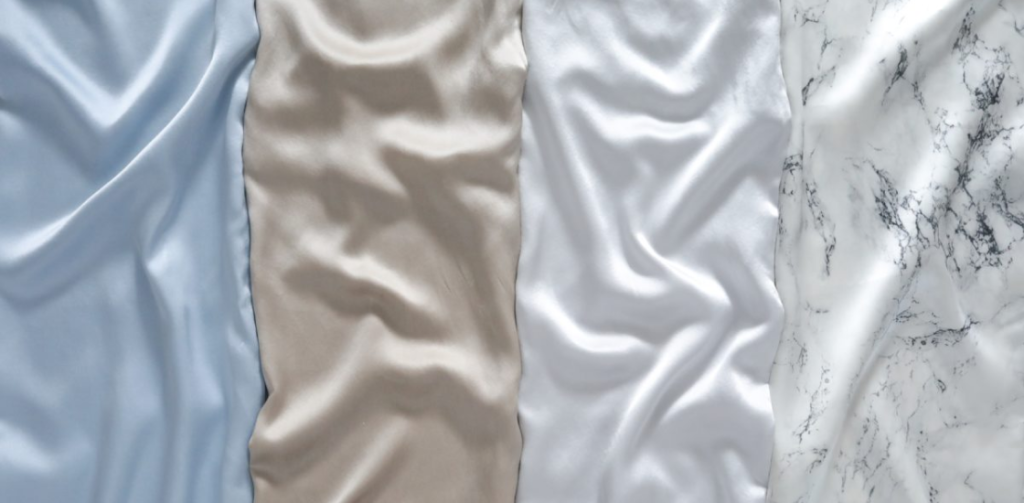
Bamboo pillowcases give eco-conscious hotels a sustainable, breathable, and silky-soft bedding option that appeals to guests looking for a cleaner, more comfortable stay. Made from bamboo viscose or lyocell fibers, they naturally regulate temperature, resist allergens, and hold up well under the repeated commercial laundering hotels depend on. For procurement teams and hospitality operators, bamboo pillowcases are no longer a niche upgrade. They sit at the intersection of two things guests increasingly notice: sustainability credentials and genuine sleep comfort. This guide covers what makes bamboo fabric work for hotel bedding programs, what to look for when sourcing at scale, and how to avoid the sourcing pitfalls that trip up first-time bulk buyers. What Are Bamboo Pillowcases Made From? Bamboo pillowcases are made by processing bamboo pulp into a soft, spinnable fiber, most commonly through a viscose or lyocell method. The resulting fabric is woven or knit into pillowcases that feel closer to silk or high-thread-count cotton than to raw bamboo material. There are two common processing methods buyers should understand before sourcing: Process How It Works What It Means for Buyers Bamboo viscose (rayon) Bamboo pulp is dissolved with chemical solvents and re-spun into fiber Softer feel, widely available, quality depends heavily on supplier processing standards Bamboo lyocell Uses a closed-loop process that recovers and reuses solvents Generally considered a lower-impact process, often marketed as the more sustainable option Both processes start with bamboo, a fast-growing plant that requires less irrigation than cotton. But the finished fabric’s environmental footprint depends heavily on how the manufacturer processes it, which is why sourcing from a supplier with verifiable certifications matters more than the word “bamboo” on a label. [INTERNAL LINK: suggested anchor text “pillowcases and pillows”] Why Bamboo Pillowcases Suit Eco-Conscious Hotels Hotels choosing bamboo pillowcases are typically solving for two things at once: guest comfort and a genuine sustainability story they can back up. Bamboo fabric addresses both. Temperature Regulation Bamboo fibers have a naturally porous structure that allows air to move through the fabric more freely than tightly woven synthetic materials. This gives the fabric a cooling feel against the skin, which matters for hotel guests who run warm at night or are sleeping in an unfamiliar room. Moisture-Wicking Performance Bamboo fabric absorbs and releases moisture efficiently, helping pull perspiration away from the skin rather than trapping it against the pillowcase surface. This is one of the more consistently cited comfort benefits among hospitality buyers moving away from standard polyester-cotton blends. Hypoallergenic Properties Bamboo fiber naturally resists dust mites and mold more effectively than many conventional fabrics, which can matter for guests with sensitive skin or mild allergies. For hotels marketing a wellness-focused or allergy-conscious stay, this is a meaningful differentiator worth calling out in guest-facing materials. Hair and Skin Friendliness The smooth, rounded structure of bamboo fibers creates less friction against skin and hair than rougher-woven fabrics. This translates into fewer sleep creases and less hair frizz, a small but noticeable detail guests associate with higher-end bedding. Durability Under Commercial Laundering Hotel bedding goes through far more wash cycles than a household product, so durability under repeated commercial laundering is a real sourcing concern, not a marketing detail. Bamboo fabric, when properly processed and cared for, holds up reasonably well over time, though this depends heavily on fabric quality and laundering practices, so buyers should confirm expected performance with their supplier rather than assume it applies universally across all bamboo products. Sustainability Value of Bamboo as a Bedding Material Bamboo’s sustainability case starts with the raw plant itself. Bamboo grows quickly and typically requires less irrigation and fewer pesticides than cotton, which is one of the reasons it has become a common alternative fiber in eco-focused product lines. That said, sustainability claims for bamboo bedding depend heavily on how the fiber is processed, not just where it is grown. Buyers evaluating bamboo pillowcases for a hotel program should look for: Closed-loop processing. Lyocell-style methods that recover and reuse water and chemical solvents rather than releasing them as waste. Third-party certification. Look for OEKO-TEX certification, which verifies that a textile has been tested for harmful substances, rather than relying on unverified sustainability language on a product page. Supply chain transparency. A supplier that can explain its sourcing and processing steps directly, rather than only pointing to general claims about bamboo as a plant. How Northern Linens’ Team Handles This Our Production and Manufacturing team sources bamboo fabric through processes designed to reduce supply chain waste, and our products carry OEKO-TEX certification as currently held. Rather than relying on general claims about bamboo as a sustainable plant, our Quality Control team runs batch testing before shipment, so hotel buyers are working from verified fabric standards instead of marketing language alone. What Hotel Buyers Should Check Before Sourcing Bamboo Pillowcases in Bulk Sourcing bamboo bedding for a single hotel is different from sourcing it for a portfolio of properties. Bulk buyers should confirm the following before committing to a supplier. Fiber processing method. Ask whether the fabric is bamboo viscose or lyocell, since this affects both feel and environmental impact. Certification documentation. Request proof of OEKO-TEX or equivalent certification rather than accepting a general sustainability claim. Minimum order quantities. Confirm whether the supplier can accommodate your property’s actual order size, especially for smaller boutique properties that may not need large-scale MOQs. Private label options. If branding matters to your guest experience, ask whether the supplier offers private label or custom packaging. Batch consistency. Ask how the supplier prevents color or texture variation between production runs, since inconsistent batches are one of the most common complaints among hospitality buyers sourcing fabric at scale. Regional fulfillment. For multi-property groups, confirm whether the supplier can fulfill orders regionally to avoid long shipping delays between restocking cycles. How Northern Linens’ Team Handles This Our Wholesale Account Management team works directly with hospitality buyers to match order size to actual property needs, rather than pushing a fixed MOQ regardless of scale. Warehousing in Canada and the

Cooling Pillowcases for Hotels: Improving Guest Comfort & Reviews
Bedding

Cooling Pillowcases for Hotels: Improving Guest Comfort & Reviews

Cooling pillowcases help hotels reduce guest overheating, improve sleep quality, and lower the risk of negative reviews tied to a hot, uncomfortable night. Fabrics like bamboo viscose, Tencel/lyocell, and certain performance synthetic weaves pull heat and moisture away from the body, giving guests an immediate sense of comfort that standard cotton pillowcases often cannot match. For hotel procurement teams, cooling bedding is not just a comfort upgrade, it is a review management tool. A single bad night’s sleep is one of the more common triggers for a critical online review, and pillowcase temperature plays a bigger role in that than most operators expect. This guide breaks down which materials actually deliver cooling performance, what to check before sourcing at scale, and how to introduce cooling bedding without disrupting housekeeping operations. Why Cooling Pillowcases Matter for Guest Reviews Overheating during sleep is one of the most common causes of restless, interrupted rest, and guests rarely separate that discomfort from their overall impression of a property. A hot, sticky night is far more likely to show up in a written review than a merely average one. Direct impact on sleep quality. Guests who overheat wake more often during the night, which affects how rested they feel the next morning and how they remember the stay. Review triggers. Standard bedding rarely earns a compliment, but a hot night is memorable in the wrong way. This makes bedding temperature an asymmetric risk: it can quietly hurt reviews, but rarely helps them unless it’s genuinely noticeable. Perceived value at check-in. A cool-to-the-touch pillowcase creates an immediate physical impression of cleanliness and quality the moment a guest gets into bed, before they have evaluated anything else about the room. Top Cooling Materials for Hospitality Bedding Not all “cooling” claims on a product label mean the same thing. Here is how the main fiber categories compare for hospitality use. Material How It Cools Feel Best Fit Bamboo viscose Naturally porous fiber structure promotes airflow and moisture-wicking Soft, smooth, gentle on skin Eco-focused or wellness-branded properties Tencel / lyocell Highly absorbent fiber that regulates temperature through moisture management Exceptionally smooth, silk-like Properties wanting both sustainability and performance Performance synthetic weaves Engineered fiber structure conducts heat away from the body Cool to the touch, often stretch-knit Properties prioritizing consistent cool-to-touch feel across all room tiers Bamboo Viscose Bamboo viscose fiber has a naturally porous structure that allows air to move through the fabric, combined with strong moisture-wicking performance that pulls sweat away from the skin. It is a common choice for hotels building a wellness or eco-conscious guest experience alongside cooling performance. Tencel and Lyocell Tencel and lyocell fibers are known for high absorbency and a notably smooth hand-feel, which together support effective temperature regulation. These fibers are processed using methods that recover and reuse water and solvents, making them a frequent pick for hotels balancing sustainability claims with guest comfort. Performance Synthetic Weaves Some cooling pillowcases use engineered synthetic blends, often nylon-spandex or similarly constructed weaves, designed to conduct heat away from the body continuously rather than relying on a temporary cool-to-touch sensation. These fabrics can offer very consistent performance across large room inventories, though buyers should confirm durability under repeated commercial laundering before committing to a full property rollout. [INTERNAL LINK: suggested anchor text “pillowcases and pillows”] Operational Considerations for Hotel Buyers Cooling performance is only part of the sourcing decision. Hotels also need to weigh how a fabric performs under the operational demands of a working property. Durability Under Commercial Laundering Commercial laundering uses higher heat and more aggressive cycles than household washing, which can affect a fabric’s cooling properties over time. Buyers should confirm with any supplier whether a cooling fabric is rated to withstand high-heat commercial drying without losing its tactile cooling performance, rather than assuming retail-grade claims translate directly to hotel-scale use. Stain and Oil Resistance Facial oils and night creams are a routine part of hotel laundering, and some synthetic cooling blends resist these better than traditional silk, which can stain and degrade more easily under repeated washing. This is a practical factor worth weighing alongside cooling performance, especially for higher-turnover room tiers. Housekeeping Efficiency Closure style affects how quickly housekeeping staff can turn over a room. Envelope-closure pillowcase designs, which avoid buttons or loose folds, are generally faster to fit than styles with more complex closures, which can add up across a property with a high volume of daily turnovers. How Northern Linens’ Team Handles This Our Production and Manufacturing team sources cooling fabrics with commercial laundering demands built into the evaluation, not just retail comfort claims. Our Quality Control team runs batch testing before shipment, so hotel buyers are working from fabric that has been checked for consistency rather than relying on a single sample to represent an entire order. Cooling Pillowcase Fabric Comparison Use this table to weigh material choice against your property’s priorities. Priority Best Material Match Eco-conscious guest positioning Bamboo viscose or Tencel/lyocell Consistent cool-to-touch feel across large inventories Performance synthetic weaves Sensitive skin or allergy-conscious guests Bamboo viscose (naturally hypoallergenic) High-turnover, high-volume laundering Performance synthetic weaves or Tencel/lyocell Luxury, natural-fiber guest experience Bamboo viscose or Tencel/lyocell No single fabric wins on every priority. Many properties choose one primary cooling material for standard rooms and reserve a second, higher-end option for premium room tiers. How to Introduce Cooling Pillowcases Without Disrupting Operations Switching a property’s entire pillowcase inventory at once is rarely necessary, and testing performance before a full rollout reduces the risk of an unpopular or poorly performing choice reaching every guest room. Pilot in a limited room set. Test the fabric in a specific room tier or building wing before committing to a full property changeover. Run it through your actual laundry process. Commercial laundering conditions vary by property, so confirm durability and cooling retention using your own equipment and detergents rather than relying on manufacturer claims alone. Collect direct guest feedback. Use post-stay surveys or front desk feedback to gauge whether guests notice

Linen & Flannel Pillowcases: Seasonal Fabric Options for Hospitality Bedding Programs
Bedding

Linen & Flannel Pillowcases: Seasonal Fabric Options for Hospitality Bedding Programs

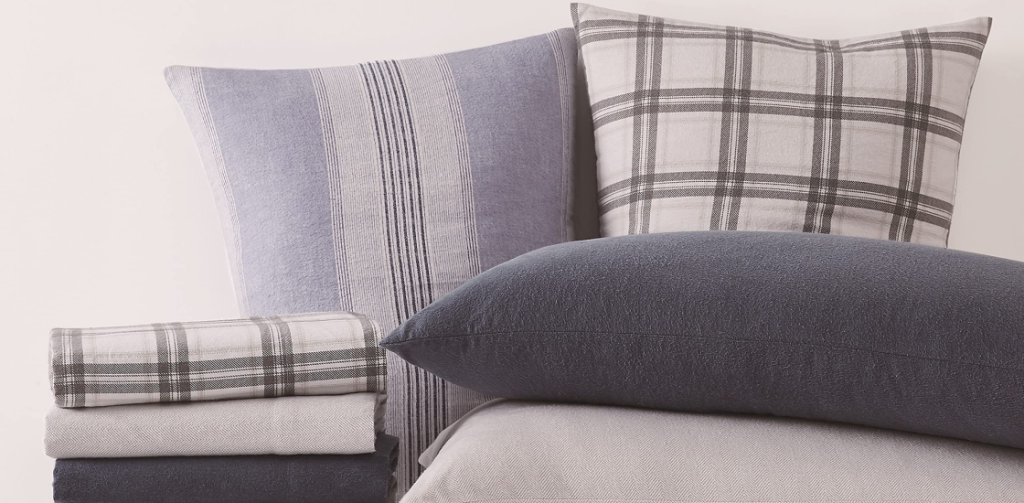
Linen and flannel pillowcases give hospitality bedding programs a way to match guest comfort to the season, with linen offering breathable, moisture-wicking cooling for warm months and flannel providing brushed, insulating warmth for cold weather. Rotating between the two, rather than running one fabric year-round, is a common approach for properties that experience meaningful seasonal temperature swings. For hotel operations teams and procurement managers, seasonal fabric rotation is less about novelty and more about guest comfort and linen longevity. This guide breaks down what each fabric offers, how to plan a rotation without disrupting operations, and what to check before sourcing either fabric in bulk. Linen Pillowcases: What They Are and How They Perform Linen pillowcases are made from flax fibers, giving the fabric a naturally breathable, moisture-wicking structure that suits warm-weather use. The fabric has a crisp, textured feel when new and softens noticeably with repeated washing, which is part of why guests often associate it with a relaxed, elevated aesthetic. Linen Properties and Performance Attribute Detail Fiber source Flax plant stalks Breathability High, promotes active airflow Hand-feel Crisp initially, softens with industrial washing Aesthetic Relaxed, textured, suited to boutique and luxury properties Hypoallergenic properties Naturally resists dust mites and common allergens Durability Generally stronger fiber than standard cotton Maintenance Requires careful laundering to manage wrinkling and preserve fiber strength Linen’s biggest advantage in hospitality settings is temperature regulation. The fiber structure allows air to move through the fabric more freely than tighter weaves, which keeps the pillowcase surface cooler against the skin during warm months. This makes linen a strong fit for warm-climate properties or seasonal summer programs in temperate regions. The tradeoff is maintenance. Linen wrinkles more visibly than cotton or synthetic blends, and commercial laundering at scale can accelerate fiber wear if wash cycles are not managed carefully. [INTERNAL LINK: suggested anchor text “pillowcases and pillows”] Flannel Pillowcases: What They Are and How They Perform Flannel pillowcases are made from brushed cotton, a construction process that raises short fibers on the fabric surface to trap ambient body heat. This gives flannel its signature plush, warm feel, making it a natural fit for cold-weather bedding programs. Flannel Properties and Performance Attribute Detail Fiber source Brushed cotton Warmth Traps ambient body heat for a warmer sleep surface Hand-feel Plush, fuzzy, warm against the skin Aesthetic Cozy, inviting, suited to mountain lodges, ski properties, and winter cabins Durability concern Prone to pilling over repeated wash cycles Maintenance Requires gentler commercial wash cycles than standard cotton Flannel’s main strength is guest comfort in cold-weather settings. Properties in mountain, ski, or northern climates often see flannel bedding as part of the seasonal experience guests expect, not just a functional upgrade. The tradeoff is pilling. Flannel’s brushed surface is more prone to small fiber balls forming after repeated commercial washing, which affects appearance over time and typically shortens the fabric’s usable life compared to more tightly woven materials. [INTERNAL LINK: suggested anchor text “blankets and throws”] Linen vs Flannel: Choosing the Right Fabric by Season and Property Type Neither fabric is a universal answer. The right choice depends on climate, property type, and guest expectations. Factor Linen Flannel Best season Warm weather Cold weather Best property type Boutique, luxury, warm-climate hotels Mountain lodges, ski resorts, winter cabins Guest experience Relaxed, breathable, elevated feel Cozy, warm, inviting feel Laundering demands Careful handling to reduce wrinkling and fiber wear Gentle cycles to reduce pilling Typical use case Year-round in warm climates, or seasonal summer rotation Seasonal winter rotation, or year-round in cold climates Properties in climates with distinct seasons often see the most value in stocking both fabrics and rotating inventory rather than committing to one year-round. How to Plan a Seasonal Fabric Rotation A seasonal rotation program works best when it is planned around a set schedule rather than reacting to weather changes as they happen. Here is a straightforward approach hospitality buyers can follow. Set a rotation schedule. Most properties swap inventory on a bi-annual basis, timed to local climate shifts rather than a fixed calendar date. Confirm storage conditions. Off-season stock should be stored in a climate-controlled, pest-free linen room to prevent fiber damage or moisture buildup. Stagger the changeover. Rotate a portion of guest rooms at a time rather than switching an entire property’s inventory in a single day, which reduces the operational disruption of a full changeover. Track wear by season. Since linen and flannel have different durability concerns, log wear patterns separately so replacement timing is based on the fabric’s actual performance rather than a single blended estimate. Communicate with housekeeping and laundry teams. Seasonal fabrics often require different wash settings, so operations staff need clear guidance before the changeover, not after issues appear. How Northern Linens’ Team Handles This Our Warehousing and Distribution team is set up to support seasonal restocking cycles, so hotel groups planning a bi-annual rotation are not left waiting on a single large order to cover both seasons. Our Wholesale Account Management team can help plan order timing around a property’s actual seasonal shift, and our Quality Control team runs batch testing before shipment so linen and flannel inventory arrives consistent from one rotation to the next. Durability Strategies for Commercial Laundering Both linen and flannel face specific wear challenges under the repeated wash cycles hotel laundering requires. A few strategies help extend the usable life of each fabric. For linen: Use cooler wash temperatures and avoid high-heat drying, which accelerates fiber breakdown Consider a linen-cotton blend to reduce severe wrinkling in commercial laundry settings Separate linen from rougher fabrics during washing to reduce abrasion For flannel: Use gentler wash cycles to reduce pilling Avoid overloading washers, since crowding increases fabric-on-fabric friction Inspect for early pilling signs during regular linen audits, rather than waiting for guest complaints How Northern Linens’ Team Handles This Our Production and Manufacturing team sources fabric with commercial laundering demands in mind, rather than optimizing purely for a retail hand-feel that may not hold up to hotel-scale wash

Cotton Pillowcases for Commercial Use: Durability & Bulk Sourcing Guide
Bedding

Cotton Pillowcases for Commercial Use: Durability & Bulk Sourcing Guide

Cotton pillowcases for commercial use hold up best when sourced as a cotton-polyester blend, typically 60/40 or 55/45, woven in a T180 to T200 percale finish. This combination resists wrinkling, dries faster than pure cotton, and survives hundreds of industrial wash cycles without breaking down. Pure 100% cotton is still an option for upscale hospitality programs willing to pay for a softer hand-feel, but it requires more careful laundering to match the same lifespan. This guide walks through the fabric decisions, thread count ratings, construction details, and bulk purchasing steps that matter most for hotels, healthcare facilities, short-term rentals, and retailers sourcing cotton pillow cases at scale. Cotton Pillow Case vs Polyester Blend: What’s Better for Commercial Use? A cotton-polyester blend outperforms both pure cotton and pure polyester for most commercial laundering environments. It keeps enough natural cotton fiber to feel breathable and soft against skin, while the polyester content resists shrinking, wrinkling, and fiber breakdown under repeated high-heat industrial washing. Pure 100% cotton pillow cases offer the softest feel and the most breathable surface, which makes them attractive for boutique hotels or spa properties positioning comfort as a selling point. The tradeoff is that pure cotton wrinkles more, shrinks more over repeated washing, and needs more careful handling to hit the same wash-cycle count as a blend. Pure polyester pillowcases resist wrinkling and shrinking almost completely, but they trade away the breathability and soft hand-feel that guests associate with quality bedding, and many hospitality buyers avoid a 100% synthetic feel on guest-facing linens. Fabric Type Guest Comfort Wrinkle Resistance Shrink Resistance Dry Time Wash Cycle Durability 100% Cotton Highest Lower Lower Slower Moderate 60/40 or 55/45 Cotton-Poly Blend High High High Faster High 100% Polyester Lower Highest Highest Fastest Highest For most hotels, healthcare facilities, and rental property programs running daily or near-daily laundering, the 60/40 or 55/45 blend is the practical default. Pure cotton stays reserved for premium room categories where the softer feel justifies more careful care. Understanding Thread Count and T-Rating for Bulk Buyers Thread count, sometimes labeled as a T-rating on commercial spec sheets, measures how many threads are woven into one square inch of fabric. Higher thread count generally means a denser, smoother fabric, but it is not the only factor that determines durability at commercial volume. T180 to T200: The standard range for institutional and commercial hospitality use. Handles frequent, high-heat industrial washing well and holds up over hundreds of cycles. T250 to T300: A step up in feel, often chosen for upscale hospitality or premium room categories that still need to survive regular commercial laundering. T300 and above: Offers a noticeably more luxury hand-feel, typically reserved for boutique properties, suites, or retail lines where guests are paying a premium and laundering frequency is lower. Buyers should treat thread count as one input alongside fiber blend and weave type, not a standalone quality signal. A T200 cotton-poly blend built for commercial laundering will often outperform a higher thread count pure cotton product that was not engineered for industrial wash cycles. Weave Type: Why Percale Is the Commercial Standard Percale is a tight, plain weave that produces a crisp, matte finish and stays durable through repeated industrial washing, which is why it is the most common weave specified for commercial and institutional pillowcases. Percale fabric resists pilling, holds its shape through hundreds of wash-and-dry cycles, and dries faster than heavier weaves like sateen. This combination of durability and quick turnaround is exactly what high-frequency laundering operations need, whether that laundering happens in-house or through an outsourced commercial facility. Sateen is a looser weave that produces a softer, slightly glossy finish. It feels more luxurious but is generally less durable under frequent industrial washing than percale, which is why it appears more often in premium retail lines than in high-turnover hospitality programs. Construction Details That Affect Commercial Durability Fabric choice only tells half the story. Construction details determine whether a pillowcase survives mechanical sorting, high-speed pressing, and repeated laundering without tearing at the seams. Bar-tacked seams: Reinforced stitching at stress points prevents seams from splitting during mechanical handling and repeated washing. Deep side hems: A wider hem allowance reduces fraying and extends the usable life of the pillowcase through hundreds of wash cycles. Consistent stitch density: Uneven stitching is one of the most common defects that causes early seam failure, and it is usually invisible until a case has already gone through several wash cycles. These details rarely show up in a basic product listing, which is why buyers sourcing at commercial volume should request a construction spec sheet rather than relying on thread count alone. How Northern Linens’ Team Handles This Fabric blend and thread count are only useful numbers if the batch behind them is actually consistent, and that consistency is where a lot of bulk pillowcase orders run into trouble. A supplier can quote T200 percale on a spec sheet and still ship a batch with inconsistent weave density, seam stitching, or shrink rate if quality checks are not built into the production process itself. Northern Linens’ Production and Quality Control teams batch-test fabric weight, weave consistency, and seam construction before an order ships, so a reorder placed six months later matches the fabric feel, durability, and sizing of the original shipment. Our Private Label and Custom Development team works with hotel groups, healthcare buyers, and retailers who need a specific blend, weight, or branded packaging configuration, and helps translate that into a repeatable SKU rather than a one-time custom run. Because Northern Linens holds OEKO-TEX certification on qualifying product lines and operates warehouses in Canada and the USA, buyers running multi-location programs can source consistent, certified cotton and cotton-blend pillowcases from one supplier with regional fulfillment built in, rather than reconciling quality differences across multiple vendors. Standard Sizing for Commercial Pillowcases Commercial pillowcase sizing follows a few standard categories, though buyers should always confirm exact cut dimensions against their existing pillow inventory before placing a bulk order. Size Typical Flat

Silk vs Satin Pillowcases: A Wholesale Buyer's Guide for Hotels & Spas
Bedding

Silk vs Satin Pillowcases: A Wholesale Buyer’s Guide for Hotels & Spas

Silk pillowcases are made from a natural protein fiber that regulates temperature and handles gently, while satin pillowcases are a woven fabric, usually polyester, that delivers a similar smooth surface at a lower cost and with far easier commercial laundering. For hotel and spa buyers, the right choice depends on guest tier, laundering setup, and how the linen budget is split across rooms or treatment suites. This guide breaks down the material differences, the true cost of ownership for each option, and how to decide between silk and satin for your property without guessing. What Is the Difference Between Silk and Satin Pillowcases? Silk is a fiber. Satin is a weave. That single distinction explains almost every difference a wholesale buyer will run into. Silk comes from the cocoon of the silkworm, most commonly mulberry silk, and is spun into thread before being woven into fabric. It is a natural material with its own breathability, moisture handling, and hand-feel. Satin describes how a fabric is woven, not what it is made from. Most commercial satin pillowcases are woven from polyester or a poly-cotton blend, though satin can technically be woven from silk as well. This means a “silk pillowcase” and a “silk satin pillowcase” can be the same product, while a plain “satin pillowcase” sold at a low price point is almost always synthetic. Buyers sourcing in bulk need to confirm fiber content on the spec sheet, not just the marketing name on the product listing. Quick Definitions for Procurement Teams Silk pillowcase: Woven from natural silk fiber, priced and graded by momme weight. Satin pillowcase: Woven fabric structure, most often synthetic, priced by fabric weight and thread density rather than momme. Momme: The unit used to measure the density and quality of silk fabric. Higher momme generally means a heavier, more durable silk. Material and Performance Comparison The table below summarizes how silk and satin perform against the factors that matter most in a commercial or hospitality setting. Factor Silk Pillowcases Satin Pillowcases Fiber type Natural protein fiber (mulberry silk) Usually synthetic (polyester or poly blend) Breathability High; adapts to body temperature Lower; tends to trap heat and moisture Feel against skin and hair Very smooth, low friction, minimal snagging Smooth, slightly more friction than silk Typical grading Momme weight, usually 19 to 25 momme for commercial use Thread count or fabric weight Commercial laundering Requires gentle cycles, low heat, mild detergent Handles standard industrial laundering well Durability under frequent washing Moderate; degrades faster with harsh detergents High; built for repeated commercial wash cycles Hypoallergenic properties Naturally resistant to dust mites Depends on fiber; not inherently hypoallergenic Unit cost at wholesale volume Higher Lower Best guest tier Luxury suites, spa treatment rooms, premium amenity programs High-turnover rooms, mid-tier hotels, budget-conscious retail lines Breathability and Guest Comfort Guests notice temperature regulation more than almost any other bedding feature, especially in spa and wellness settings where the pillowcase is part of the treatment experience. Silk fibers naturally adjust to body heat, which helps reduce night sweating and keeps the surface feeling cool. This matters most in warm climates, heated treatment rooms, or any property marketing itself on comfort and wellness. Satin, particularly synthetic satin, does not breathe the same way. It can trap heat and moisture against the skin, which is less noticeable in a short spa treatment but becomes more relevant for overnight hotel stays, especially in warmer regions or during summer months. Durability and Commercial Laundering This is where the decision often gets made for large-scale buyers, because laundering cost and linen lifespan directly affect the total cost of ownership. Satin pillowcases are built to handle industrial washing machines, high heat, and standard detergents without breaking down quickly. This makes them the practical choice for properties doing daily turnover across dozens or hundreds of rooms. Silk pillowcases need gentler handling. Harsh detergents, high heat, and rough commercial cycles shorten their lifespan and can damage the fiber. Some properties route silk linens through a separate, lower-heat wash process or a specialty laundering partner, which adds a step to daily operations. If your laundering setup is entirely outsourced to a single industrial facility with no separate gentle-cycle option, satin will almost always hold up better across a full linen program. If you already run mixed laundering protocols, for example a boutique hotel or spa hand-washing amenity linens separately from bulk sheets, silk becomes more workable. Pricing and Bulk Acquisition Satin is the lower-cost option at every stage: raw material, manufacturing, and per-unit wholesale pricing. This makes it the default choice for high-turnover boutique hotels, budget-tier properties, and retail programs that need to stock a large volume of pillowcases without a premium price point. Silk commands a higher per-unit cost because of the raw material itself and the more careful manufacturing process required to produce consistent momme weight and finish. This cost is usually justified for: VIP suites and premium room categories Spa and wellness treatment rooms where the linen is part of the paid experience Amenity retail programs where silk pillowcases are sold directly to guests Boutique or luxury branding where the tactile guest experience is a differentiator For most properties, the real answer is not silk versus satin as an either-or decision. It is a tiered approach: satin across standard room inventory, silk reserved for premium categories where the cost is recoverable through room rate or retail margin. Decision Framework: Which Should You Order? Use this quick framework to narrow your choice before requesting a wholesale quote. What is your guest tier? Luxury wellness spa or premium suite programs lean toward silk. High-volume boutique or mid-tier hotel programs lean toward satin. What is your laundering setup? In-house commercial machines with a single wash protocol favor satin. Outsourced or mixed laundering with a gentle-cycle option opens the door to silk. Is the pillowcase part of a paid experience? Spa treatments and premium amenity retail can absorb the higher per-unit cost of silk more easily than standard room stock. How often

Scroll to Top

Get In Touch