Author name: nothernlines13205

How to Choose a Premium Bath Set: The GSM, Cotton, and Certification Facts That Actually Matter
Bedding

How to Choose a Premium Bath Set: The GSM, Cotton, and Certification Facts That Actually Matter

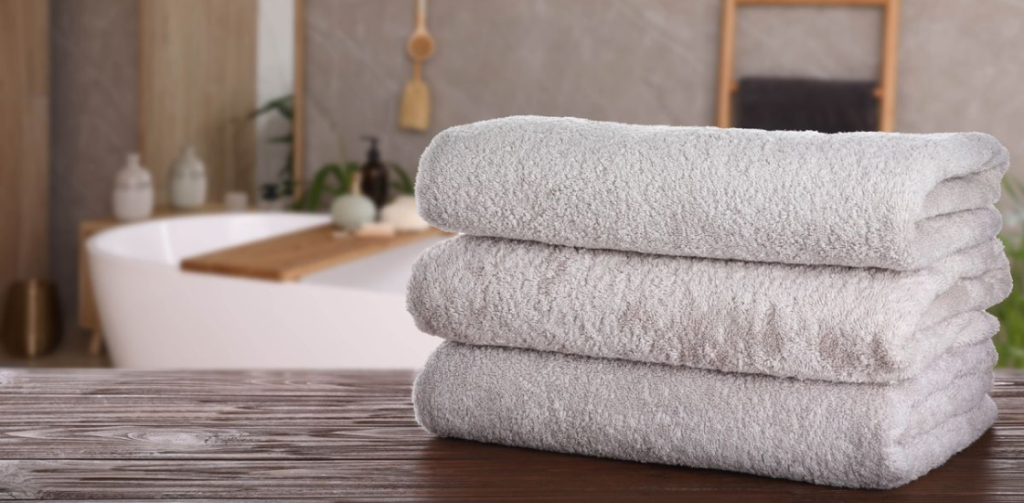
A premium bath set is worth the extra cost when its GSM weight, cotton staple length, and safety certification are backed by documentation — not just a soft feel in the store. This guide breaks down exactly what to check before buying, why some “luxury” towels thin out within a few months, and how to tell a genuinely well-made bath set from one that just looks the part on a shelf. You touch a towel twice a day, every day, for years. That’s more physical contact than almost any other textile in your home gets — more than your sheets, more than your clothes. Yet most people choose a bath towel on colour and price alone, then wonder why it’s rough and thin within six months. The difference between that towel and one that gets softer with age comes down to three measurable things: fabric weight, fibre quality, and how the fabric was finished. If you want the full breakdown of how these two metrics relate, see this thread count vs GSM guide. What Does “Premium” Actually Mean for a Bath Towel? A bath towel earns the word “premium” when it’s heavier per square metre, made from longer cotton fibres, and certified free of harmful finishing chemicals — three facts you can ask any retailer to confirm. Everything else (thread count claims, packaging, brand name) is secondary to these three. For a broader look at what separates entry-level from top-tier ranges, this luxury bath sets guide covers the full spectrum. Quick comparison — what separates the tiers: Quality tier Typical GSM Fibre Feel after 6 months Budget 300–400 Short-staple cotton blend Thin, prone to pilling Mid-range 400–550 Standard cotton Holds up reasonably, some pilling Premium 600–900 Long-staple (often Egyptian or Turkish) cotton Softer than day one, minimal pilling GSM Explained: Why This Number Predicts How a Towel Will Feel and Perform GSM stands for grams per square metre, and it’s the closest thing the towel industry has to a single reliable quality score. The higher the GSM, the denser the loop pile, and the more water the towel can absorb per square centimetre. Here’s the practical range to know: Under 400 GSM: thin, quick-drying, but limited absorbency — common in budget hotel and economy retail towels 400–550 GSM: a reasonable everyday towel, adequate absorbency, moderate weight 600–900 GSM: dense, plush, and substantial — the range associated with luxury hotel bath linen and genuinely premium retail sets A word of caution worth knowing before you shop: GSM figures printed on packaging are usually self-reported by the manufacturer and aren’t independently audited in most retail contexts. A high GSM number paired with poor fibre quality can still pill and thin — GSM tells you about density, not necessarily about how the yarn was spun or twisted. Treat it as one strong signal among several, not the only one. Buyers comparing hotel-grade specifications in depth may also find this hotel bedding buying guide useful. Cotton Quality: Why Fibre Length Matters More Than the Word “Cotton” Alone Long-staple cotton varieties — including Egyptian and Turkish cotton — produce noticeably more durable towels than short-staple cotton, because longer fibres leave fewer loose ends exposed in the loop pile. Fewer exposed ends means less pilling, less surface roughness, and a towel that tends to soften with washing rather than degrade. This is the part most shoppers miss: “100% cotton” on a label tells you almost nothing about durability on its own. Two towels can both be 100% cotton and behave completely differently after a month of use, because the fibre length and the yarn twist are what actually determine how the loop pile holds up. The same fibre-length principle applies to bedding, as explained in this percale sheets buying guide. What to look for on a label or product description: Fibre type named specifically (Egyptian cotton, Turkish cotton, Supima, or long-staple cotton) rather than just “cotton” GSM stated as a number, not just a vague word like “heavyweight” A finishing or certification claim you can independently verify (see below) OEKO-TEX Certification: What It Covers and Why It’s Worth Checking for a Daily-Use Product OEKO-TEX Standard 100 certification means every component of the textile — the raw fibre, the dyes, and the finishing chemicals — has been independently tested against a defined list of substances and found free of them. For a product that sits directly on skin twice a day, that’s a meaningfully different guarantee than a marketing claim of “eco-friendly” or “natural.” Here’s why this matters in practice: many conventional towels are treated with synthetic softening agents and optical brighteners at the factory. These make the towel feel exceptionally soft on day one — often softer than a genuinely well-made towel — and then wash out within the first several launderings, leaving a rougher, thinner-feeling towel behind. A certified, uncoated fabric doesn’t have that artificial peak; instead, it tends to improve gradually with washing as the natural fibres relax. How to verify a certification claim, rather than just trusting a logo on the box: Ask for the specific certificate number Check that number against the OEKO-TEX Standard 100 public database Confirm the certificate applies to the actual product line you’re buying, since certification is issued per product and per factory, not as a blanket brand claim What a Complete Bath Set Should Include A properly structured bath set covers every drying need in a bathroom with pieces sized for their specific function, not just matching colours bundled together. Shoppers comparing full range options across piece counts and coordinated colourways may find this luxury bath sets Canada guide a helpful companion. Piece Typical size Main use Bath sheet ~100 x 150 cm Full-body wrap, highest weight in the set Bath towel ~70 x 140 cm Everyday post-shower drying Hand towel ~50 x 90 cm Bathroom hand-drying, vanity use Face cloth ~30 x 30 cm Facial cleansing, skincare routines Bath mat Varies Completes the coordinated set Buying a set rather than individual pieces from different sources
From Factory to Finished Product: Why Northern Linens Is the Bulk Bedding Supplier Brands Trust
Bedding

From Factory to Finished Product: Why Northern Linens Is the Bulk Bedding Supplier Brands Trust

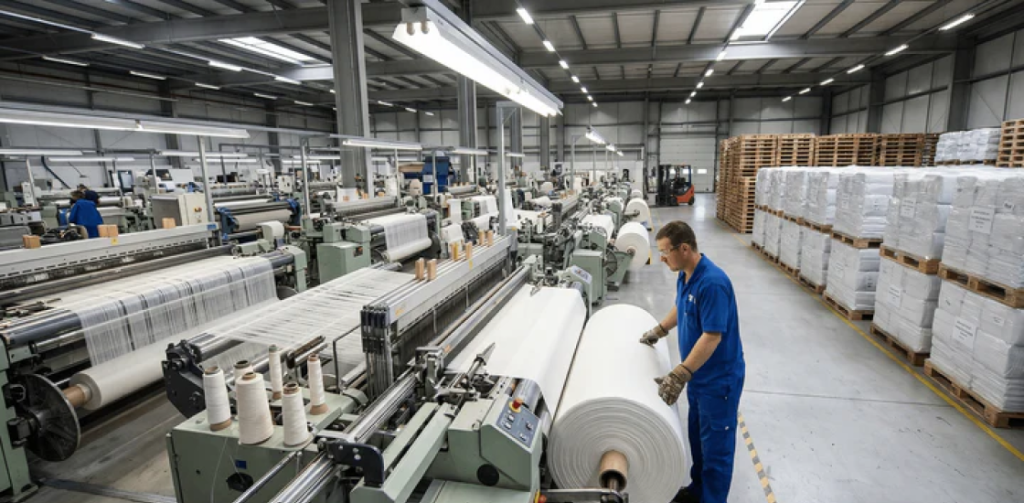
By Northern Linens | Luxury Bedding Manufacturer and Home Textiles Supplier If you source bedding at scale, you already know the pattern. A supplier’s samples look great, the pitch deck promises certifications, and then the first bulk shipment arrives with inconsistent stitching, a fabric weight that doesn’t match the sample, or a certificate that turns out to be for a different factory entirely. This gap between what’s promised and what ships is the single biggest risk in bulk textile sourcing, and it’s the problem Northern Linens was built to remove. Northern Linens is a manufacturer and bulk bedding supplier with in-house design, OEKO-TEX certified fabric sourcing, and production covering luxury bedding, cushions, blankets, and decorative home textiles. Hotels, healthcare facilities, retailers, and private label brands work with Northern Linens because the same fabric, the same certification, and the same quality checks apply whether the order is 500 units or 50,000. Manufacturer vs. Trading Company: Why the Distinction Matters A manufacturer controls production from raw fabric to finished product, so defects get caught before shipping rather than after arrival. A trading company, by contrast, sources from multiple third-party factories and has limited visibility into how any single order was actually made. That difference sounds abstract until something goes wrong. If a trading company’s supplier swaps fabric mid-order to hit a price target, the buyer often doesn’t find out until the goods are on the loading dock — or until a customer complaint arrives. A manufacturer that owns the process can trace a defect back to a specific production run and fix it at the source. Northern Linens operates as a custom bedding manufacturer with full production oversight and an internal design team. Every fabric entering production carries OEKO-TEX certification, confirming it has been tested for harmful substances at every processing stage. For hotel bedding suppliers, healthcare linen suppliers, and retail brands with ESG sourcing commitments, this certification isn’t a marketing extra — it’s a baseline requirement, and Northern Linens treats it that way. Request a Northern Linens product catalogue and bulk pricing sheet today. What Northern Linens Supplies Northern Linens produces bedding, cushions, blankets, and private label collections under one production and certification standard, so buyers don’t have to piece together an assortment from multiple vendors with different quality baselines. Product Category What’s Included Key Buyers Luxury bedding & bed linen sets Sheets, duvet covers, comforter sets in multiple weights and weaves Hotels, retailers, e-commerce Cushions & decorative pillows Filled and unfilled, custom fills and cover fabrics Retail, hospitality, interior brands Blankets & comforter sets Woven, knitted, fleece constructions Hospitality, healthcare, retail gifting Private label bedding Full brand development under buyer’s own label Retail chains, hospitality groups, DTC brands Luxury Bedding and Bed Linen Sets Northern Linens produces bed linen sets, comforter sets, and duvet covers across fabric weights, thread counts, and weave constructions built for hospitality, retail, and residential supply. The in-house design team maintains both classic and fashion bedding ranges, so buyers can source current designs without adding a second or third vendor. Cushions and Decorative Pillows As a cushions manufacturer and decorative pillows wholesale supplier, Northern Linens produces filled and unfilled cushions in a range of sizes, fills, and cover constructions. These orders run through the same quality checks used on sleep products, with fabric and trim options drawn from the certified core range. Blankets and Comforter Sets Blankets wholesale supply spans woven, knitted, and fleece constructions suited to hospitality, retail gifting, and healthcare use. Comforter sets are produced as coordinated collections designed to integrate with bed linen sets, so buyers building a full assortment aren’t matching SKUs across separate suppliers. Private Label Bedding Private label bedding is one of Northern Linens’ strongest capabilities. Brands supplying hospitality groups, retail chains, or e-commerce channels can build products under their own identity using Northern Linens’ production infrastructure, in-house design team, and certified fabric supply. Private label programmes typically include: Custom woven labels, packaging, and branded care labels In-house designs available for exclusive or non-exclusive licensing OEKO-TEX certified fabrics across all private label and standard production Samples produced from actual production fabric and trims, not pre-production prototypes Start your private label bedding programme with Northern Linens — contact us for a development brief. Hotel and Healthcare Bedding: Higher Stakes, Higher Standards Hospitality and healthcare buyers can’t treat bedding as a commodity purchase because the performance requirements go well beyond how a product looks on day one. Hotel Bedding Supplier Hotel bedding has to survive hundreds of industrial wash cycles without losing thread integrity, comforters need to hold their loft under heavy guest turnover, and colour consistency has to stay uniform across an entire property so housekeeping can present every room the same way. Northern Linens produces hotel bedding to hospitality-grade specifications, including: Wash durability testing before a design goes into production Colour fastness verification across production batches Fabric weight consistency checks at every run Bulk ordering flexibility covers both single-property orders and centralized procurement for multi-property hotel groups. Healthcare Linen Supplier Healthcare linen faces a different set of demands: high-temperature laundering, bleach exposure, and disinfection protocols that would degrade lower-grade fabric well before its expected replacement cycle. Infection control audits also typically require documented traceability of fabric composition. Northern Linens supplies healthcare linen with OEKO-TEX certified fabric documentation and production records built to support procurement compliance. Sustainable production options and eco-friendly home textiles are also available for healthcare networks operating under environmental procurement policies. Sustainable Bedding Production: Documentation, Not Just Claims Sustainability claims are only as good as the paperwork behind them. Northern Linens grounds its sustainable bedding production in OEKO-TEX fabric certification, traceable sourcing, and manufacturing processes that don’t cut corners at the material stage to hit a lower price point. For retail brands, hospitality groups, and healthcare networks that report on supply chain sustainability, this means the certification records, fabric composition data, and production documentation are already in place to support internal ESG reporting and external audits — instead of scrambling to source proof after a claim has

Wholesale Throw Blankets for Hotels, Retail, and Commercial Spaces: A Buyer's Guide
Bedding

Wholesale Throw Blankets for Hotels, Retail, and Commercial Spaces: A Buyer’s Guide

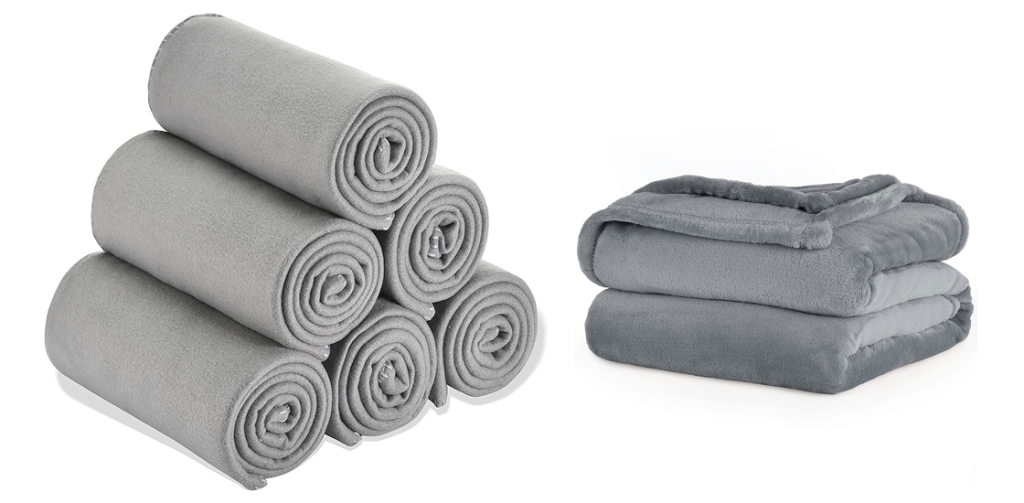
Throw blankets are one of the few textile items guests and customers actually pick up and touch — which means low-quality throws get noticed fast, and worn-out ones get replaced even faster if you buy the wrong product the first time. This guide covers what actually separates commercial-grade throws from consumer ones, how to match a throw to your space, and what to check before placing a bulk order. What Makes a Throw Blanket “Commercial Grade”? A commercial-grade throw is built to survive frequent industrial washing, heavy daily handling, and years of rotation without pilling, thinning, or losing its shape — a standard well beyond what a retail throw blanket is designed for. The difference usually comes down to fiber quality, weave density, and stitching reinforcement at stress points like edges and seams. Consumer throws are made to last through occasional home washing. Commercial throws need to hold up to: Daily or near-daily commercial laundering Repeated handling by staff and guests Extended time on display or in active use (lounges, waiting areas, beds) If a supplier can’t speak to wash-cycle durability specifically, that’s a sign the product wasn’t built with commercial use in mind. Why Throw Quality Affects Guest Perception More Than You’d Expect Guests form an impression of a property the moment they touch a thin or scratchy blanket, and that impression is hard to undo with anything else in the room. Throws sit at the foot of the bed or draped over a chair specifically because they’re meant to be handled — unlike a duvet, which is mostly seen, a throw is felt. This matters most in three settings: Setting Why throw quality matters here Hotel rooms Direct guest touchpoint, tied to reviews Spa/wellness waiting areas Reinforces a calm, premium experience Retail shelves Customers judge fabric quality against price instantly A thin throw at a mid-range price point damages trust in retail the same way a scratchy one damages guest reviews in hospitality — the mismatch between feel and price is what customers notice, not the price itself. How to Choose the Right Throw for Your Space The right throw depends on your climate, your use case, and your existing decor — not just what’s cheapest per unit. Getting this wrong usually shows up later as guest complaints or unsold retail stock, not immediately at checkout. Use this quick framework: Cold climates or outdoor seating → heavier-weight throws with stronger insulation. Spa, wellness, or calming environments → lighter woven throws in neutral or muted tones. High-traffic hotel rooms → mid-weight, easy-care fabrics that launder well and dry fast. Retail display → prioritize texture and color range that matches your customer’s aesthetic, since shelf appeal drives purchase decisions here more than launder-ability. Always request a physical sample before committing to a bulk order. Photos and product descriptions don’t convey texture, weight, or how a fabric actually feels against skin — and that’s the exact thing your guests or customers will judge first. Laundering Durability: What to Ask Before You Buy in Bulk Ask suppliers directly how their throws perform after repeated commercial wash cycles — specifically around pilling, fading, and shape retention — rather than accepting general durability claims. Properties that launder linens daily need fabric that holds up to hundreds of cycles a year, and that’s a very different bar than a throw sold for occasional home use. Questions worth asking a supplier before ordering: Has this fabric been wash-tested for commercial cycles, and can you share results? At what point (roughly) does pilling typically start to appear? Does color hold after repeated washing, or is fading common? What’s your minimum order quantity, and does pricing scale for reorders? Bulk Sourcing: Why Inventory Planning Matters as Much as Product Quality Running out of throws during peak season is a planning failure that shows up as an inconsistent guest experience, even if the product itself is high quality. Bulk sourcing solves this two ways: it lowers your per-unit cost, and it means you’re not scrambling to restock mid-season at full retail price from a different, unvetted supplier. For hospitality specifically, consistency across rooms matters as much as the quality of any individual throw — a guest who gets a worn blanket on their second stay after a great one on their first will notice the inconsistency more than they’d notice uniformly average quality. Canadian and Cross-Border Sourcing Considerations Buyers sourcing across Canada and the US should factor in warehouse location, since cross-border shipping delays can turn a routine reorder into a stockout. A supplier with inventory warehoused on both sides of the border avoids the customs and freight delays that come with single-country stock. This matters most for: Seasonal restocking before peak occupancy periods Multi-property operators managing inventory across provinces or states Retailers who can’t afford empty shelves during a sales push FAQs How do I know if a throw blanket is commercial grade? Ask the supplier directly about wash-cycle testing, fiber composition, and stitching reinforcement at stress points. A genuine commercial-grade throw is built and tested for frequent industrial laundering, not just marketed as “durable” without evidence. What’s the difference between retail throws and wholesale hospitality throws? Retail throws are typically designed for occasional home use and lighter washing, while wholesale hospitality throws are built for daily commercial laundering, heavier handling, and long-term rotation across many rooms or units. How many throws should I order for a hotel property? This depends on room count, occupancy patterns, and how often you rotate stock, but most properties order enough to cover full inventory plus a buffer for laundering cycles and seasonal peaks — ask your supplier for guidance based on your specific room count. Do throw blankets need to be a specific weight for hotels? Not universally — weight should match your climate and setting. Colder regions or outdoor seating areas generally do better with heavier weaves, while spa or wellness spaces often work better with lighter, breathable options. Can wholesale throws be customized for a hotel or retail

Wholesale Throw Blankets for Hotels, Retail Stores, and Commercial Spaces: A Buyer's Guide
Bedding

Wholesale Throw Blankets for Hotels, Retail Stores, and Commercial Spaces: A Buyer’s Guide

Guests and customers judge a business by what they can touch. A thin, pilled, or scratchy throw blanket tells them you cut corners — even if everything else about your space is polished. Sourcing wholesale throw blankets from a manufacturer built for commercial use solves that problem while lowering your long-term cost per unit. This guide covers what separates commercial-grade throws from consumer ones, how to match a throw to your space, what to check before placing a bulk order, and the questions buyers ask most often. What Makes a Throw Blanket “Commercial Grade”? A commercial-grade throw is built to survive industrial laundering, daily handling, and heavy rotation without losing its shape, softness, or color. Consumer throws are made for occasional home use and typically break down within months under that kind of demand. Understanding commercial hotel sheet fabric standards can help you apply the same scrutiny to throws. The practical differences show up in a few places: Fabric weight and weave density — heavier, tighter weaves resist pilling and thinning after repeated washes. Colorfastness — dyes rated for commercial detergents and high-heat drying don’t fade after a season of use. Stitching and hem construction — reinforced edges hold up to machine washing at scale instead of fraying. Certification — fabric that’s independently tested and certified free of harmful substances (such as OEKO-TEX Standard 100) protects both guests and staff who handle the linens daily. If a supplier can’t speak to these four points with specifics, the throw likely wasn’t designed for commercial use, no matter how it looks in a photo. Why Bulk Sourcing Beats Buying One at a Time Buying throws individually or from a general retailer is slower, more expensive per unit, and harder to keep consistent across a property or store chain. Wholesale sourcing solves all three problems at once. Working with a bulk bedding supplier also gives you a single point of contact for consistent reordering. Lower cost per unit as order volume increases, since you’re buying direct from the manufacturer rather than through a retail markup. Inventory consistency across every room, floor, or store location, so a guest in room 204 gets the same quality as a guest in room 118. Fewer emergency reorders, because you’re holding enough stock to cover peak occupancy or seasonal demand instead of scrambling mid-season. Predictable replacement cycles, which makes budgeting for housekeeping and facilities easier to plan a year out. The tradeoff is that bulk orders require more upfront planning — you need a rough sense of your annual volume, storage space, and reorder timeline before you commit. Good warehousing solutions for inventory make that planning far easier, and that planning pays off within the first replacement cycle. Hotels and Hospitality: Why the Throw Matters More Than You’d Think In hospitality, a throw blanket is a touchpoint, not just an accessory. It sits at the foot of the bed, over a lounge chair, or folded in a spa waiting area — often the first soft surface a guest touches after check-in. Many properties reference a hotel bedding buying guide when standardizing throws alongside their sheets. That touchpoint carries weight because: Guests form a quality impression within seconds of physical contact with linens, and that impression colors how they perceive the rest of the room. Inconsistent quality across rooms — one floor with worn throws, another with newer stock — is noticeable to repeat guests and can surface in reviews. Housekeeping efficiency depends on fabrics that dry quickly and resist wrinkling, which reduces turnaround time between guests. Peak-season shortages force last-minute purchases at retail prices, which erodes the cost savings bulk buying was supposed to provide. Hotels that standardize on one commercial-grade throw across their property avoid all four of these issues at once, and it simplifies staff training since housekeeping only needs to learn the care requirements of a single product line. Retail and Commercial Spaces: Matching Quality to Price Point Retailers selling throws face a different challenge: customers physically handle the product before buying, and they can tell within seconds whether the feel matches the price tag. A throw that looks premium on a shelf but feels thin in hand damages trust immediately — and that mismatch is one of the fastest ways to lose a repeat customer. Retailers building out a broader wholesale bedding programs lineup often add throws as a natural extension of their sheet and duvet offering. For commercial spaces — wellness studios, corporate lounges, event venues — the priority shifts slightly toward low-maintenance durability. You want a throw that creates a warm, inviting atmosphere without demanding constant replacement or special-care laundering. A few practical guidelines for either use case: Use Case Priority Fabric Consideration Retail resale Feel matches price point Consistent hand-feel across the batch Hotel guest rooms Durability + consistent look Heavier weave, colorfast dye Spa / wellness Softness, calm aesthetic Lightweight, breathable fibers Corporate lounge Low maintenance Wrinkle- and stain-resistant finish Outdoor / patio seating Insulation, weather tolerance Heavier weight, tighter weave How to Choose the Right Throw for Your Space Start with your environment and your customer, not the product catalog. The right throw depends on climate, use frequency, and how often it gets washed. Browsing a premium bedding options catalog first can help you settle on a palette and fabric weight before requesting throw samples. Match weight to climate and setting. Colder climates or outdoor seating need heavier, more insulating fabric. Spa or wellness settings do better with lighter, softer weaves. Check your laundering frequency. Daily commercial washing requires fabric tested for shape and softness retention over hundreds of cycles — ask your supplier for that data specifically. Align with your brand palette. A neutral, classic palette suits most hotel programs; retail and seasonal displays can support bolder colors and patterns. Request samples before committing to volume. Texture and weight are hard to judge from a photo or spec sheet — a physical sample avoids a costly reorder. Confirm minimum order quantities and lead times up front. These

Wholesale Pillow Sourcing: How to Specify Pillows That Don't Come Back as Returns
Bedding

Wholesale Pillow Sourcing: How to Specify Pillows That Don’t Come Back as Returns

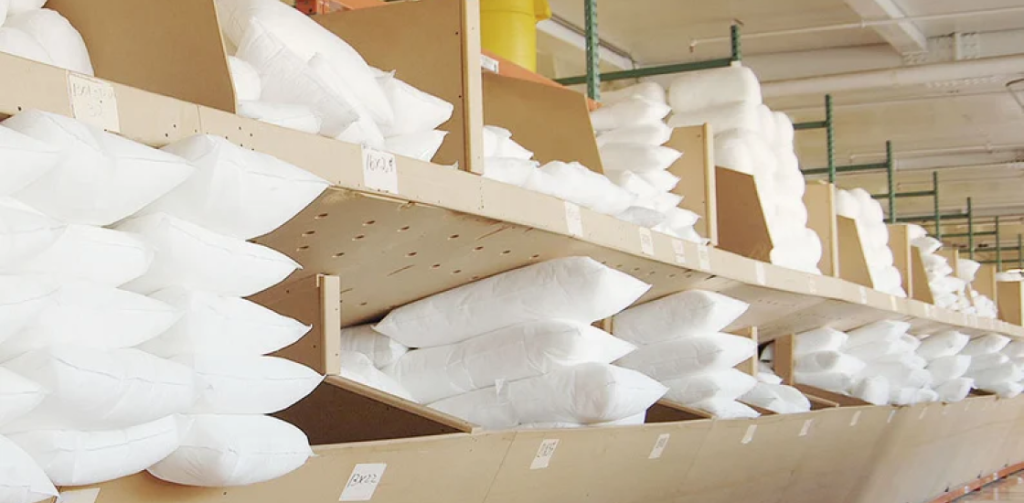
Pillows are bought more often than any other bedding item, and returned more often too. The fix isn’t a better-looking product photo — it’s specifying fill type, construction, and support level correctly before the order ships. This guide breaks down exactly what to check. Why Wholesale Pillow Orders Fail After a Few Weeks of Use Most pillow returns trace back to one root cause: the pillow was chosen on fill weight alone, without accounting for fill quality, shell construction, or support level. A pillow that feels right in a showroom or product photo can lose its shape within a month of real use and laundering. The failure shows up in predictable ways: Loft collapses after repeated compression, leaving the pillow flat within weeks. Fill bunches to one side or corner instead of staying evenly distributed. Support doesn’t match the sleeper’s position, causing neck stiffness that drives a return or a bad review. For retailers, each of these outcomes eats into margin through returns. For hospitality buyers, it means guest comfort complaints and replacing pillows well before the expected product life — which quietly erodes the savings that bulk buying was supposed to deliver. What Actually Determines Pillow Loft Retention Loft retention comes down to three factors working together: fill fiber quality, shell weave tightness, and gusset construction — not fill weight in isolation. A heavier pillow with low-grade fill will underperform a lighter pillow made with better materials. Fill quality over fill weight. A high-quality fiber cluster structure holds its resilience through repeated compression better than a cheaper fill at a higher gram weight. Weight alone doesn’t tell you how the pillow will perform after thirty nights of use. Shell construction. A tightly woven shell keeps fill from migrating and redistributing toward the edges over time. A loose weave lets that happen within the first few wash cycles. Gusset construction. Gusseted pillows — with a fabric panel sewn around the perimeter — hold their shape under compression better than flat-sewn pillows, which flatten toward the edges under a sleeper’s weight. Loft recovery speed. A quality pillow springs back to full height within seconds of being compressed. If it takes longer than five seconds, or doesn’t fully recover, that’s an early sign of fill degradation. OEKO-TEX Standard 100 certification. This covers fill, shell fabric, dyes, and finishing treatments, confirming there’s nothing harmful in a product that sits against a sleeper’s face for hours every night. Comparing Pillow Fill Types for Wholesale Buyers Each fill type serves a different customer segment and price point — there’s no single “best” fill, only the right fill for the support level and budget a buyer is targeting. Fill Type Best For Key Advantage Watch For Down alternative (polyester) Broad retail, hypoallergenic buyers Machine washable, consistent, affordable Fiber cluster quality varies widely by supplier Down and feather Premium retail, boutique hospitality Superior warmth-to-weight ratio Shell must be tightly woven to prevent down migration Memory foam Neck pain, non-moving support Contours to head and neck shape Density and off-gassing certification matter Natural latex Wellness and premium segments Naturally dust-mite and mold resistant Higher price point, needs clear labeling Down Alternative Polyester Fill Down alternative fill is the highest-volume fill type in wholesale pillow programs, and for good reason: it’s hypoallergenic, machine washable, and priced for broad distribution without squeezing margin. The specification that separates a good down alternative pillow from a commodity one is the fiber cluster construction. Siliconized hollow fiber clusters hold their three-dimensional loft through compression cycles far better than straight polyester fiber does, which is the difference between a pillow that still looks new after six months and one that’s gone flat. Siliconized hollow fiber construction for down-like loft at a synthetic price point Fill weight typically ranges from light to extra-firm support, covering most sleep position preferences Machine washable in standard laundry systems, which matters for both retail customers and hospitality laundering programs Hypoallergenic status confirmed through OEKO-TEX testing of fill, shell, and finishing — not a self-declared claim Consistent fill weight across production runs, so a reorder six months later matches the original Down and Feather Fill Down and feather pillows sit at the premium end of the wholesale market and serve a customer who wants a softness and compressibility that synthetic fill doesn’t fully replicate. Fill power — not weight — is the specification that determines down pillow quality. It measures the volume one ounce of down occupies in cubic inches: higher fill power means more loft per unit of weight, producing a lighter, more resilient pillow. Mid-premium tier down generally falls in a lower fill-power range, suited to retail price points where quality differentiation from synthetic fill is the sales pitch. Higher fill-power down sits at the luxury tier, often used as a deliberate quality statement in boutique hospitality supply. Goose down clusters tend to be larger than duck down at the same weight, which is why goose down commands a higher price with a real, explainable quality difference. A tightly woven shell — generally a minimum of 233 thread count — is required to stop down from migrating through the fabric. Down leaking through the shell is the clearest sign of a poorly specified pillow. OEKO-TEX certified down confirms the fill is free of harmful substances; look for responsible-sourcing documentation where it applies. Memory Foam Pillows Memory foam works differently from filled pillows — it conforms to the shape of the head and neck under weight rather than compressing uniformly, which distributes support more precisely. This matters for wholesale ranging because sleepers with neck pain or a preference for a non-shifting pillow surface actively seek out memory foam. If a retailer’s assortment doesn’t include it, that customer buys elsewhere. Solid foam gives fixed contour support; shredded foam is adjustable and sleeps cooler but needs occasional fill redistribution. Foam density in the mid-range (roughly 50–60 kg/m³) tends to provide cervical support without becoming uncomfortably firm. Cooling gel infusion addresses memory foam’s natural heat retention — relevant for warm sleepers

Northern Linens Expands Bulk Bedding Manufacturing and Private Label Programs Across North America
Bedding

Northern Linens Expands Bulk Bedding Manufacturing and Private Label Programs Across North America

Northern Linens is expanding its bulk bedding manufacturing capacity and private label program to meet growing demand from retailers, hospitality providers, and institutional buyers across Canada and the US. The expansion adds production capacity for sheets, pillowcases, duvets, and related textile products, along with more flexible private label customization options. Why Textile Sourcing Decisions Are Changing Buyers across retail and hospitality are no longer choosing bulk bedding suppliers on price and quality alone — supply chain reliability and sustainable sourcing now factor directly into the decision. That shift is driving manufacturers to scale production while holding the line on consistency. A few forces are pushing this change: Retailers and hotel groups need predictable lead times after several years of well-documented supply chain disruption across the textile sector. Private label has moved from a secondary offering to a core growth strategy for many retail brands, which increases demand for manufacturers who can support custom SKUs at volume. Institutional and hospitality buyers are asking suppliers for documented sourcing and material standards, not just a sustainability claim on a product page. What Northern Linens’ Manufacturing Expansion Covers The expansion increases Northern Linens’ bulk production capacity for sheets, pillowcases, duvets, and related bedding categories, aimed at supporting larger and more frequent orders from retail chains, hotels, and institutional accounts. The added capacity is built around three priorities: Faster production timelines for large-volume orders, reducing the lag between order placement and fulfillment. Improved inventory management so bestselling SKUs stay in stock instead of going on backorder during peak demand periods. Broader distribution capability across Canadian and US warehousing, shortening delivery times for buyers on either side of the border. How the Private Label Program Has Expanded Northern Linens’ private label program now offers more flexibility in design, material selection, and packaging, giving retailers and hospitality brands a more direct path to launching their own branded bedding lines without building manufacturing infrastructure themselves. For a retailer or hospitality group considering private label, the expanded program covers: Material selection across cotton and cotton-blend fabrics for different price tiers and use cases. Design customization, including SKU-level specifications built around a brand’s existing product line. Packaging solutions that reflect a client’s brand identity from the point of manufacture through to delivery. A single point of contact managing the process from specification brief through production and delivery, rather than coordinating across multiple vendors. Where Sustainability Fits Into the Expansion Sustainability has shifted from a marketing line to something buyers expect to see backed by documentation — material sourcing, production practices, and certification standards that can be checked rather than taken on faith. These fabric sourcing decisions increasingly shape which suppliers retailers and hospitality groups choose to work with. Northern Linens’ approach centers on: Incorporating verified, responsibly sourced fabric blends into standard production runs rather than a separate “eco” product line. Maintaining OEKO-TEX Standard 100 certification across fabric used in its bedding lines, confirming products are tested free of harmful substances. Balancing environmental sourcing decisions against product durability, since a sustainable product that wears out early creates more waste, not less. Who the Expansion Is Built to Serve The expanded manufacturing and private label capacity is designed for four buyer types, each with different priorities: Buyer Type Primary Need How the Expansion Helps Retail chains & e-commerce Consistent stock, private label margin growth Faster fulfillment, custom SKU development Hotels & hospitality Guest-facing quality consistency Standardized production across large room counts Institutional buyers Reliable, verifiable sourcing Documented certification and sourcing standards Distributors Scalable order volume Broader warehousing and shorter lead times Frequently Asked Questions What does Northern Linens’ manufacturing expansion include? The expansion adds bulk production capacity for sheets, pillowcases, duvets, and related bedding products, along with improved inventory management and broader warehousing across Canada and the US to support larger retail, hospitality, and institutional orders. How does Northern Linens’ private label program work? The private label program gives retailers and hospitality brands control over material selection, design, and packaging for their own branded bedding lines, managed through a single point of contact from specification through delivery. What sustainability standards does Northern Linens follow? Northern Linens maintains OEKO-TEX Standard 100 certification across its fabric, which verifies textiles are tested free of harmful substances, and incorporates responsibly sourced material into standard production rather than a separate product tier. Who can use Northern Linens’ bulk bedding manufacturing services? The expanded capacity is built to serve retail chains, e-commerce brands, hotels, hospitality groups, institutional buyers, and distributors across Canada and the US, with production scaled to each segment’s order volume. Why are private label bedding programs growing in importance for retailers? Private label lets retailers differentiate their product line and improve margin compared to reselling third-party branded bedding. As demand for house-brand product lines grows, retailers need manufacturing partners who can support custom SKUs without long lead times. How does supply chain reliability affect bedding sourcing decisions? Buyers increasingly weigh a supplier’s production timelines and improve inventory management consistency alongside price and quality, since disruptions in recent years have shown that an unreliable supplier can be more costly than a slightly more expensive one. Does Northern Linens manufacture in-house or through third parties? Northern Linens controls production from material sourcing through to packaging in-house, which is intended to keep quality consistent across large order volumes rather than depending on multiple outside vendors.

Best Percale Sheets Canada: A Wholesale Retailer's Guide to Sourcing, Positioning, and Stocking
Bedding

Hotel Bedding Standards: What Hospitality Buyers Should Look For

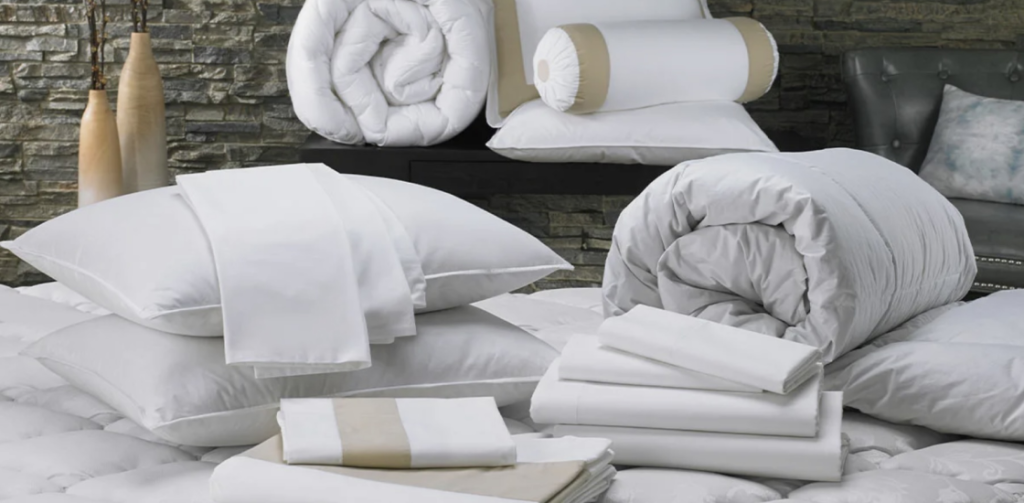
Choosing hotel bedding isn’t about finding the softest sheets on a shelf — it’s about sourcing linens that survive 150+ industrial wash cycles, hold their color, and still feel new to a guest on night one and night one-thousand. This guide breaks down exactly what hospitality procurement teams should evaluate before placing a bulk order: thread count and weave, GSM, fabric composition, certifications, and total cost of ownership. If you manage purchasing for a hotel, short-term rental portfolio, or property management company, this is written for you — not for someone shopping for a single bed at home. What Is “Hotel Collection Bedding,” Really? “Hotel collection bedding” refers to linens built to commercial specifications — durable weaves, verified thread counts, and fabric weights designed for daily use and repeated industrial laundering, not the retail bedding sold under similar-sounding names at department stores. The two are often confused, but they’re built to different standards entirely. Retail “hotel collection” labels typically use lower-grade sateen weaves with synthetic blends, optimized for a soft first touch in a showroom rather than years of commercial wash cycles. True commercial hotel bedding is graded on wash-cycle durability, colorfastness, and consistency across every unit in an order — not on how it feels folded on a shelf. That distinction matters most when you’re ordering for dozens or hundreds of rooms, since inconsistent quality across a batch creates uneven guest experiences and higher replacement costs. What Thread Count Should Hospitality Buyers Actually Look For? Most 3-star and mid-scale hotels specify cotton percale in the 200–300 thread count range, while 4- and 5-star luxury properties typically move up to 250–400 thread count for a smoother hand-feel. Thread count above 400 rarely improves comfort in a commercial setting and mainly adds cost, since it doesn’t account for weave type or fiber quality — the two factors that matter more. Thread count counts the total number of horizontal (weft) and vertical (warp) threads woven into one square inch of fabric. A higher number generally signals a denser weave, but only within a realistic range — marketing claims of 800 or 1,000 thread count almost always involve multi-ply threads counted as single threads, which inflates the number without improving durability. Hotel Tier Typical Thread Count Range Common Weave Limited-service / economy 180–250 TC Percale or plain weave Mid-scale / 3-star 200–300 TC Percale Upscale / 4-star 250–350 TC Percale or sateen Luxury / 5-star 300–400 TC Percale (single-ply, long-staple cotton) Percale weave is the industry default for hotel sheets because it’s crisp, breathable, and holds up better than sateen across repeated industrial washing. Sateen has a softer, glossier feel but shows wear and pilling faster under commercial laundering conditions, which is why most properties reserve it for duvet covers rather than daily-use sheets. Does Fabric Weight (GSM) Matter as Much as Thread Count? GSM (grams per square meter) measures the actual density and weight of a fabric, and it matters just as much as thread count for judging durability — especially for towels, mattress protectors, and duvet inserts where thread count doesn’t apply. A high thread count paired with a low GSM often signals thin, lightweight fabric that won’t hold up to commercial use. For bedding categories where thread count isn’t the relevant metric — mattress protectors, blankets, and pillow fill — GSM is the number to check instead. Buyers sourcing across multiple product types should ask suppliers for GSM specs on every category, not just sheets, since a supplier that only quotes thread count may be leaving out the number that actually predicts wear. What Fabric and Certification Standards Should Be Non-Negotiable? Long-staple or extra-long-staple cotton (ELS) in a percale weave is the standard fabric choice for hotel sheets, and OEKO-TEX Standard 100 certification is the baseline safety benchmark to require from any wholesale supplier. Skipping either one increases the risk of premature fabric breakdown or exposure to harmful chemical residues in daily-use linens. Key standards to confirm before signing a wholesale contract: Fiber length: Long-staple or extra-long-staple cotton resists pilling and holds shape far longer than short-staple cotton. OEKO-TEX Standard 100 certification: Confirms the fabric has been tested and verified free of harmful substances — important for guest safety and for healthcare or childcare-adjacent properties. Colorfastness: White and light-colored linens should hold their color and resist graying through repeated industrial bleaching and washing. Wash-cycle durability: Ask suppliers directly how many industrial wash cycles their fabric is rated to withstand before quality noticeably degrades — a fabric rated for 150+ cycles reduces replacement frequency and long-term cost. Consistent SKU-level quality: Every unit in a bulk order should match in weight, weave, and color — batch inconsistency is one of the most common (and most avoidable) quality complaints in hotel procurement. How Should Hospitality Buyers Think About Cost Per Order vs. Cost Per Wash Cycle? The lowest price per unit isn’t the same as the lowest cost over the linen’s lifespan, since cheaper fabric that needs replacing twice as often usually costs more over a two- or three-year period. Hospitality buyers get better long-term value by comparing cost against expected wash-cycle life, not just the invoice total. A simple way to compare two supplier quotes: Get the per-unit price for each sheets, duvet covers, pillowcases, mattress protectors product category. Ask each supplier for their fabric’s rated wash-cycle durability. Divide unit price by rated wash cycles to get a rough cost-per-wash figure. Compare that number across suppliers, not just the sticker price. This approach also makes it easier to justify a slightly higher upfront cost when the fabric quality and durability data support it. Which Northern Linens Product Categories Cover Hotel Bedding Needs? A complete hotel bed program typically draws from four to five core wholesale categories, and sourcing them from one manufacturer keeps quality and fabric weight consistent across every layer of the bed. Mixing suppliers across categories is one of the more common causes of mismatched color and texture between sheets and duvet covers. Sheet Sets — the daily-use foundation

Luxury Bed Sheets Canada: A Wholesale Retailer's Guide to Sourcing Premium Bed Linen
Bedding

Luxury Bed Sheets Canada: A Wholesale Retailer’s Guide to Sourcing Premium Bed Linen

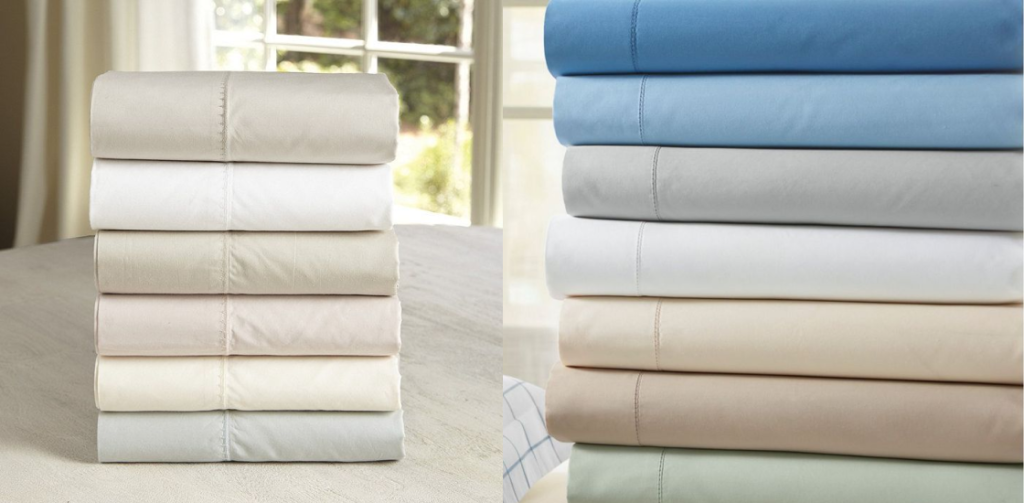
By Northern Linens — Luxury Bedding Manufacturer and Wholesale Supplier, Canada Stocking luxury bed sheets in Canada is a decision that outlasts the purchase order. A customer who buys a premium sheet set and finds it pilling after ten washes or losing its softness after twenty doesn’t blame the factory — they blame the retailer who sold it to them. This guide gives wholesale buyers a clear framework for evaluating premium bed linen before it hits the shelf, so the product matches the price point it’s sold at. What Happens When Retailers Get the Quality Decision Wrong? Under-specifying quality on premium bedding creates a predictable chain of problems: rising returns, falling repeat purchases, and reputational damage that’s harder to undo than the margin gained from a cheaper unit cost. The fix starts with sourcing decisions, not markdowns after the fact. A customer paying premium prices for luxury bed sheets Canada expects a specific experience: fabric that softens with washing rather than degrading, colour that holds, a fitted sheet that stays fitted, and a product that lasts years rather than one season. Meeting that bar consistently requires sourcing from a manufacturer that controls quality at the production level — fabric traceability, verified certifications, and documentation available on request — rather than one that inspects finished goods bought from an unlisted factory. Thread Count vs. Yarn Quality: Which One Actually Matters? Thread count alone tells a retailer almost nothing about how a sheet will perform, because it can be inflated using multiple thinner plies twisted together rather than genuinely finer, stronger yarn. A retailer that stocks purely on thread count is the one absorbing the returns when the product underperforms in a real customer’s laundry cycle. Why Long-Staple Cotton Outperforms High-Thread-Count Claims A 1,000-thread-count sheet made from short-staple, multi-ply cotton will generally wear out faster than a well-made 400-thread-count sheet from single-ply, long-staple cotton. Long-staple and Egyptian cotton produce a finer, stronger yarn with fewer exposed fiber ends — which is what actually resists pilling and holds up across repeated washing, not the number printed on the label. What to ask a supplier before stocking: Is the thread count single-ply or multi-ply? What staple length is the cotton (long-staple, extra-long-staple, or short-staple)? Is fabric composition data available in writing, not just verbally? Can the supplier provide batch-level traceability if a quality issue comes up later? Sateen vs. Percale: Which Weave Should You Stock? Sateen and percale serve different customers, so the right answer for most retailers is stocking both rather than choosing one. The weave you lead with should match whether you’re selling on visual/tactile appeal or on wash-cycle durability. Weave Construction Feel & Look Best Fit Sateen Four-over-one-under Smooth, lustrous, slight sheen Premium retail display, gifting, photograph-driven sales Percale One-over-one-under Crisp, matte, highly breathable Hospitality accounts, longevity-focused product ranges Percale is the standard construction behind most hotel grade bed linen Canada programs, because it holds up to repeated industrial laundering better than sateen does at comparable thread counts. Sateen, by contrast, tends to sell better on shelf and online, where the sheen and hand-feel drive the purchase decision. Carrying both lets a retailer serve the hospitality-adjacent buyer and the premium home consumer from one supplier relationship. Why Does OEKO-TEX Certification Matter for a Wholesale Buyer? OEKO-TEX Standard 100 certification confirms that every component of a finished sheet — fiber, dye, and finishing chemicals — has been tested and cleared of harmful substance levels. For a wholesale retailer, that’s both a genuine quality signal and a claim your sales team can make accurately to customers who are checking credentials before they buy. What OEKO-TEX certification gives a retailer: Coverage across raw fiber, dyes, and finishing chemicals, not just the visible fabric. Documentation usable in product listings, in-store signage, and marketing copy. Applicability across fabric types — long-staple cotton, bamboo blends, and other sustainable lines. A defensible basis for sustainability and skin-safety claims, rather than an unverifiable marketing line. Retailers who can point to certification documentation have a real answer for the growing number of Canadian shoppers checking sourcing credentials before purchase — retailers stocking uncertified product don’t have that answer to give. How Should a Retailer Structure a Tiered Luxury Bed Linen Range? The strongest commercial approach isn’t a single premium price point — it’s a tiered range that moves customers up within your own product line as their trust in the brand grows. A three-tier structure covers first-time premium buyers, repeat customers, and top-margin flagship sales from one supplier relationship. Entry Premium Tier Long-staple cotton percale in the 300–400 thread count range, in classic colourways, works as the entry point for customers moving from mid-market to premium for the first time. The quality-to-price ratio needs to be strong enough to convert a first-time premium buyer and good enough that they come back for a higher tier next time. Mid Premium Tier Sateen or percale in the 400–500 thread count range, with a broader seasonal and fashion colourway selection, is typically where the bulk of repeat-purchase volume sits. These are customers who’ve already made the jump to premium and are choosing on quality within a price band they’re comfortable spending in. Luxury Flagship Tier Egyptian cotton in the 500–600 thread count range, in sateen, or a certified premium bamboo blend line, anchors the top of the range. This tier serves the customer buying on quality reputation and credentials rather than price, and it typically carries the highest margin per unit in the assortment. What Does a Private Label Bed Sheets Program in Canada Actually Include? Private labelling turns a wholesale relationship into a retailer’s own brand, and a full program should cover far more than just a swapped label — it needs branding, packaging, and documentation the retailer can put their name behind. A complete private label bed sheets program typically covers: Custom woven labels and branded packaging. Exclusive colourways not sold to other accounts. Thread count and fabric specifications matched to the retailer’s target quality tier. Certification documentation (OEKO-TEX, etc.)

Coordinated Bedding and Curtains for Wholesale Buyers: A Sourcing Guide for Hospitality, Retail, and Design Teams
Bedding

Wholesale Microfiber Bedding Sets: A Buyer’s Guide to Specs, Durability, and Procurement

Microfiber bedding is the default fabric choice for hotels, rental operators, and institutions running large room counts, but “microfiber” on a spec sheet covers a wide quality range — from fabric that holds up for years to fabric that pills and thins out within a few months. This guide explains what actually determines microfiber quality, how sets compare to piecemeal sourcing, and what to check before placing a bulk order. Northern Linens supplies wholesale microfiber bedding sets built to commercial laundering standards. What Is Microfiber Bedding, and Why Does It Dominate Commercial Sourcing? Microfiber bedding is made from synthetic fibers — typically polyester, or a polyester-nylon blend — engineered to a diameter finer than one denier, which is thinner than a strand of silk. That fine, split-fiber construction is what gives microfiber its soft hand feel and low cost relative to cotton, which is why it’s the volume fabric choice for hospitality, student housing, and short-term rental operators. Compared to cotton, microfiber offers three practical advantages at scale: Wrinkle resistance, reducing the need for ironing or steaming between turnovers Fast drying times, which matters for high-turnover laundry operations Lower and more stable unit cost, since it isn’t subject to cotton price volatility The trade-off is breathability — microfiber traps more heat than cotton, which is a factor worth weighing for warm-climate properties or premium room tiers. How Do You Judge Microfiber Quality for Bulk Purchasing? Microfiber quality is measured in GSM (grams per square meter), not thread count — thread count is a cotton metric and doesn’t meaningfully apply to synthetic fiber. For commercial bedding, a GSM in the 90–120 range is the generally accepted quality band; fabric under 90 GSM is considered lower-grade and more prone to tearing and pilling under repeated washing. GSM Range Quality Tier Best Fit Below 90 Lower grade Not recommended for commercial laundering cycles 90–120 Standard commercial quality Balanced durability and breathability for most properties 130–160 Heavier, warmer weight Cooler-climate properties prioritizing durability over breathability GSM alone doesn’t guarantee quality, though. Some suppliers inflate perceived weight using a thicker but lower-grade base layer instead of genuine split-fiber construction and weave type, which increases fabric weight without improving how it washes or wears. Buyers sourcing at volume should ask suppliers directly about split-fiber construction and weave type, not just the GSM number on a spec sheet. Additional quality checks worth requesting before a bulk order: Weave type — a tight, flat weave distributes laundering stress more evenly than a loose or waffle weave Colorfastness testing — confirms colour holds through repeated industrial wash cycles, not just a handful of home washes Pilling and tensile strength test results — standard textile testing metrics a manufacturer should be able to provide OEKO-TEX Standard 100 certification — confirms the fabric has been independently tested and is free of harmful substances Do Bedding Sets Actually Reduce Procurement Complexity Compared to Piecemeal Sourcing? Yes — sourcing fitted sheets, flat sheets, and pillowcases as a matched set reduces the number of SKUs a buyer manages and removes the risk of colour or sizing mismatches across a property or product line. This matters more at scale than it does for a single household, where mismatches are a minor inconvenience rather than a guest-facing quality issue. Practical benefits of set-based procurement for multi-property or multi-unit buyers: Fewer purchase orders and reorder points to track across a portfolio Reduced risk of dye-lot or fabric mismatches between components Simpler staff training, since housekeeping teams work with one standardized configuration Easier storage and distribution planning across properties The trade-off is flexibility — a fixed set locks in a specific pillowcase-to-sheet ratio, so buyers with variable room configurations (single vs. double occupancy, for example) should confirm a supplier can adjust set composition rather than forcing a one-size configuration. How Should Buyers Think About the True Cost of Wholesale Microfiber Bedding? The real cost of commercial bedding is lifecycle cost — unit price divided by the number of wash cycles the fabric holds up through — not the sticker price per set. A cheaper set that needs replacing twice as often costs more over a year than a slightly pricier set with better fabric grading. A simple way to frame this for budget planning: Unit price tells you the upfront cost Expected wash-cycle life tells you how long that cost is spread over Lifecycle cost = unit price ÷ expected number of commercial wash cycles before replacement is needed Buyers evaluating two supplier quotes should ask for expected wash-cycle durability data, not just per-unit pricing, before assuming the lower quote is the better deal. What Should Be Confirmed Before Placing a Wholesale Microfiber Order? Before confirming volume pricing, buyers should verify GSM and weave specs in writing, request colorfastness and pilling test data, and confirm OEKO-TEX certification — verbal assurances about “commercial-grade” fabric aren’t a substitute for documented specs. Pre-order checklist: Confirm GSM range and weave type in the written spec, not just a marketing description Request colorfastness, pilling, and tensile strength test results Confirm OEKO-TEX Standard 100 certification (or equivalent) for the specific fabric batch Ask about standard wash-and-care instructions to confirm no specialized laundering equipment is required Clarify set composition (sheets-to-pillowcase ratio) and whether it can be adjusted for your occupancy mix Frequently Asked Questions What GSM should commercial microfiber bedding be? Look for a GSM of 90–120 for a balance of durability and breathability suited to most commercial laundering schedules; fabric under 90 GSM is more likely to tear or pill with frequent industrial washing. Is microfiber durable enough for hotel or institutional use? Yes, when the fabric meets a commercial-grade GSM range and passes standard colorfastness and tensile strength testing. Durability depends more on weave quality and fiber construction than on GSM alone. Why buy bedding as a matched set instead of individual pieces for a bulk order? Set-based sourcing reduces the number of SKUs and reorder points a buyer manages and avoids colour or sizing mismatches between fitted sheets, flat sheets, and

Wholesale Microfiber Bedding: What Hotels, Rentals, and Healthcare Buyers Need to Know Before Ordering
Bedding

Wholesale Microfiber Bedding: What Hotels, Rentals, and Healthcare Buyers Need to Know Before Ordering

Microfiber bedding is the go-to fabric choice for buyers who need sheets, duvet covers, and protectors that survive daily commercial laundering without falling apart or driving up costs. If you’re sourcing bedding for a hotel, short-term rental portfolio, or healthcare facility, this hotel bedding buying guide breaks down what microfiber actually is, how it performs under real operational conditions, and what to check before signing a wholesale contract. What Is Microfiber Bedding? Microfiber bedding is made from ultra-fine synthetic fibers — usually polyester or a polyester-nylon blend — woven into a tight, dense fabric structure, as outlined in this commercial hotel sheet fabric guide. Each fiber is thinner than a strand of silk, which is what gives microfiber its smooth feel and resistance to pilling. Unlike cotton, which relies on thread count vs GSM and fiber length for quality, microfiber’s performance comes from fiber density and weave tightness. That’s why two microfiber sheets can feel very different depending on the manufacturer’s fabric construction — not just the marketing on the label. Why Bulk Buyers Choose Microfiber Over Cotton Bulk buyers choose microfiber because it holds up to frequent institutional washing, dries faster than cotton, and costs less per unit — three things that matter more in a 200-room hotel or a multi-property rental portfolio than softness alone. For operations with high turnover, those three factors typically outweigh the appeal of natural fiber luxury positioning, a distinction covered in more depth in this microfiber vs cotton comparison. Microfiber vs. Cotton for Commercial Use Factor Microfiber Cotton Upfront unit cost Lower Higher Wrinkle resistance High — minimal ironing needed Lower — often needs pressing Dry time Faster Slower Breathability Lower (synthetic fiber) Higher (natural fiber) Best fit Budget hotels, rentals, institutional use Premium hospitality, guest-facing luxury tiers Wash cycle tolerance High Moderate to high, depends on thread count Neither fabric is objectively “better” — the right choice depends on your positioning. A budget extended-stay property and a five-star resort have different priorities, and matching fabric to use case matters more than chasing a single “best” material. How Microfiber Holds Up in Commercial Laundry Systems Microfiber’s tight weave is what lets it survive repeated industrial wash-dry cycles without breaking down as quickly as looser-weave fabrics. Commercial laundering is harsher than home washing — hotter water, stronger detergents, and higher cycle frequency — so fabric structure matters more than thread count here. That said, durability still varies by manufacturer. Cheaper microfiber can pill or thin out after a few dozen wash cycles if the fiber density is low. When evaluating suppliers, ask directly about wash-cycle testing data rather than assuming all “microfiber” is equal — the term describes a fiber type, not a fixed quality standard. Cost Per Use Matters More Than Sticker Price The real cost of bedding isn’t the price per unit — it’s the price divided by how many wash cycles it survives before needing replacement. A cheaper sheet that needs replacing twice as often isn’t actually saving you money; it’s just moving the cost into your replacement budget instead of your initial invoice, which is why many buyers compare wholesale microfiber sheets pricing against long-term durability rather than sticker price alone. When comparing wholesale quotes, ask suppliers for: Expected wash-cycle lifespan under commercial conditions Whether the fabric has been independently tested (not just self-reported) Bulk reorder pricing versus one-time order pricing This is the same math institutional buyers already apply to towels and uniforms — bedding just often gets overlooked because the unit price is the first (and sometimes only) number decision-makers look at. Comfort and Feel: What to Realistically Expect Microfiber feels smooth and consistent out of the package, and that consistency holds up better across large orders than natural fiber tends to, since synthetic production is easier to standardize batch to batch. It won’t feel identical to high-thread-count Egyptian cotton, and it shouldn’t be marketed that way — but for guest-facing use in mid-tier hospitality and rentals, most guests won’t notice or mind the difference. One practical note from the operations side: microfiber tends to feel warmer against the skin than cotton because it’s less breathable. That’s a consideration for warm climates or properties without strong HVAC, not a defect — just a fit issue worth flagging to buyers stocking properties in hotter regions. Wrinkle Resistance and Housekeeping Workflow Microfiber resists wrinkling because synthetic fibers hold their shape better than natural fibers after washing and drying, which cuts down on ironing time in housekeeping turnover. For properties running same-day turnovers, that time savings adds up across dozens of rooms a day. Practical housekeeping impact: Less pressing/ironing labor per turnover Faster folding and restocking of linen carts Fewer wrinkle-related guest complaints on fitted sheets specifically, which show wrinkling most Certifications and Safety: What to Verify Before Buying Before placing a bulk order, confirm the fabric is certified free of harmful substances by an independent body — OEKO-TEX Standard 100 is the certification most commonly used in the bedding industry for this purpose. This matters more for healthcare and hospitality accounts where guest or patient skin contact is constant and liability is real. Ask your supplier directly for the certificate, not just a claim on the website. A supplier confident in their fabric sourcing will have this on hand without hesitation. How to Choose a Wholesale Microfiber Bedding Supplier Use this checklist when vetting suppliers for a bulk contract: Ask for wash-cycle test data, not just marketing claims about durability. Confirm certifications (e.g., OEKO-TEX Standard 100) with actual documentation. Check warehouse locations — suppliers with strong warehousing solutions stocking inventory in your region (e.g., across Canada and the US) generally mean faster reorders than overseas-only stock. Ask about private label and SKU customization if you need branded packaging or specific fabric blends. Get reorder pricing in writing, not just the first-order quote — reorder terms are where hidden markups often show up. Request samples before committing to a full order, especially for a new fabric blend or thread weight.

Scroll to Top

Get In Touch