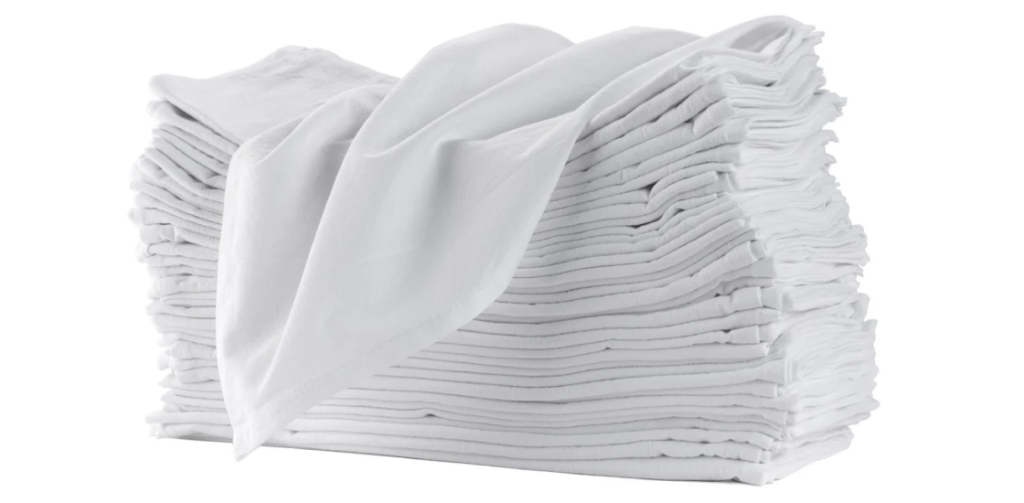
Wholesale Kitchen Linens Canada: Bulk Aprons and Textile Solutions for Commercial and Retail Use
Kitchen linens are among the most frequently reordered items in any wholesale textile program — and among the most frequently sourced without real specification. Treating aprons, tea towels, and kitchen cloths as commodity items leads to products that break down fast under commercial conditions and generate replacement costs that eat the margin on the original order. This guide covers what to specify for bulk aprons, tea towels, chef coats, and oven mitts so the products still perform after months of daily use and high-heat laundering. Why Kitchen Linen Quality Is an Operations Problem, Not Just a Style Choice In a restaurant or hotel kitchen, linens aren’t decorative — they’re functional tools used daily under heat, moisture, grease, and frequent commercial laundering that most retail-grade textiles were never built to withstand. When a product fails early, it’s not just disappointing, it’s an operational cost. An apron that frays at the ties after twenty washes, a tea towel that goes thin and stops absorbing within a month, or an oven mitt that loses heat resistance after a few laundry cycles all create the same outcome: unplanned replacement spend and a buyer who starts shopping for a more reliable bulk bedding supplier program. Five specification points determine whether a kitchen linen holds up: Fabric weight. Tea towels and kitchen cloths generally need a minimum around 180 GSM to maintain absorbency and structural integrity through daily laundering, a distinction covered in more depth in this thread count vs GSM guide. Yarn twist and weave density. Tightly woven cotton resists the pilling and thinning that shows up fast in loose-weave alternatives under commercial wash cycles. Seam and hem construction. Reinforced, double-stitched seams at stress points are what prevent the fraying that makes a linen look unprofessional and shortens its usable life. OEKO-TEX certification. In a food prep environment, confirming fabric finishing is free of harmful chemical residue is a hygiene consideration, not just an environmental one. Colorfastness. Linens washed daily at high temperatures need to hold color and white brightness through the full replacement cycle without greying or yellowing. Bib Aprons for Commercial Kitchen Use A bib apron is the highest-volume item in most commercial kitchen linen programs, and the item where a weak specification shows up fastest. Kitchens run multiple apron changes per shift and launder daily at high heat, so the product needs to hold its shape and stitching across hundreds of wash cycles, not dozens. A 240–280 GSM cotton twill construction tends to deliver the durability and coverage professional kitchens need without the stiffness that makes a heavier apron uncomfortable through a full shift. The tie and neck strap attachment points are where cheaper aprons fail first, so reinforced double stitching at those points matters more than almost any other spec on the product. 240–280 GSM cotton twill as the standard weight range for daily commercial kitchen service Reinforced double-stitched tie attachment points, since this is the most common failure location on low-spec aprons Full-length front coverage with a center pocket for kitchen and food service use Consistent dye fastness across colorways (commonly white, black, natural linen) for uniform staff presentation across reorders Length options from a shorter bistro cut to full-length coverage, depending on kitchen role Waist Aprons for Front-of-House and Barista Use Waist aprons do a different job than bib aprons. Front-of-house staff and baristas are visible to customers, so appearance and fit matter as much as function — the apron needs to look good through a full working day, not just survive it. Linen-cotton blends and washed cotton constructions tend to deliver the relaxed, textured look that front-of-house hospitality styling favors right now. Pre-washing the fabric before it reaches the buyer eliminates further shrinkage and softens the hand-feel from the first wear, which matters for a garment worn against the body for a full shift. Linen-cotton blend for natural texture and drape suited to contemporary hospitality and retail styling Pre-washed construction to eliminate post-purchase shrinkage and deliver a softer feel immediately Multiple pocket configurations (single center, double side-entry, phone pocket) for different staff roles Adjustable tie length options that fit different body types without changing the apron’s visual profile Chef Coats and Kitchen Uniform Textiles Buyers building a full kitchen uniform program can typically source chef coats alongside the apron range from the same manufacturer, which keeps quality and styling consistent across the whole staff wardrobe — the same principle covered in this wholesale bedding Canada guide for buyers standardizing across categories. Chef coats built in the same certified cotton twill as the apron line, with double-breasted button configurations and reinforced cuff and collar construction, hold up to the same commercial laundering conditions. Tea Towels and Kitchen Cloths: What Actually Determines Lifespan Tea towels are ordered in volume, used constantly, and replaced often — so the specification decisions that matter most are fabric weight, absorbency construction, and colorfastness under high-heat laundering. A tea towel that thins out after ten washes erodes the margin advantage of buying in bulk almost immediately. A 200–230 GSM cotton construction, in either a waffle or plain weave, tends to hold absorbency through commercial laundering cycles. Hem construction matters just as much as weight: double-stitched edges hold up to the mechanical stress of commercial tumble drying without fraying early. Spec Recommendation Why It Matters Fabric weight 200–230 GSM cotton Balances absorbency with reasonable dry time Weave type (heavy use) Waffle weave More surface area, better moisture absorption Weave type (front-of-house) Plain weave Cleaner look for display or retail gifting Standard size ~50 x 70 cm Fits both commercial prep use and retail sets Hem construction Double-stitched Resists fraying under tumble-dry stress Oven Mitts and Pot Holders Oven mitts are a smaller line item, but sourcing them from the same supplier as your aprons and tea towels keeps quality and appearance consistent across the full kitchen linen assortment instead of managing a separate vendor for one product category, similar to how buyers consolidate sourcing in this wholesale bath linen guide. A quilted cotton outer with