Sourcing wholesale bath linen in Canada comes down to three things: fabric that performs wash after wash, a supplier who delivers the same quality on order 50 as on order 5,000, and a product mix that fits your customer base. Get those three right and bath linen becomes one of the steadiest, most repeat-friendly categories in your inventory. Get them wrong, and you’re stuck with returns, inconsistent batches, and margin-eating markdowns.
This guide walks through what actually separates premium bath linen from commodity towels, how to build a product mix that serves hotels, retailers, and healthcare buyers differently, and what questions to ask a supplier before you place a bulk order.
Why Bath Linen Is a Dependable Wholesale Category
Bath linen sells year-round because it’s a functional necessity, not a seasonal impulse buy. Towels wear out on a predictable cycle, which means the same customer comes back to reorder every 12–24 months without any marketing push from you.
That reorder pattern is what makes the category different from trend-driven home goods:
- Constant demand across segments — households, hotels, spas, gyms, and healthcare facilities all need bath linen on an ongoing basis, not just during a season.
- Built-in replacement cycle — towels lose absorbency and softness with repeated washing, so customers replace them without needing to be convinced.
- Low style risk — neutral colors (white, grey, beige) stay in demand for years, reducing the inventory write-offs that hit trend-based categories.
For a wholesale buyer, that combination of steady demand and predictable replacement is what supports consistent, repeatable revenue rather than one-off sales spikes.
What Actually Makes Bath Linen “Premium”
Premium bath linen is defined by three measurable factors — fiber quality, GSM (fabric weight), and absorbency performance — not by price point or packaging alone. Customers can tell the difference within a few washes, so these are the specs worth verifying before you commit to a bulk order.
Fabric Quality: What to Check Before You Buy
Cotton remains the standard for bath linen because of its natural absorbency and softness. But not all cotton performs the same.
- Long-staple cotton produces a smoother yarn with fewer loose fibers, which means less shedding, less pilling, and a softer hand feel that holds up over dozens of commercial washes.
- Shorter-staple or blended cotton may feel acceptable on day one but tends to roughen and thin out faster under repeated laundering — a real cost for hotels washing linens daily.
If a supplier can’t tell you the staple length or fiber source behind their premium sheet sets claim, treat that as a red flag rather than a technicality.
GSM and Towel Density: Matching Weight to Use Case
| GSM Range | Feel | Best Use Case |
|---|---|---|
| 300–400 GSM | Lightweight, dries fast | Gyms, budget hospitality, high-turnover laundering |
| 400–600 GSM | Balanced weight and absorbency | Mid-tier hotels, retail bundles, everyday household use |
| 600–900 GSM | Thick, plush, slower to dry | Luxury hotels, spas, premium retail lines |
Stocking more than one GSM tier for towels lets you serve budget-conscious buyers and premium buyers from the same supplier relationship, instead of needing separate sourcing for each.
Absorbency and Drying Performance
A towel’s real test isn’t how it feels folded on a shelf — it’s how it performs after the twentieth wash. High-performing bath linen should absorb water quickly, dry within a normal cycle, and avoid the heavy, waterlogged feel that comes from lower-quality or overly dense weaves. If you’re evaluating a new supplier, request samples and run them through your own wash cycle before committing to volume.
Building a Bath Linen Product Mix That Sells
A well-rounded bath linen line covers different towel types, a mostly-neutral color palette, and at least two size options — that combination lets one supplier relationship serve multiple customer segments at once. Buyers who already source premium bedding for retail often find bath linen is the natural next category to add from the same vendor.
Towel Types Worth Stocking
- Bath towels — the core product and highest-volume SKU
- Hand towels and face cloths — lower cost per unit, useful for bundling
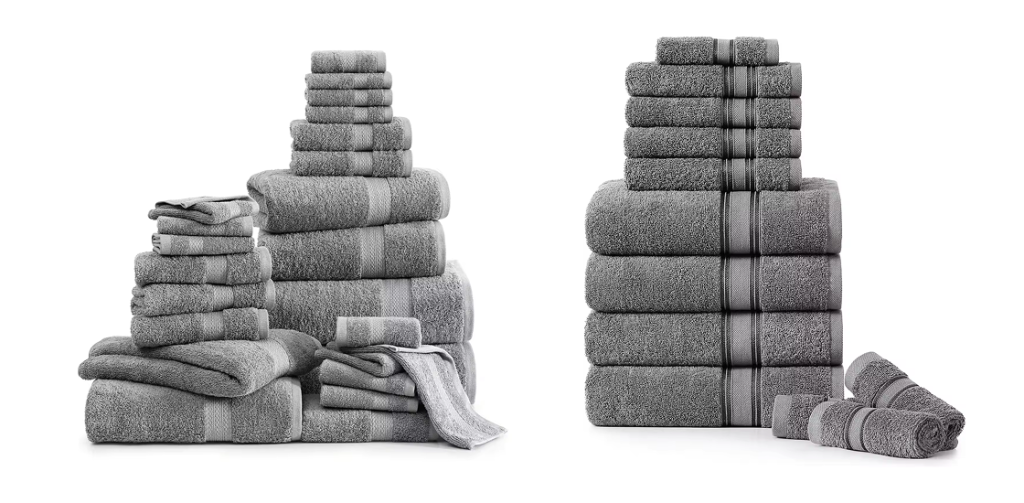
- Bundled sets — bath towel + hand towel + face cloth combinations tend to outperform single-item sales because they read as better value
Color and Size Strategy
Stick to a mostly-neutral palette — white, grey, and beige consistently sell across both residential and commercial buyers because they’re easy to match and easy to bleach-clean in commercial settings. A smaller rotation of wholesale throws or seasonal colors can round out a retail line without complicating your core inventory.
For sizing, offering both a standard and an oversized option widens your addressable customer base without meaningfully increasing SKU complexity.
Sourcing for Hotels and Hospitality Buyers
Hospitality buyers should prioritize durability and batch consistency over the lowest unit price, because commercial laundering cycles expose weak fabric and inconsistent quality far faster than household use does.
Two things matter more in hospitality sourcing than in general retail:
- Durability under frequent washing. Hotel linens go through daily or near-daily commercial wash cycles. A towel that looks fine in a showroom can fail after 30–40 industrial washes if the cotton quality or stitching isn’t built for it.
- Batch-to-batch consistency. Guests expect the same towel experience in every room, every stay. That requires a supplier with standardized production — not just a good first sample.
If a supplier can’t speak to their wash-cycle durability testing or batch consistency process, ask directly before signing a bulk order. This is also where working with a manufacturer that follows a commercial hotel fabric guide approach — controlling production from yarn to packaging rather than reselling — tends to reduce the variation that causes guest complaints.
Pricing and Margin Strategy for Wholesale Buyers
The strongest bath linen pricing strategy pairs a budget tier for price-sensitive customers with a premium tier that protects margin — not a single price point stretched across every buyer.
- Budget tier: lower GSM, simpler packaging, priced to compete on volume
- Premium tier: higher GSM, long-staple cotton, positioned for higher margin and brand differentiation
Cutting quality to hit a lower price point often backfires — lower-quality towels tend to generate more returns and lower repeat-purchase rates, which erodes the margin gain almost immediately. A supplier who can produce consistently at both tiers lets you serve the full range of your customer base without splitting your sourcing across multiple vendors.
Packaging, Presentation, and Retail Conversion
Well-packaged towel sets increase perceived value and reduce the explaining a sales associate (or a product page) has to do. Retailers building out a luxury bath sets line often find that clear labeling of GSM, fiber type, and care instructions helps customers self-select the right product without guesswork — which matters both in-store and for online conversion, where customers can’t physically feel the towel before buying.
Inventory Planning for a Year-Round Category
Bath linen sells consistently across the year, but demand still spikes around gifting seasons and promotional periods. Planning inventory a few months ahead of those windows — rather than reordering reactively — helps you avoid both stockouts and the markdown pressure of overstocking after a slow season.
Quality Control: What to Ask Your Supplier
Consistency, not a single good sample, is what protects you from returns and customer complaints at scale. Before committing to a bulk bedding supplier order, confirm:
- Whether the supplier controls production end-to-end (yarn to packaging) or outsources stages
- Whether fabric is independently certified (OEKO-TEX Standard 100 or equivalent) as free of harmful substances
- Whether batches are tested for consistency before shipping
- What their process is if a batch doesn’t match the agreed specification
A supplier who answers these clearly — with documentation, not just reassurance — is a stronger long-term partner than one offering the lowest quoted price.
Scaling Your Bath Linen Sourcing
As order volume grows, the priorities shift from “can this supplier deliver a good product” to “can this supplier deliver the same good product reliably, at speed.” That means evaluating warehousing solutions for fulfillment, production capacity, and communication responsiveness — not just unit pricing — before you commit to a supplier as you scale.
Suppliers warehoused on both sides of the Canada–US border, for example, are generally better positioned to fulfill reorders quickly than one relying on cross-border shipping for every order.
Sustainability Considerations
A growing share of customers now factor environmental responsibility into purchasing decisions, even if it isn’t their primary driver. OEKO-TEX certification and transparent sourcing practices are two concrete signals you can point to — rather than vague “eco-friendly” marketing claims — if sustainability is part of your brand positioning.
Frequently Asked Questions
What GSM should I choose for different customer segments?
Lower GSM towels (300–400) dry quickly and suit gyms or budget-focused segments. Higher GSM towels (600+) feel thicker and more luxurious, which fits retail and hospitality positioning. Stocking a mid-range option in between lets you serve most customers without expanding your SKU count too far.
How should I bundle bath linen for retail?
Coordinated sets — typically a bath towel, hand towel, and face cloth — increase perceived value and simplify the buying decision compared to selling single items. Clean, organized packaging with visible fiber and GSM details improves shelf appeal and tends to raise average order value both in-store and online.
How do I ensure consistent quality across bulk orders?
Work with a supplier who controls production from raw fiber to finished packaging, request samples before large orders, and confirm their batch-testing process in writing. Spot-checking deliveries against your agreed specification is a simple habit that catches inconsistencies before they reach customers.
Are white towels still the best default for wholesale buyers?
White remains the most reliable choice for hotels and spas because it signals cleanliness and is easy to bleach in commercial laundering. That said, adding a limited range of neutral colors (grey, beige) can help you serve retail customers who want more style variety without complicating your core inventory.
What should I look for when scaling a bath linen business?
Focus on supplier production capacity, warehousing locations, and communication reliability — not just price. As order volume grows, demand forecasting and having a supplier who can maintain consistent quality at higher volume matter more than they do at small scale.
Is long-staple cotton worth the higher cost for wholesale buyers?
For most commercial and premium retail use cases, yes — long-staple cotton resists pilling and holds softness longer under repeated washing, which reduces replacement frequency and return rates over time. For strictly budget-tier products, a shorter-staple or blended cotton can still be an appropriate lower-cost option.
How does OEKO-TEX certification matter for bath linen sourcing?
OEKO-TEX Standard 100 certification confirms that a fabric has been independently tested and found free of harmful substances at levels that could affect health. For wholesale buyers, it’s a verifiable trust signal you can pass along to your own customers, rather than an unverifiable marketing claim.
What’s the difference between sourcing for hospitality versus general retail?
Hospitality buyers need to prioritize durability under frequent commercial washing and strict batch-to-batch consistency, since guests expect an identical experience every stay. General retail buyers can prioritize a broader style and price range, since household laundering is less frequent and less demanding on fabric than commercial cycles.