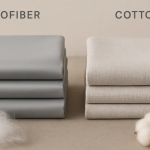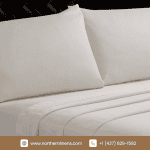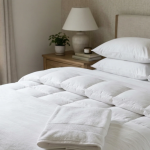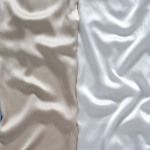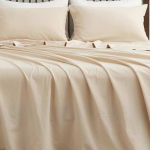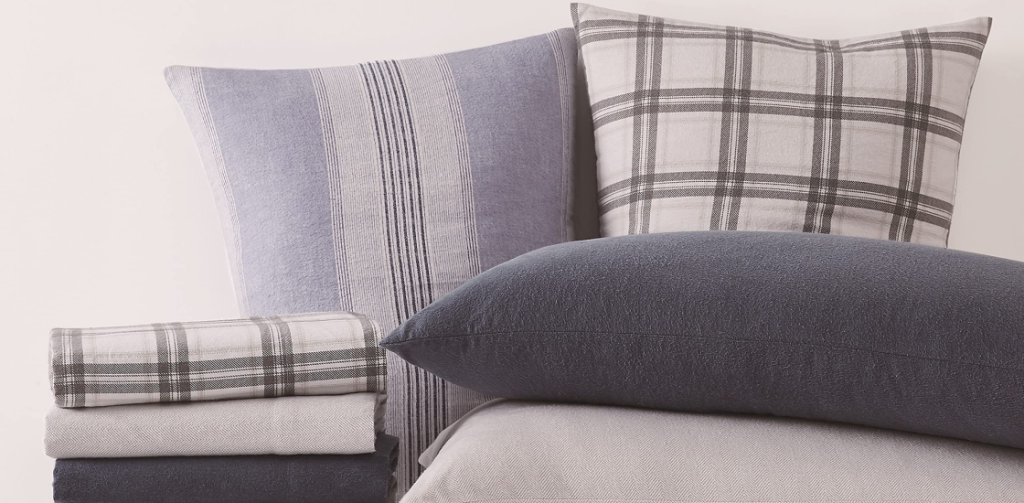
Linen and flannel pillowcases give hospitality bedding programs a way to match guest comfort to the season, with linen offering breathable, moisture-wicking cooling for warm months and flannel providing brushed, insulating warmth for cold weather. Rotating between the two, rather than running one fabric year-round, is a common approach for properties that experience meaningful seasonal temperature swings.
For hotel operations teams and procurement managers, seasonal fabric rotation is less about novelty and more about guest comfort and linen longevity. This guide breaks down what each fabric offers, how to plan a rotation without disrupting operations, and what to check before sourcing either fabric in bulk.
Linen Pillowcases: What They Are and How They Perform
Linen pillowcases are made from flax fibers, giving the fabric a naturally breathable, moisture-wicking structure that suits warm-weather use. The fabric has a crisp, textured feel when new and softens noticeably with repeated washing, which is part of why guests often associate it with a relaxed, elevated aesthetic.
Linen Properties and Performance
| Attribute | Detail |
|---|---|
| Fiber source | Flax plant stalks |
| Breathability | High, promotes active airflow |
| Hand-feel | Crisp initially, softens with industrial washing |
| Aesthetic | Relaxed, textured, suited to boutique and luxury properties |
| Hypoallergenic properties | Naturally resists dust mites and common allergens |
| Durability | Generally stronger fiber than standard cotton |
| Maintenance | Requires careful laundering to manage wrinkling and preserve fiber strength |
Linen’s biggest advantage in hospitality settings is temperature regulation. The fiber structure allows air to move through the fabric more freely than tighter weaves, which keeps the pillowcase surface cooler against the skin during warm months. This makes linen a strong fit for warm-climate properties or seasonal summer programs in temperate regions.
The tradeoff is maintenance. Linen wrinkles more visibly than cotton or synthetic blends, and commercial laundering at scale can accelerate fiber wear if wash cycles are not managed carefully.
[INTERNAL LINK: suggested anchor text “pillowcases and pillows”]
Flannel Pillowcases: What They Are and How They Perform
Flannel pillowcases are made from brushed cotton, a construction process that raises short fibers on the fabric surface to trap ambient body heat. This gives flannel its signature plush, warm feel, making it a natural fit for cold-weather bedding programs.
Flannel Properties and Performance
| Attribute | Detail |
|---|---|
| Fiber source | Brushed cotton |
| Warmth | Traps ambient body heat for a warmer sleep surface |
| Hand-feel | Plush, fuzzy, warm against the skin |
| Aesthetic | Cozy, inviting, suited to mountain lodges, ski properties, and winter cabins |
| Durability concern | Prone to pilling over repeated wash cycles |
| Maintenance | Requires gentler commercial wash cycles than standard cotton |
Flannel’s main strength is guest comfort in cold-weather settings. Properties in mountain, ski, or northern climates often see flannel bedding as part of the seasonal experience guests expect, not just a functional upgrade.
The tradeoff is pilling. Flannel’s brushed surface is more prone to small fiber balls forming after repeated commercial washing, which affects appearance over time and typically shortens the fabric’s usable life compared to more tightly woven materials.
[INTERNAL LINK: suggested anchor text “blankets and throws”]
Linen vs Flannel: Choosing the Right Fabric by Season and Property Type
Neither fabric is a universal answer. The right choice depends on climate, property type, and guest expectations.
| Factor | Linen | Flannel |
|---|---|---|
| Best season | Warm weather | Cold weather |
| Best property type | Boutique, luxury, warm-climate hotels | Mountain lodges, ski resorts, winter cabins |
| Guest experience | Relaxed, breathable, elevated feel | Cozy, warm, inviting feel |
| Laundering demands | Careful handling to reduce wrinkling and fiber wear | Gentle cycles to reduce pilling |
| Typical use case | Year-round in warm climates, or seasonal summer rotation | Seasonal winter rotation, or year-round in cold climates |
Properties in climates with distinct seasons often see the most value in stocking both fabrics and rotating inventory rather than committing to one year-round.
How to Plan a Seasonal Fabric Rotation
A seasonal rotation program works best when it is planned around a set schedule rather than reacting to weather changes as they happen. Here is a straightforward approach hospitality buyers can follow.
- Set a rotation schedule. Most properties swap inventory on a bi-annual basis, timed to local climate shifts rather than a fixed calendar date.
- Confirm storage conditions. Off-season stock should be stored in a climate-controlled, pest-free linen room to prevent fiber damage or moisture buildup.
- Stagger the changeover. Rotate a portion of guest rooms at a time rather than switching an entire property’s inventory in a single day, which reduces the operational disruption of a full changeover.
- Track wear by season. Since linen and flannel have different durability concerns, log wear patterns separately so replacement timing is based on the fabric’s actual performance rather than a single blended estimate.
- Communicate with housekeeping and laundry teams. Seasonal fabrics often require different wash settings, so operations staff need clear guidance before the changeover, not after issues appear.
How Northern Linens’ Team Handles This
Our Warehousing and Distribution team is set up to support seasonal restocking cycles, so hotel groups planning a bi-annual rotation are not left waiting on a single large order to cover both seasons. Our Wholesale Account Management team can help plan order timing around a property’s actual seasonal shift, and our Quality Control team runs batch testing before shipment so linen and flannel inventory arrives consistent from one rotation to the next.
Durability Strategies for Commercial Laundering
Both linen and flannel face specific wear challenges under the repeated wash cycles hotel laundering requires. A few strategies help extend the usable life of each fabric.
For linen:
- Use cooler wash temperatures and avoid high-heat drying, which accelerates fiber breakdown
- Consider a linen-cotton blend to reduce severe wrinkling in commercial laundry settings
- Separate linen from rougher fabrics during washing to reduce abrasion
For flannel:
- Use gentler wash cycles to reduce pilling
- Avoid overloading washers, since crowding increases fabric-on-fabric friction
- Inspect for early pilling signs during regular linen audits, rather than waiting for guest complaints
How Northern Linens’ Team Handles This
Our Production and Manufacturing team sources fabric with commercial laundering demands in mind, rather than optimizing purely for a retail hand-feel that may not hold up to hotel-scale wash cycles. Where blended construction helps reduce wrinkling or pilling for a specific property’s needs, our team can discuss blend ratios directly with the buyer during the sourcing conversation.
What to Check Before Sourcing Linen or Flannel Pillowcases in Bulk
Before placing a bulk order for either fabric, confirm the following with your supplier.
- Fiber quality and construction. Ask about staple length and weave or brushing quality, since lower-quality construction affects both feel and durability.
- Certification documentation. Look for OEKO-TEX certification, which verifies the textile has been tested for harmful substances.
- Minimum order quantities. Confirm whether the supplier can support a seasonal rotation model, which often means two separate orders per year rather than one large annual order.
- Batch consistency. Ask how the supplier controls for color and texture variation between production runs, especially important when reordering the same fabric across multiple seasons.
- Private label options. If branding matters to your guest experience, confirm whether custom labeling or packaging is available.
- Regional fulfillment timing. For multi-property groups managing a rotation schedule, confirm the supplier’s regional warehousing can support the timing your changeover requires.
How Northern Linens Simplifies Seasonal Fabric Sourcing for Hospitality
Running a seasonal bedding program means managing two fabric types, two rotation windows, and the operational coordination that comes with both, which is where many hospitality buyers run into supplier gaps. Northern Linens is structured to support that kind of ongoing, seasonal relationship rather than a single one-time order.
With OEKO-TEX certification currently held, in-house quality checks before every shipment, batch-tested products, flexible MOQs, and warehouses in Canada and the USA for regional fulfillment, our team is built to support a bi-annual linen and flannel rotation across a single property or a multi-property portfolio.
[INTERNAL LINK: suggested anchor text “request wholesale linen and flannel pillowcase samples and pricing”]
Frequently Asked Questions
Are linen pillowcases good for hotels?
Yes, particularly for boutique and luxury properties in warm climates. Linen offers strong breathability and moisture-wicking performance, along with a textured, relaxed aesthetic that many guests associate with an elevated stay, though it requires more careful laundering than standard cotton.
Do flannel pillowcases pill over time?
Yes, flannel is more prone to pilling than tightly woven fabrics due to its brushed surface. Using gentler commercial wash cycles and avoiding overloaded washers helps reduce pilling, but properties should expect flannel to show wear sooner than some other fabric options.
How often should hotels rotate seasonal bedding fabrics?
Most properties rotate seasonal fabric inventory on a bi-annual basis, timed to local climate shifts rather than a fixed calendar date. The right frequency depends on how distinct a property’s seasonal temperature changes are.
Can linen and cotton be blended to reduce wrinkling?
Yes. Linen-cotton blends are a common way to reduce the severe wrinkling associated with pure linen while retaining much of its breathability, which can make commercial laundering more manageable for hotel operations.
What is the best pillowcase fabric for a cold-climate hotel?
Flannel is generally the preferred choice for cold-climate or seasonal winter properties due to its heat-trapping, brushed cotton construction. Some properties use flannel year-round if the climate stays cold most of the year, rather than rotating seasonally.
How should off-season linen and flannel inventory be stored?
Off-season stock should be stored in a climate-controlled, pest-free linen room to prevent moisture damage, fiber degradation, or pest-related loss during the months the fabric is not in active rotation.
Can I order both linen and flannel pillowcases from the same wholesale supplier?
Yes. Suppliers that carry a full range of bedding fabrics, including Northern Linens, can typically support both fabric types under one wholesale relationship, which simplifies coordinating a seasonal rotation compared to sourcing each fabric separately.