Premium linen suits student accommodation where bedding is professionally laundered and the residence competes on quality. Where students wash their own sheets in shared machines, linen’s care requirements are rarely met and a cotton specification usually returns more. The laundry model decides this, not the room type.
Premium linen belongs in some student accommodation and not in most of it. Where a residence launders bedding professionally and markets itself on quality, linen delivers breathability, longevity and a look that photographs well for recruitment. Where students wash their own sheets in shared coin-operated machines on whatever cycle is free, the care linen needs is not going to happen, and the premium buys little that survives the first term.
The decision therefore turns on who does the laundry, not on what the building is called. This guide covers how the laundry model shapes the specification, what premium actually means in linen, where flax outperforms cotton and where it does not, getting Twin XL sizing and pocket depth right, and how to run a pilot before committing across a residence. Property managers and institutional buyers outside campus housing will find the same logic applies to any high-turnover accommodation.
The Laundry Model Decides The Specification
Student accommodation covers three very different operations, and the same building can contain more than one. Establish which applies before comparing fabrics.
Students Launder Their Own Bedding
Common in traditional residence halls where students bring or are issued sheets and wash them in shared machines. Cycles are chosen by whoever is in a hurry, temperatures and detergents vary, and nothing is sorted by fabric.
Linen’s longevity depends on being washed and dried gently. In this environment that will not happen consistently, and specifying premium linen means paying for a property the operation cannot protect. A durable cotton or cotton blend is the better use of the budget.
The Residence Launders Centrally
Furnished private student accommodation, serviced student apartments and residences with in-house housekeeping run a controlled laundry. Programs can be set, fabric can be sorted, and temperatures are known.
This is where linen works. The operation can meet the care requirements, and the durability that flax offers under gentle handling starts to show up as a longer replacement cycle.
The Residence Operates As Accommodation Out Of Term
Many Canadian universities run summer conference, visitor and event accommodation in their residences. Those weeks are a hospitality operation with hospitality expectations, professional laundering and a guest paying a nightly rate.
Linen is a strong fit for this stock specifically. Residences frequently hold a separate, better specification for summer rooms, and treating that as a distinct linen program rather than an upgrade to the whole building is usually the more affordable route to a premium offer.
| Operation | Specification that usually fits |
|---|---|
| Students launder their own bedding | Durable cotton or cotton blend |
| Central housekeeping, in-house laundry | Premium linen viable |
| Outsourced laundry running one program | Confirm the program before specifying linen |
| Summer conference and visitor rooms | Premium linen |
| Graduate, faculty and guest suites | Premium linen |
| Show suites and recruitment tour rooms | Premium linen, small quantity |
Info: Ask the laundry provider, in-house or contracted, whether they can run a separate program for one linen stream and what it costs. If the answer is no, the most demanding stream sets the specification for the whole building.
What Premium Means In Linen
Linen is graded differently from cotton, and buyers applying cotton logic to it will compare the wrong numbers.
Fabric Weight, Not Thread Count
Thread count is not a useful measure for linen. Flax yarns are thicker and less uniform than cotton yarns, so a count that would indicate a coarse cotton describes a sound linen.
The figure to compare is GSM, grams per square metre, which measures how much fibre is actually in the fabric. Linen sheeting commonly falls between 150 and 200 GSM. Lighter fabrics feel airier and wear through sooner. Heavier fabrics last longer and take more energy to dry, which matters at institutional volume.
Rather than treating any figure as correct, ask each supplier for GSM and compare like for like, then judge the samples against the rooms they are going into.
Fibre Origin And Certification
European Flax certification traces fibre to flax grown in Western Europe under defined agricultural standards. It verifies origin and growing practice rather than finished fabric quality, which is a meaningful distinction when comparing quotes.
OEKO-TEX Standard 100 tests the finished textile for substances harmful to health. The two certifications answer different questions and a supplier may hold one, both or neither.
Stonewashed Or Raw
Raw linen leaves the loom stiff and needs repeated washing, commonly cited as 10 to 15 cycles, before it softens into something a resident would describe as comfortable.
Stonewashed or pre-softened linen has been through that process at the mill and arrives soft. For any accommodation putting sheets straight into service, stonewashed is the practical choice. Raw linen delivered to a residence in August will feel unpleasant through the first weeks of term, which is precisely when new residents form an impression of the room.
Where Linen Outperforms Cotton, And Where It Does Not
Buyers are often told linen is more durable than cotton without qualification. The reality is more specific and worth understanding before a large order.
What Flax Does Well
- Breathability and moisture handling. Linen moves moisture quickly and dries fast, which suits rooms with limited ventilation or inconsistent heating.
- Wet strength. Flax is strong and, like cotton, does not weaken when saturated, so washing itself is not what damages it.
- Longevity under gentle care. Linen that is washed and dried appropriately keeps its integrity for a long time and softens rather than degrading.
- Appearance. The texture reads as considered and photographs well, which matters for recruitment material and viewings.
Where Cotton Is The Safer Choice
- Repeated creasing. Flax fibres resist abrasion well across a surface but tolerate repeated folding at the same crease poorly. Par stock folded identically and stored for months develops weakness along those lines.
- High-heat drying. Hot drying shortens linen’s life noticeably, and institutional dryers are often run hot to clear volume.
- Wrinkling. Linen is expected to look relaxed, which suits a boutique aesthetic and reads as unmade in a residence marketed on tidiness.
- Replacement cost on loss. Student accommodation loses linen. Where loss rates are high, a lower unit cost matters more than a longer potential lifespan.
Note: Rotate the fold line when storing linen par stock, and avoid pressing a permanent crease into stored sheets. It costs nothing and addresses the one durability weakness flax genuinely has.
Sizing For Residence Mattresses
Ordering the wrong size is the most expensive avoidable error in campus bedding, and it is common because the error only appears on delivery.
Twin XL Is The Campus Standard
Most Canadian student residences use Twin XL mattresses, measuring 38 by 80 inches, rather than standard Twin at 38 by 75. The five inch difference is invisible on a spec sheet and obvious on a bed, where a Twin fitted sheet will not reach the corners of a Twin XL mattress.
Do not assume uniformity across a campus. Older buildings, renovated floors and accessible rooms frequently hold different sizes, and a residence that standardized its mattresses five years ago may have replaced a wing since. Measure a sample of beds in every building before ordering.
Pocket Depth With Toppers
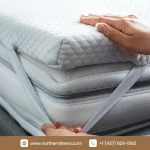
Many residences add mattress toppers or protectors, each adding depth that a fitted sheet must accommodate. Measure the full stack as it sits in the room, then specify a pocket depth with margin so the elastic grips beneath the corner rather than straining across it.
Sheets that pop off overnight generate complaints and get replaced early even when the fabric is sound.
Making Linen Work In An Institutional Laundry
Linen’s care requirements and institutional laundry practice pull in opposite directions. Where a residence wants linen, the gap has to be managed rather than ignored.
Get the supplier’s stated wash and dry parameters for the specific fabric in writing, since these vary between products and a general rule about linen will not match every weave and finish. Then compare them against what your laundry actually runs, which is often hotter and longer than policy states.
Three adjustments make the difference where they are possible:
- Reduce drying temperature and time. Over-drying does more damage to linen than washing does, and fabric left tumbling after it is dry takes abrasion for no benefit.
- Separate the linen stream. If premium linen is only in summer rooms or guest suites, keep it out of the general residence wash entirely.
- Brief housekeeping on the finish. Linen is not meant to look pressed. Staff attempting to iron it flat waste time and create creases in a fabric that does not hold them well.
If none of these are achievable, that is useful information. A residence that cannot separate a linen stream or control drying temperature should specify cotton and spend the difference elsewhere.
Piloting And Buying Across A Residence
Test before a building-wide commitment. Put sample sets into a small number of occupied rooms and run them through the actual laundry at its real settings for at least 20 cycles, measuring shrinkage, fit on the real mattresses, surface condition and colour against an unwashed control set. Our guide to cooling bamboo sheet sets sets out the trial protocol in full.
A student housing pilot should also capture two things a hospitality trial does not. Ask residence life staff what students said about the bedding unprompted, and count how many sets came back damaged or did not come back at all. Loss and damage rates in student accommodation change the cost per use calculation more than fabric performance does.
When comparing suppliers, ask:
- What is the GSM, and what certifications does the fabric hold?
- Is the linen stonewashed or raw, and how many cycles before it softens?
- What are the stated wash and dry parameters for this specific fabric?
- What is the minimum order quantity, and does it change on reorders?
- Is an approved specification retained so future orders match the one signed off?
- Can you supply Twin XL and deep pocket depths as standard?
- Where is stock warehoused, and what are lead times ahead of a move-in date?
That last question carries weight in campus housing. Residence turnover happens in a fixed window each year, and a supplier who cannot deliver before move-in has failed regardless of how good the fabric is.
Final Thoughts
Linen earns its place where the operation can look after it. Central housekeeping, summer conference stock, guest suites and show rooms all meet that test, and in those settings flax delivers breathability, a long life and an appearance that supports how a residence presents itself. Where students launder their own bedding on whatever cycle is free, the care linen needs will not happen and a durable cotton returns more per dollar.
Compare linen on fabric weight rather than thread count, and ask whether it is stonewashed or raw before it reaches a room in August. Confirm wash and dry parameters for the specific fabric rather than relying on general advice, and measure mattresses in every building, since Twin XL is standard but rarely universal.
Northern Linens manufactures in house, holds approved specifications between orders and supplies Twin XL with deep pockets. Request samples and pilot them in your own rooms.
Frequently Asked Questions
Are Linen Sheets Suitable For Student Residences?
It depends on who launders them. Where housekeeping runs a controlled laundry, or in summer conference and guest suites, linen performs well. Where students wash their own bedding in shared machines on unpredictable cycles, the care linen required is unlikely to happen and cotton is the safer specification.
What GSM Should Linen Sheets Be For Student Housing?
Linen sheeting commonly falls between 150 and 200 GSM, and there is no single correct figure. Lighter fabrics feel airier and wear through sooner, while heavier fabrics last longer and cost more to dry at volume. Compare GSM between suppliers and judge samples against the rooms.
Is Thread Count Useful For Comparing Linen Sheets?
No. Thread count was developed for cotton, and flax yarns are thicker and less uniform, so a count that would suggest a coarse cotton describes a sound linen. Fabric weight in GSM is the measure that indicates how much fibre is actually in the fabric.
What Size Sheets Do Canadian Student Residences Need?
Most use Twin XL, measuring 38 by 80 inches, rather than standard Twin at 38 by 75. Campuses are rarely uniform, since older buildings, renovated floors and accessible rooms often differ, so a sample of beds in each building should be measured before ordering.
What Is The Difference Between Stonewashed And Raw Linen?
Raw linen leaves the loom stiff and needs repeated washing, commonly cited as 10 to 15 cycles, before it softens. Stonewashed linen has been through that process at the mill and arrives soft, which suits any accommodation putting sheets straight into service at the start of term.
Is Linen More Durable Than Cotton For Student Housing?
Not universally. Flax is strong and lasts well under gentle care, but it tolerates repeated folding at the same crease poorly and high-heat drying shortens its life. In operations with hot dryers, inconsistent washing or high loss rates, cotton usually delivers a better cost per use.