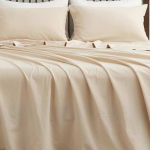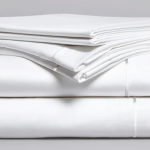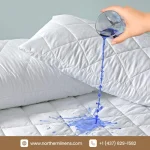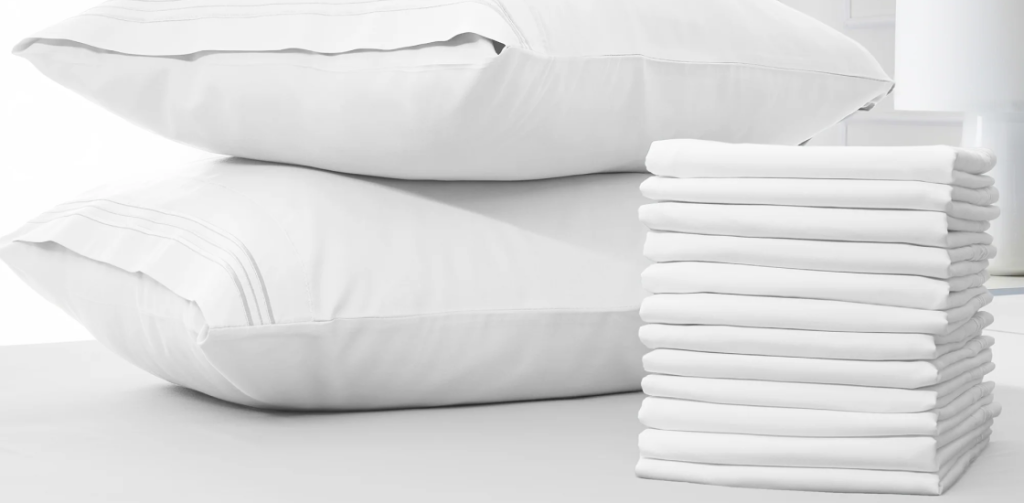
A pillowcase protector is a zippered or closure-fitted inner cover placed directly over a pillow, worn underneath the decorative pillowcase a guest actually touches. It blocks sweat, body oils, skin cells, and spills from reaching the pillow core, which lets a property launder the lightweight outer pillowcase after every guest while washing the heavier protector on a much longer cycle.
For hospitality buyers, that separation matters more than it sounds. Pillow cores are expensive to replace and slow to dry after commercial washing, so protecting them from daily wear directly affects both guest hygiene standards and a property’s linen budget. This guide covers how protectors work, which materials and closures fit different hospitality needs, and how to buy them at bulk quantities without running into fabric or fulfillment inconsistencies.
What Does a Pillow Protector Actually Do?
A pillow protector’s job is to sit between the pillow core and the pillowcase, sealing out moisture, oils, and dust before they can soak into the filling. Once fluids or oils reach a pillow’s core, only a full commercial wash can remove them, and repeated heavy washing shortens the life of the fill material itself.
Pillowcase vs. pillow protector: what each layer actually does
| Function | Pillowcase | Pillow Protector |
|---|---|---|
| Touches the guest’s face | Yes, directly | No, stays hidden underneath |
| Primary job | Softness and presentation | Barrier against sweat, oils, and spills |
| Wash frequency | After every guest stay | Monthly, quarterly, or during deep cleans |
| Closure | Open-ended or simple hem | Zippered or fully enclosed |
Why this separation matters for a hospitality operation:
- Hygiene control. Sweat, skin oils, and spills get trapped at the protector layer instead of working into the pillow filling, where a standard wash cycle can’t fully reach.
- Cost control. Replacing a protector is far cheaper than replacing a pillow, so protectors reduce how often pillow cores need to be swapped out entirely.
- Lighter laundry loads. Protectors are lighter and dry faster than saturated pillow cores, which reduces strain on commercial laundry equipment during high-occupancy periods.
Choosing the Right Material for Hotel Pillow Protectors
The right protector material depends on whether a property prioritizes industrial wash durability or a softer feel for guests who might notice the layer beneath their pillowcase. Most hospitality buyers choose between polycotton blends and 100% cotton, with the decision usually coming down to laundry volume and budget.
| Material | Best For | Trade-off |
|---|---|---|
| Polycotton blend | High-volume properties running frequent industrial wash cycles | More durable under repeated heavy washing, less breathable than pure cotton |
| 100% cotton | Properties emphasizing guest comfort and a natural feel | Softer and more breathable, generally needs gentler laundering to maintain lifespan |
Waterproof or fluid-resistant linings are also worth considering for properties that want extra protection against spills, particularly in rooms with higher turnover or guests likely to eat or drink in bed. A waterproof lining adds a barrier layer but can affect breathability, so it’s worth weighing against guest comfort expectations for the property’s tier.
Closure Styles: Zippered vs. French-Fold Hood
The closure style on a pillow protector affects both how well it seals against allergens and how quickly housekeeping staff can change it between stays. The two most common styles in hospitality settings are zippered closures and French-fold (envelope-style) hoods.
Zippered closures:
- Fully enclose the pillow, sealing all sides against dust mites and allergens
- Best choice for properties emphasizing hypoallergenic bedding programs
- Look for rust-proof zippers, since standard metal zippers can corrode after repeated industrial washing
French-fold hoods:
- An open-ended, envelope-style closure that slips over the pillow without a zipper
- Faster for housekeeping staff to change during quick turnovers
- Less sealed than a zippered style, so slightly less effective against fine dust and allergens
Properties running a high-turnover, budget-conscious operation often lean toward French-fold styles for speed, while properties marketing wellness or allergy-friendly stays tend to prioritize zippered protectors for the more complete seal.
King Size Pillow Case Covers: What’s Different
King size pillow case covers need to match the larger standard king pillow dimensions used across most North American hospitality properties, and buying mismatched sizing across a property’s inventory creates a visible inconsistency guests notice quickly. Confirming exact dimensions against your property’s actual pillow stock, rather than assuming a single “king” standard fits every pillow brand, prevents a mismatch once a bulk order arrives.
When ordering king pillow case covers or protectors in bulk, confirm:
- Exact pillow dimensions currently in use across the property (king sizing can vary slightly between pillow manufacturers)
- Whether the property needs a uniform closure style across all rooms, or a mix based on room tier
- Fabric weight and feel consistency across the full order, especially when replenishing an existing inventory rather than starting fresh
How Northern Linens’ Team Handles This
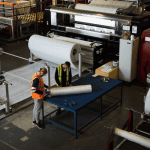
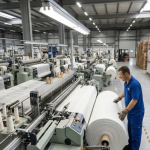
A common issue hospitality buyers run into with bulk linen orders is a mismatch between what was ordered and what actually arrives, whether that’s a sizing inconsistency or a fabric batch that feels slightly different from a previous shipment. Northern Linens’ Production & Manufacturing team runs in-house quality checks before every shipment, and products are batch-tested so a hotel group reordering king pillow case covers months later gets a consistent match to what’s already in their inventory.
For buyers who need something outside a standard catalog size or fabric weight, the Private Label & Custom Development team can work through SKU-level customization with flexible MOQs, so a property isn’t forced to over-order just to meet a minimum. This is designed to give hospitality buyers a dependable restocking cycle instead of guessing whether the next bulk order will actually match what’s already on the shelves.
Waterproof and Hypoallergenic Options: Do Hotels Need Them?
Waterproof and hypoallergenic pillow protectors solve two different problems, and a property doesn’t necessarily need both on every bed. Waterproofing addresses spills and fluid protection, while hypoallergenic construction addresses dust mites and allergens, so matching the feature to the actual risk keeps a property from over-specifying (and overpaying for) protection it doesn’t need everywhere.
When waterproof protectors make sense:
- Rooms with higher guest turnover where spills are more likely
- Properties near dining, pool, or bar areas where guests may bring drinks or food into the room
- Extended-stay or family-oriented properties where children are common guests
When hypoallergenic, tightly sealed protectors make sense:
- Wellness-focused or boutique properties marketing allergy-friendly stays
- Properties in regions with high dust or pollen exposure
- Any property that has received guest complaints related to allergens or dust sensitivity
A mixed inventory approach, standard protectors for most rooms with waterproof or hypoallergenic options reserved for specific room tiers, is common among larger hospitality groups managing cost against guest expectations across different property tiers.
Cotton, Microfiber, or Blended Fill: What’s Inside the Protector Matters Too
The fill and shell material inside a pillow protector affects how it feels to sleep on top of, even though the protector itself stays hidden under the pillowcase. A stiff or crinkly protector fabric can be felt by a light sleeper even through a pillowcase, which is worth testing with a sample before committing to a full bulk order.
Fabric feel considerations for hospitality buyers:
- Cotton shells tend to feel the most natural and breathable, closest to a standard pillowcase
- Microfiber and polycotton blends are more durable under heavy industrial washing but can feel slightly stiffer, especially in cheaper constructions
- Quilted protectors add a layer of cushioning but increase bulk, which some properties prefer for a plusher pillow feel and others avoid to keep pillows from feeling overstuffed
Requesting a physical sample before a bulk order, rather than relying on a product description alone, is the most reliable way to confirm a fabric feel matches what a property’s guests expect.
How Often Should Hotels Replace Pillow Protectors?
Pillow protectors wear out well before a pillow core does, since they absorb the direct impact of sweat, oils, and repeated industrial washing. Many hospitality operations work on a replacement rhythm tied to visible wear, fabric thinning, or reduced barrier performance rather than a single fixed date, though checking protectors on a set inspection schedule (for example, during seasonal deep cleans) helps catch this before it becomes a guest-facing issue.
Signs a protector needs replacing:
- Visible thinning or fraying of the fabric
- Zipper no longer closing fully or securely
- Staining that persists after a standard wash cycle
- A noticeable change in texture or stiffness after repeated industrial laundering
Building protector replacement into a property’s regular linen inspection cycle, rather than waiting for a visible failure, keeps guest-facing bedding consistent across an entire property.
Buying Pillow Protectors in Bulk: What Hospitality Buyers Should Ask
Sourcing pillow protectors at hotel scale is different from a single retail purchase, since consistency across hundreds or thousands of units matters as much as the initial sample quality. A supplier that can’t confirm fabric consistency, minimum order flexibility, and regional fulfillment speed creates real operational risk for a property relying on predictable restocking.
Questions worth asking a wholesale supplier before placing a bulk order:
- Can they confirm exact fabric composition and OEKO-TEX or similar certification status for every batch?
- What is their minimum order quantity, and can it flex for a smaller property or a first trial order?
- Do they warehouse regionally, or does every order ship from a single distant location?
- Can they support private label or custom branding if the property wants its own linen identity?
How Northern Linens’ Team Handles This
Hospitality buyers restocking linens across multiple properties often need fast turnaround without sacrificing the consistency they’ve already established with their existing inventory. Northern Linens maintains warehouses in Canada and the USA specifically to support fast regional fulfillment, so a hotel group with US and Canadian properties isn’t waiting on a single overseas shipment for every reorder. The Warehousing & Distribution team, working alongside Wholesale Account Management, is built to handle both routine restocking orders and more urgent, high-volume requests without requiring a buyer to renegotiate terms every time their needs shift.
Frequently Asked Questions
What is the difference between a pillowcase and a pillow protector?
A pillowcase is the decorative outer layer that touches a guest directly and gets laundered after every stay, while a pillow protector is a hidden inner layer, usually zippered, that shields the pillow core from sweat, oils, and spills. Protectors are washed far less frequently than pillowcases since they don’t need to be replaced for presentation.
Do hotels really need pillow protectors, or is a pillowcase enough?
A pillowcase alone doesn’t fully block moisture and oils from reaching a pillow’s core over time, since it’s changed for appearance rather than sealed against fluids. A pillow protector adds a dedicated barrier layer, which extends the usable life of the pillow core and supports a property’s hygiene standards between deep cleans.
What material is best for hotel pillow protectors?
Polycotton blends tend to hold up better under frequent industrial washing, making them a common choice for high-volume properties, while 100% cotton offers a softer feel that some properties prioritize for guest comfort. The right choice depends on a property’s laundry volume and where it sits on the budget-to-luxury spectrum.
How often should hotel pillow protectors be replaced?
Replacement timing depends on wear, not a single fixed date. Visible thinning, zipper failure, or persistent staining after washing are the clearest signs a protector needs replacing, and building this check into a property’s regular linen inspection cycle helps catch it before it affects guest experience.
What size pillow case covers do hotels typically need?
Most North American hospitality properties use standard or king pillow sizing, but exact dimensions can vary slightly between pillow manufacturers. Confirming actual pillow dimensions before placing a bulk order for king pillow case covers helps avoid a sizing mismatch across a property’s inventory.
Can pillow protectors be ordered with custom branding for a hotel group?
Yes, many wholesale suppliers, including Northern Linens, offer private label and custom development options with SKU-level customization for hospitality buyers who want their own linen identity. This typically requires working with a supplier’s custom development team directly to confirm fabric, sizing, and minimum order requirements.
What’s the difference between zippered and French-fold pillow protectors?
Zippered protectors fully enclose the pillow for a more complete seal against allergens and dust, while French-fold (envelope-style) protectors slip on without a zipper, making them faster for housekeeping to change during quick turnovers. The right choice depends on whether a property prioritizes allergen control or turnover speed.