Author name: fiaz_ezaccounts

Pillowcase Size Guide: Standard, Queen, King & Euro Dimensions for Hospitality Buyers
Bedding

Pillowcase Size Guide: Standard, Queen, King & Euro Dimensions for Hospitality Buyers

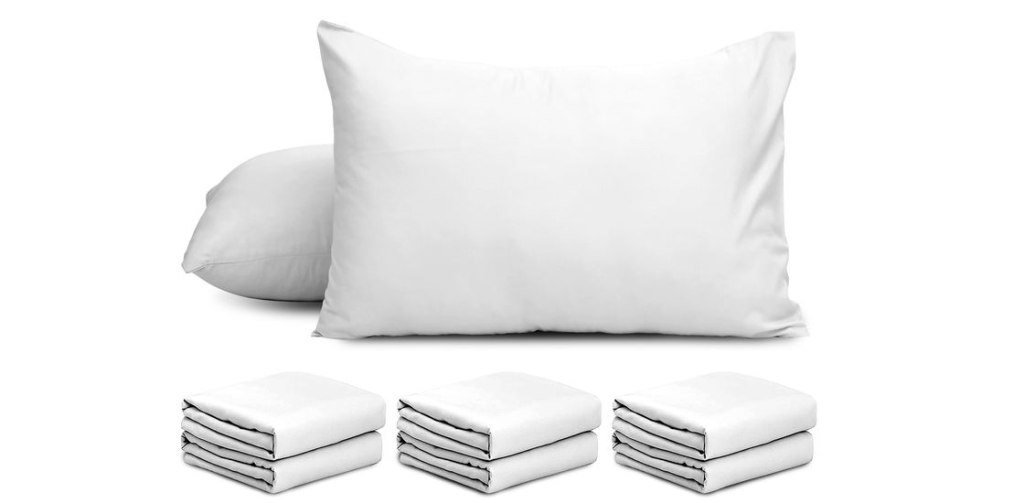
Pillowcase sizes follow a small set of industry-standard dimensions, but getting the fit right across a hotel property, rental portfolio, or retail assortment takes more than matching a single chart. Standard pillowcases measure 20 x 26 inches, queen pillowcases measure 20 x 30 inches, king pillowcases measure 20 x 36 inches, and euro pillowcases measure 26 x 26 inches. This guide breaks down every standard and specialty size, how they relate to your actual pillow inserts, and what bulk buyers need to know before placing a wholesale order. For hospitality buyers specifically, sizing mistakes are expensive at scale. A case that runs slightly tight across a thousand-unit order is not a minor inconvenience. It is a return, a re-order, or a guest-facing fit issue across an entire property. This guide is built around avoiding that. What Are the Standard Pillowcase Sizes? The four core pillowcase sizes used across North American hospitality and retail bedding are Standard, Queen, King, and Euro, each sized to match a common pillow insert category. Body and travel sizes cover specialty use cases like body-support pillows and compact travel inserts. Size Dimensions (inches) Dimensions (cm) Typical use Standard 20 x 26 51 x 66 Standard and full-size bed pillows, most common hotel guest room case Standard/Queen 20 x 30 51 x 76 Combination case sized to fit both standard and queen inserts Queen 20 x 30 51 x 76 Queen-size bed pillows, common in mid to upper-tier hotel programs King 20 x 36 51 x 91 King-size bed pillows, standard for king guest rooms and suites Euro/Euro Sham 26 x 26 66 x 66 Square decorative pillows, used for bed styling and shams in hospitality settings Body 20 x 54 51 x 137 Long-format body pillows Travel 12 x 16 or 14 x 20 30 x 41 or 36 x 51 Compact or neck-style pillows, common in boutique and travel-focused amenity lines These dimensions describe the finished case, not the raw fabric cut. Manufacturing always builds in seam allowance, so a 20 x 26 finished case starts from a larger cut of fabric before hemming and stitching. How Do Pillowcase Sizes Correspond to Pillow Insert Sizes? Pillowcases are cut slightly larger than the pillow insert they are meant to cover, since a case sized to the exact insert dimension will fit too tight and wear out faster from stretching. A well-fitted case typically runs one to a few inches longer than the insert it covers, which allows the pillow to move naturally without straining the seams. Pillow insert size Insert dimensions (inches) Matching pillowcase size Standard 20 x 26 Standard (20 x 26) Queen 20 x 30 Queen (20 x 30) King 20 x 36 King (20 x 36) Euro 26 x 26 Euro (26 x 26) Body 20 x 54 Body (20 x 54) For bulk buyers replacing cases across an existing pillow inventory, always confirm the actual insert dimensions on hand rather than assuming the label matches the industry standard. Insert sizing can vary slightly between manufacturers, which matters more at hospitality volume than it does for a single household order. How Do You Measure Existing Pillowcases Before Placing a Reorder? Measuring your current inventory before reordering is the single most reliable way to avoid a fit mismatch, since labeled sizes on older stock do not always match the finished dimensions of what you actually have on hand. A five-minute check across a handful of units can prevent a much larger problem across a full bulk order. Lay the pillowcase flat on a hard surface rather than measuring it on a bed or while it is on a pillow, since fabric can stretch or bunch and throw off the reading. Measure width first, corner to corner across the closed end, not including any seam allowance or closure flap. Measure length from the closed end to the open end, along the same flat surface, keeping the tape measure straight rather than following any natural fabric sag. Repeat on at least three to five units from different batches or purchase dates, since older inventory can show more size variation than a single new sample would suggest. Compare against the standard dimension table above, and note any consistent variation rather than a one-off outlier, since a consistent pattern usually points to a supplier or fabric difference worth flagging before you reorder. If your measurements consistently run outside standard tolerances, that is useful information to bring to any new supplier conversation, since it tells you whether you are matching against a true industry-standard case or a supplier’s own variation on it. What’s the Difference Between Standard and Queen Pillowcases? Standard and queen pillowcases share the same 20-inch width but differ in length, with standard measuring 26 inches and queen measuring 30 inches. That four-inch difference is enough to make a queen case fit loosely on a standard insert, and a standard case fit too tight on a queen insert. Many bedding programs solve this by stocking a combined Standard/Queen size at 20 x 30 inches, which fits both insert types with a bit of extra room on the standard pillow. This is a common simplification for hotel and rental operators who want to reduce the number of distinct SKUs they manage across housekeeping inventory, at the cost of a slightly looser fit on standard-size pillows. What Are Euro Pillowcases and When Do Hotels Use Them? Euro pillowcases are square cases, typically 26 x 26 inches, designed for the large decorative pillows used in bed styling rather than for sleeping. Hospitality properties use them most often in shams that sit behind the sleeping pillows during the day, giving a room a more finished, layered look for guest arrival. Euro shams are almost always closed with a back opening rather than the simple envelope closure used on standard sleeping cases, since they are handled and restyled by housekeeping more often than they are removed for laundering by a guest. What Closure Styles Matter for Hospitality Pillowcases? The closure style
Microfibre versus Cotton Sheets: Best Choices for Bulk Buy
Bedding

Microfibre versus Cotton Sheets: Best Choices for Bulk Buy

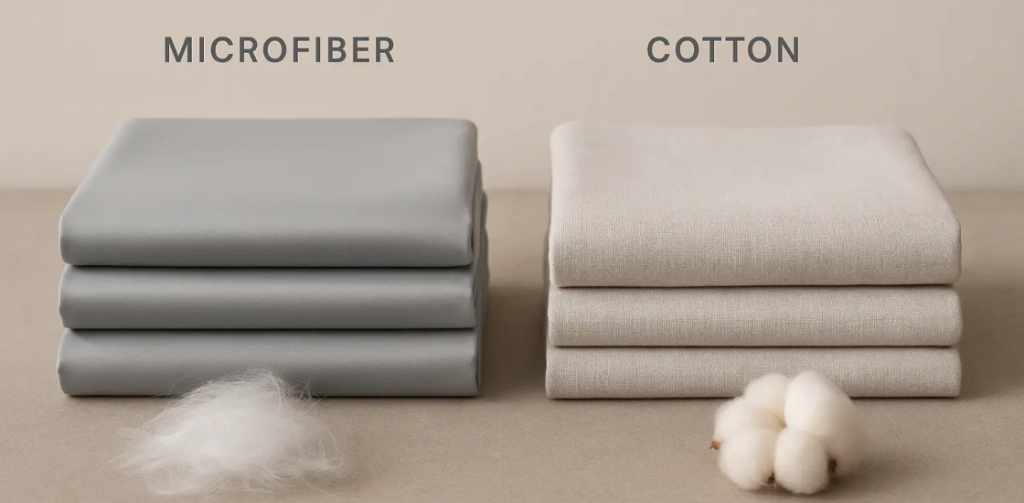
Every wholesale bedding buyer eventually hits the same fork in the road: microfibre or cotton? Both materials have loyal advocates, and both deliver real value in the right setting. The wrong choice for your buying context, though, can cost you money, drive up returns, and create operational headaches that compound with every order. Northern Linens is a wholesale bedding supplier and manufacturer serving retailers, hotels, Airbnb hosts, and commercial buyers across Canada and the United States. We stock both microfibre and cotton at wholesale depth, and we’re not here to push one over the other — we’re here to help you make the right call for your business, your guests or customers, and your margins. Microfibre vs. Cotton at a Glance There’s no single “better” material — the right one depends on your buyer type, climate, laundry cycle, and price point. Here’s how the two compare across the factors that matter most to bulk buyers: Factor Microfibre Cotton Wholesale cost Lower, more price-stable Higher, varies with cotton market Retail margin potential Moderate Higher, especially premium grades Commercial wash durability Strong across many cycles Varies by grade and thread count Breathability Lower, traps more heat Higher, natural moisture management Best climate fit Cooler or all-season Warmer climates, hot sleepers Best buyer fit Mid-scale hotels, Airbnb, high-turnover rentals Luxury hotels, premium retail What Is Microfibre? What Is Cotton? Microfibre and cotton solve different problems, and understanding what each material actually is makes the rest of the buying decision much easier. Microfibre Microfibre is a synthetic fabric made from ultra-fine polyester, or polyester-nylon blend, fibres — each one under one denier in diameter. Woven densely, these fine fibres create a fabric that feels smooth, stays lightweight, and dries quickly. Modern microfibre has moved well past the stiff, “plasticky” synthetic feel older buyers may remember; brushed microfibre in particular can feel genuinely soft. For buyers exploring options at scale, our wholesale microfibre sheets range covers the current grades available for 2026 programs. Cotton Cotton is a natural fibre that’s been used in bedding for centuries, and it’s still the material most end users mentally compare everything else against. It breathes, absorbs moisture, and feels familiar. But “cotton” isn’t one product — grade, staple length, weave, and thread count all affect how a cotton sheet performs and what it costs. Buyers weighing cotton grades against price point may find our luxury bed sheets guide useful for comparing options. The real question for a bulk buyer isn’t which material is objectively better. It’s which one performs best, at the best cost per use, for your specific buyer profile. Cost Per Unit vs. Cost Per Use The wholesale price tag only tells part of the story — cost per use, calculated across the sheet’s full wash-cycle lifespan, is what actually determines value for a commercial buyer. Microfibre typically costs less per unit than comparable-grade cotton at wholesale. Synthetic fibre production is more price-stable than cotton, which is exposed to weather, harvests, and commodity market swings. That makes microfibre attractive if you’re managing a tight procurement budget or scaling fast and need predictable supply. Premium cotton, on the other hand, commands a higher retail price and can deliver stronger retail margin in the right market. A well-positioned cotton percale or sateen line can retail for several times the price of a comparable microfibre product — the margin per unit is often higher even though the wholesale cost is too. Our premium sheet sets guide breaks down how these margins typically play out at different price tiers. Northern Linens structures wholesale pricing for both materials to protect buyer margin at every volume tier, whether your model runs on velocity or premium positioning. Not sure which fits your buying model? Contact Northern Linens for a free consultation and samples of both ranges. Durability Under Commercial Laundry Conditions Durability is where this comparison gets serious for hospitality and rental buyers, because hotel and Airbnb bedding goes through dozens of commercial wash cycles a year — and the fabric that survives that cycle intact is the one with the lowest real cost per use. High-quality microfibre holds up well under repeated commercial laundering: it resists pilling, keeps its shape, and holds colour consistently over time when laundered correctly. Cotton durability depends heavily on grade and thread count. Long-staple cotton — Egyptian or Pima grades — holds up across extended commercial use. Shorter-staple, lower-thread-count cotton wears faster and can start showing pilling or distortion much sooner under heavy commercial laundry conditions. If you’re comparing specs on paper, our thread count vs. GSM guide explains which numbers actually predict durability. Northern Linens selects microfibre specifically for commercial laundry durability when supplying hotel and Airbnb clients, and sources our commercial cotton range to specifications built for extended use cycles. Softness and the Sleep Experience What a sheet feels like against the skin is the first thing an end user notices — and it’s what shapes hotel reviews, retail return rates, and Airbnb guest ratings. Brushed microfibre delivers a softness that genuinely surprises a lot of first-time buyers who expect a synthetic feel. Premium cotton still has a quality synthetic materials haven’t fully matched: it breathes, wicks moisture, and helps regulate sleep temperature — something warmer-climate buyers in particular tend to value. Northern Linens stocks brushed microfibre for mid-range programs and premium cotton for buyers whose audience specifically expects natural fibre. For a deeper look at how fabric choice affects guest experience, see our commercial hotel sheet fabric guide. Getting this match right protects your brand positioning as much as your margin. Temperature Regulation and Breathability Temperature regulation is one of the clearest practical differences between the two materials in everyday use. Cotton’s open fibre structure allows air to circulate and manages moisture naturally, which makes it a strong fit for warmer climates, care facilities, and luxury hospitality settings. Microfibre’s tighter weave makes it less breathable, but that’s an advantage in cooler climates, all-season use, or mid-range hospitality where guests aren’t typically running hot. Sustainability

Cotton vs Percale vs Bamboo vs Linen:
Bedding

Cotton vs Percale vs Bamboo vs Linen: Choosing Commercial-Grade Sheets for Hospitality

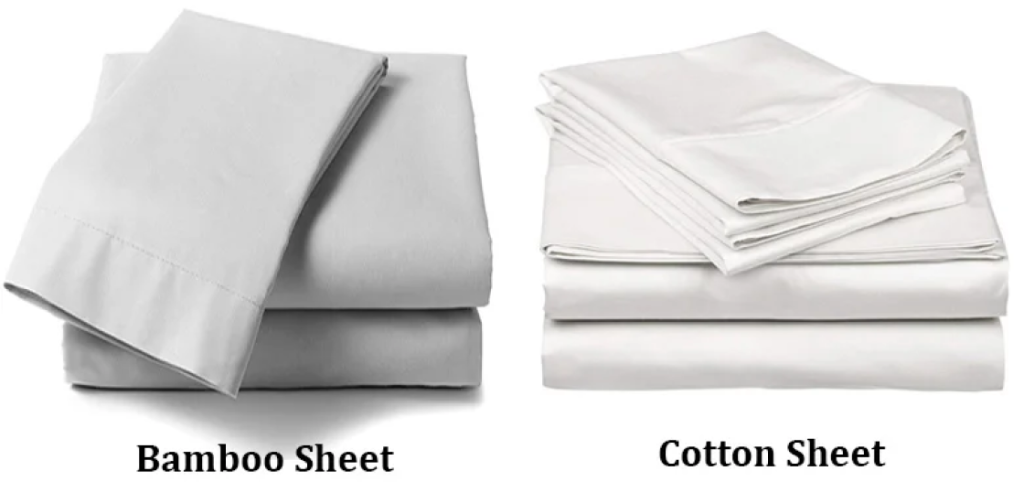
The right sheet fabric for a hotel isn’t the softest one in a showroom, it’s the one that still looks and feels good after 150 industrial wash cycles. Guests only ever touch a sheet a handful of times before it goes back to the laundry, but that sheet has to survive high heat, aggressive detergent, bleach, and constant tumble drying for the entire life of your inventory. That changes the calculus completely compared to how someone shops for sheets at home. This guide compares cotton percale, standard cotton, bamboo (rayon/viscose and lyocell), and linen specifically for commercial hospitality use, with a focus on how each fabric actually holds up to institutional laundering rather than just how it feels on day one. What Makes a Fabric “Commercial-Grade” for Hospitality Use A commercial-grade sheet fabric is one that maintains its structure, color, and feel through repeated high-heat industrial laundering, not just one that has a high thread count or a soft hand-feel out of the package. Hotels need fabric that resists pilling, snagging, graying, and shrinkage across hundreds of wash cycles, since a sheet that feels luxurious new but breaks down after 20 washes ends up costing more per usable night than a slightly less plush fabric that lasts three times as long. Three properties matter more than raw softness when evaluating a fabric for hotel use: Tensile strength under repeated washing. Fibers that hold their weave tightly through hundreds of hot-water, high-agitation cycles last longer in rotation. Resistance to bleach and stain treatment. Commercial laundries use stronger chemical treatments than a home washing machine, and some fibers degrade faster under that chemistry. Consistency after drying. Fabric that wrinkles heavily or needs special pressing adds labor cost every single time it’s changed, which matters a lot when you’re turning over hundreds of rooms a day. Cotton Percale: The Hospitality Industry Standard Cotton percale is the most common fabric choice across the hotel industry because its tight, one-over-one weave resists pilling and snagging better than almost any other commercial fabric option. It’s the fabric most people picture when they think of “hotel sheets,” crisp, cool, and matte rather than glossy. The feel: Crisp and cool to the touch with a matte finish. Percale isn’t a fiber, it’s a weave structure, so you’ll see it made from regular cotton, long-staple cotton, or even cotton-poly blends depending on the supplier. Commercial durability: Exceptional. The tight over-under weave structure is what gives percale its durability advantage over looser weaves like sateen, since there’s less loose thread surface for pilling and snagging to start on during high-agitation industrial washing. Ideal specification for hotels: 200 to 300 thread count long-staple cotton (Supima or similar) is generally cited as the sweet spot for balancing breathability, crispness, and strength under repeated laundering. Standard rooms in high-turnover properties commonly use 200 to 300 thread count percale, while upscale properties often move up to 250 to 400 thread count for a more premium guest-facing feel. Best fit: High-turnover business hotels, mid-scale and upscale full-service properties, and any operation where in-house or off-premise commercial laundering needs to run frequent, aggressive cycles without wearing out inventory quickly. Standard Cotton and Egyptian Cotton: Where They Fit Standard cotton and Egyptian cotton both use longer-staple fibers than budget cotton blends, giving a softer, more durable result, but the “Egyptian cotton” label alone doesn’t guarantee commercial performance if the weave and thread count aren’t specified. Standard cotton is a broad category that includes any fabric made from cotton fiber regardless of weave, so its commercial performance varies significantly depending on whether it’s woven as percale, sateen, or something else. When a supplier says “cotton sheets” without specifying the weave, ask directly, because that detail affects durability more than the fiber name does. Egyptian cotton refers to extra-long-staple cotton fiber, which produces stronger, smoother yarn than shorter-staple cotton. It’s often woven in a sateen finish, giving a heavier, more lustrous drape than percale. Egyptian cotton resists pilling well and can last for years with proper laundering care, but sateen’s looser weave structure is generally less durable under harsh industrial laundering than a tight percale weave, even when the fiber quality itself is excellent. Practical takeaway for procurement: Don’t treat “Egyptian cotton” as an automatic upgrade for high-turnover properties. If your laundry process is aggressive and your rooms turn over daily, a well-made percale weave, even from a shorter-staple cotton, may outlast a sateen-woven Egyptian cotton sheet in your specific laundry conditions. Fiber quality and weave structure are two separate variables, and both matter. Bamboo (Rayon/Viscose and Lyocell): Softness With a Durability Trade-off Bamboo-derived sheets, made as rayon, viscose, or lyocell, offer an exceptionally smooth, silky feel and strong moisture-wicking performance, but the fiber is more delicate than cotton percale under aggressive commercial laundering. That trade-off matters most for properties that rely on harsh institutional laundry chemistry rather than gentler, low-heat settings. The feel: Extremely smooth and silky with a fluid, almost liquid drape, and naturally cool-to-the-touch, which makes it popular with guests who run hot at night. Commercial durability: Moderate. Bamboo fibers are naturally moisture-wicking and gentle on skin, but they break down faster than percale under aggressive commercial bleach and high-heat industrial drying. This is the single biggest reason bamboo hasn’t become a mainstream choice for large, high-turnover hotel chains despite its guest-facing appeal. Best fit: Boutique or eco-luxury properties catering to hot sleepers, provided the laundry facility uses gentle, low-heat commercial settings rather than the harshest industrial cycles used by high-volume chains. If your laundry contractor can’t guarantee lower-heat handling for a specific fabric category, bamboo is a riskier bulk investment than percale. Linen: The Luxury Boutique Choice Linen sheets offer a textured, breathable, rustic aesthetic with genuinely high raw tensile strength, but they wrinkle heavily and have a coarser initial hand-feel that some guests may perceive as unrefined rather than intentional. Linen is a deliberate brand choice, not a default commercial fabric. The feel: Textured, airy, and relaxed, softening significantly with every wash. Linen

Northern Linens Grows Private-Label Textile Programs for Businesses
Press Release

Northern Linens Grows Private-Label Textile Programs for Businesses

Northern Linens has expanded its private label and manufacturing programs, giving retail and boutique brands an end-to-end path from custom fabric development to finished, packaged product. The expansion is aimed at brands that want to launch or grow a bedding line without building their own factory relationships from scratch. What This Expansion Means for Retail Brands Retailers entering the home textiles category face three recurring obstacles: finding reliable fabric sources, maintaining consistent quality control, and meeting production minimums that fit their actual order size. Northern Linens’ expanded program is built to remove all three. Instead of a brand piecing together a fabric mill, a cut-and-sew factory, and a packaging vendor separately, Northern Linens runs the full process in-house. The brand’s name goes on the label; Northern Linens handles the manufacturing behind it. This matters most for two kinds of buyers: Boutique and DTC brands that need smaller runs with design flexibility before committing to large volumes National retail chains that need the same specification to hold consistently across a much bigger rollout Customization at Scale: What Partners Can Actually Change Retail partners working with Northern Linens can specify the details that actually differentiate a bedding line, not just choose from a fixed catalogue. Customizable elements include: Thread count and fabric composition Dimensions and fit (standard or custom bed sizes) Fill weights for comforters, duvets, and pillows Packaging design and branded materials Because production runs through Northern Linens’ own facilities under one quality assurance process, these customizations don’t come at the cost of consistency. A brand scaling from a regional launch to a national rollout works from the same approved specification the entire way, rather than re-qualifying a new factory at each growth stage. Why a Single Manufacturing Partner Matters More Than It Looks A brand’s name on a bedding label carries an implicit promise about quality, and that promise is only as reliable as the factory actually producing the goods. When sourcing is split across multiple vendors, a single weak link — a fabric substitution, a missed quality check, a packaging delay — can surface as a customer complaint months after the brand has no easy way to trace it back. Working with one manufacturer for design, production, and packaging closes that gap. Every stage sits under the same quality assurance protocols, so issues get caught during production instead of after the product reaches a customer’s home. From Northern Linens “Building a successful bedding brand requires a manufacturing partner that cares as much about the final product as the brand owner does,” said a representative for Northern Linens. “Our private label expansion gives North American retailers the manufacturing capacity, technical expertise, and quality control needed to confidently put their name on a world-class product.” Availability Northern Linens’ Bedding Manufacturing and Private Label Programs are now available to brand partners across North America. Program inquiries, production consultations, and minimum order requirements can be discussed directly with the manufacturing division. About Northern Linens Northern Linens is a North America–based textile manufacturer and distributor. Alongside its own branded lines, the company provides private label manufacturing services that combine established fabric technology with production capacity built to support retail brands at different growth stages, from boutique launches to national retail rollouts. Source: Original press release on EIN Presswire Contact Manufacturing & Private Label Division info@northernlinens.com Frequently Asked Questions What does Northern Linens’ private label program actually include? The program covers the full manufacturing process: fabric sourcing and customization, cut-and-sew production, fill and dimension specifications, and final packaging. Brands work with Northern Linens as a single manufacturing partner rather than coordinating separate vendors for each stage. Can a small or boutique brand use Northern Linens’ private label program? Yes. The program is designed to support both boutique brands launching smaller, localized collections and national retail chains scaling much larger rollouts. Production minimums and specifications can be discussed directly with the manufacturing division based on the brand’s specific volume needs. What can retail partners customize in a private label bedding line? Retail partners can customize thread count, fabric composition, dimensions, fill weights, and packaging design. Because production runs through one facility under a shared quality assurance process, these customizations stay consistent as order volume grows. How is this different from working with a standard wholesale bedding supplier? A standard wholesale order typically comes from an existing catalogue with limited customization. Northern Linens’ private label program builds a product to the brand’s own specification, under the brand’s own label, with packaging and design elements the brand controls — while still running through Northern Linens’ in-house production and quality control. Which regions does the expanded program cover? The expanded Bedding Manufacturing and Private Label Programs are available to brand partners across North America. How do brands get started with a private label program inquiry? Brands can contact Northern Linens’ Manufacturing & Private Label Division directly at info@northernlinens.com to discuss program details, production consultations, and minimum order requirements for their specific product line.

Wholesale Pillow Sourcing: How to Specify Pillows That Don't Come Back as Returns
Bedding

Memory Foam vs Latex Pillows: Durability & Guest Comfort for Commercial Buyers

Memory foam pillows typically last 2 to 3 years under heavy commercial use, while latex pillows last 4 to 5 years or longer. Latex also sleeps cooler and resists shape loss better, which is why many hotels, healthcare facilities, and short-term rental operators are shifting a portion of their pillow inventory toward latex, even at a higher upfront cost. The right choice depends on your guest profile, laundering cycle, and budget per room, not on which material sounds more premium. This guide breaks down the real differences between memory foam and latex pillows for commercial buyers: durability, guest comfort, hygiene, cost over the pillow’s full lifecycle, and how to match each material to your property type. Memory Foam vs Latex Pillows: What’s the Difference? Memory foam is a viscoelastic polyurethane foam that softens with body heat and slowly reshapes around the head and neck. Latex is a foam made from natural rubber tree sap, synthetic rubber compounds, or a blend of both, and it responds to pressure instantly rather than slowly molding. What is memory foam? Memory foam contours to whatever shape presses into it and holds that shape briefly after the pressure is removed. In pillows, this means a slow, cradling response that many guests associate with a “sink in” feeling. What is latex? Latex pillows bounce back the instant weight shifts. Solid latex pillows are poured or molded from liquid rubber, while shredded latex pillows use torn foam pieces inside a cover for adjustable loft. Key material differences Memory foam softens with heat; latex stays consistent across a range of room temperatures. Memory foam has a delayed response to movement; latex responds immediately. Latex generally has better natural airflow due to its cellular structure or pinhole design. Memory foam is available in nearly unlimited densities and infusions (gel, charcoal, cooling covers); latex has fewer variants but more consistent performance across units. Natural vs synthetic latex Natural latex comes from rubber tree sap and tends to offer the longest lifespan and strongest resistance to dust mites and mold. Synthetic latex is manufactured from petroleum-based compounds to mimic the feel of natural latex at a lower cost, but it typically does not match natural latex’s durability or antimicrobial properties. Blended latex combines both for a middle-ground price point. [INTERNAL LINK: suggested anchor text “shop wholesale pillow-cases-pillows” → /products/pillow-cases-pillows] Memory Foam vs Latex: Which Pillow Is More Durable? Latex pillows outlast memory foam pillows in nearly every commercial durability metric, from shape retention to resistance to compression after repeated laundering. Expected lifespan Memory foam pillows generally last 2 to 3 years in commercial settings before they need replacement. Latex pillows commonly last 4 to 5 years, and high-quality natural latex can extend further under moderate use. Shape retention Memory foam softens progressively with heat and moisture exposure, which is common in guest rooms with high turnover. Latex resists sagging and returns to its original shape after each guest stay far more consistently. Compression resistance Repeated compression from nightly use breaks down memory foam’s cell structure faster than latex’s more resilient rubber matrix. This is one reason latex is favored in high-occupancy properties where pillows see constant use. Heavy commercial use Under daily wear from guest turnover, cleaning cycles, and transport between properties, latex tends to hold its support layer longer than memory foam, which can flatten unevenly. Replacement frequency Because memory foam wears out faster, commercial buyers using memory foam typically plan for more frequent bulk reorders. Latex’s longer lifespan reduces how often procurement teams need to reorder, which matters for properties managing dozens or hundreds of rooms. How Northern Linens’ Team Handles This: Our Quality Control team batch-tests both foam and latex pillow cores before they ship, checking density consistency and compression recovery so buyers are not stuck with an inconsistent order across a large room count. Our Wholesale Account Management team also helps properties plan replacement cycles around their actual laundering frequency and guest turnover, rather than guessing at reorder timing. Which Pillow Provides Better Guest Comfort? Memory foam gives guests a slow, cradling feel that eases pressure points, while latex gives a buoyant, responsive feel that keeps the head elevated and adjusts instantly when guests shift position overnight. Firmness Memory foam is available across a wide firmness range and can be layered for softer or firmer feel. Latex tends to run firmer overall, with a springier feel even at softer densities. Support Memory foam slowly conforms to the head and neck, which some guests describe as more cushioned. Latex offers more consistent, buoyant support that keeps the neck aligned without excessive sinking. Pressure relief Memory foam is well suited to guests who prefer a hug-like feel around pressure points in the neck and shoulders. Latex still relieves pressure but with a springier response rather than a slow sink. Sleeping positions Side sleepers often benefit from a higher-loft pillow with strong edge support, which both materials can provide depending on density. Back sleepers typically do well with medium loft in either material. Stomach sleepers generally need the lowest loft option, which is easier to achieve with shredded latex or lower-density memory foam. Neck and shoulder support Because latex responds instantly to movement, guests who shift positions frequently through the night may notice less lag in support compared to memory foam, which needs a moment to reshape. [INTERNAL LINK: suggested anchor text “browse hotel pillow inserts” → /products/pillow-cases-pillows] Memory Foam vs Latex for Hotel Guests Property type should drive material choice more than personal preference, since different guest profiles and turnover rates change how each material performs over time. Luxury hotels Latex’s durability and consistent performance across long stays make it a strong fit for luxury properties where guest expectations are high and pillow replacement needs to be infrequent and reliable. Budget hotels Memory foam’s lower upfront cost makes it a practical choice for budget properties balancing comfort against tighter per-room bedding budgets. Resorts Resorts with high guest turnover and frequent laundering cycles benefit from latex’s resistance to compression

Linen Vs Percale Vs Bamboo Vs Cotton Duvet Covers
Bedding

Hypoallergenic Pillows for Healthcare and Hospitality: What Buyers Should Verify

A hypoallergenic pillow only earns that label if it resists dust mites, mold, and bacteria at the fill and fabric level, holds up under repeated commercial laundering, and meets the fire and safety codes that apply to your facility type. For healthcare and hospitality buyers, “hypoallergenic” on a spec sheet is not enough. You need proof: certifications, laundering data, and a supplier who can show you how the product is made and tested. This guide walks through exactly what to verify before you commit to a bulk order, and where buyers commonly get misled by vague marketing language. What “Hypoallergenic” Actually Means for Bulk Buyers A hypoallergenic pillow is built to reduce exposure to the allergens that collect in bedding over time, mainly dust mite waste, mold spores, and bacterial growth. It does not mean allergen-proof, and no credible supplier will claim otherwise. For institutional buyers, the practical question is different from what a consumer asks. You are not choosing one pillow for one sleeper. You are choosing a product that has to perform the same way across hundreds or thousands of units, wash after wash, guest after guest, patient after patient. That consistency is what separates a real hypoallergenic program from a marketing claim. Three things determine whether a pillow actually performs as hypoallergenic at scale: Fill material that naturally resists allergen buildup or is treated to do so Barrier fabric tightly woven enough to stop dust mites and allergen particles from passing through Laundering durability, since a pillow that clumps or breaks down after repeated hot-water washing stops protecting anyone Core Certifications and Standards to Verify Before you evaluate fill type or fabric, ask for documentation. A supplier who can’t produce it in writing is not one you should be placing bulk orders with. OEKO-TEX Standard 100 tests the finished textile for harmful substances, including chemical residues from dyeing and processing. It confirms the material is safe for skin contact. It does not certify organic status, and it does not by itself confirm allergen resistance, so treat it as one layer of verification, not the whole picture. Fire safety compliance matters most for hospitality and any commercial furnishing program. Fire codes vary by region and facility type, so ask your supplier for written test documentation specific to the standard your jurisdiction requires, rather than accepting a general “fire safe” claim on a product listing. Antimicrobial treatment claims should come with the name of the actual treatment or standard used, not just the word “antimicrobial” printed on packaging. Ask what the treatment targets (bacteria, mold, mildew) and how long it’s rated to last under commercial laundering. How Northern Linens’ Team Handles This Northern Linens holds OEKO-TEX certification on its qualifying product lines and references it only for the specific products it applies to, never as a blanket claim across the full catalog. Every batch goes through in-house quality checks before it ships, so buyers get consistent documentation rather than a one-time certificate that doesn’t reflect current production. Our Quality Control team can walk your procurement contact through exactly which certifications apply to which SKU before you finalize an order. Fill Materials: Comparing Options for Institutional Use The fill is where most of the allergen-resistance work happens. Here’s how the common commercial options compare. Fill Type Allergen Resistance Commercial Laundering Best Fit Down alternative (polyester microfiber) Good, resists biological allergens naturally Machine washable, holds shape well over repeated cycles Hospitality, general healthcare use Solid or shredded memory foam Resists dust mite accumulation inside the core Needs a protective zippered barrier casing, cannot be fully machine washed in most cases Facilities prioritizing firm support and pressure relief Latex Naturally resistant to mold, mildew, and dust mites Durable but heavier and costlier to launder at scale Long-stay hospitality, premium healthcare bedding Down alternative fill tends to be the most practical choice for large-scale institutional programs because it can go through full machine washing rather than requiring a separate protective casing. That said, the right choice depends on your facility’s laundering setup, budget, and comfort standards. Barrier Fabric and Laundering Durability A pillow’s fill only matters if the fabric around it does its job. Barrier fabric needs to be tightly woven enough that dust mites and allergen particles cannot pass through, while still being breathable enough for comfort. For healthcare settings, some facilities require a liquid-proof, wipe-clean ticking, particularly for patient rooms with higher infection-control standards. For hospitality, a tightly woven cotton or cotton-blend ticking is usually sufficient and more comfortable for guests. Laundering durability is where cheaper hypoallergenic pillows tend to fail first. A pillow that clumps, flattens, or loses its barrier integrity after a few dozen commercial wash cycles stops protecting anyone, no matter what the original label claimed. How Northern Linens’ Team Handles This Fabric and fill consistency issues usually trace back to inconsistent raw material batches, which is one of the most common problems our Production and Quality Control teams catch before a shipment goes out. Every batch is checked against the same spec, so a reorder six months from now performs the same as your original order. If a batch doesn’t meet spec, it gets flagged and resolved internally rather than becoming a problem your facility discovers after the pillows are already in use. Fire Safety Compliance for Hospitality and Healthcare Fire codes for commercial bedding and soft furnishings vary depending on your region and the type of facility you operate. Hospitality properties, healthcare facilities, and institutional buyers may all fall under different requirements, so this is not a one-size-fits-all checkbox. The safest approach as a buyer is to ask your supplier for: The specific fire safety standard the product is tested against Written test documentation, not just a claim on a spec sheet Confirmation that the standard matches what your local jurisdiction actually requires Never accept “fire safe” as a standalone claim without a named standard attached to it. Antimicrobial Treatment: What It Does and Doesn’t Do Antimicrobial treatments on pillow fill or fabric are designed

Commercial Duvet Cover Queen
Bedding

Commercial Duvet Cover Queen Sizing Guide – Matching Covers to Hotel & Healthcare Bed Sizes

Down duvet inserts deliver the lightest, highest-loft luxury feel but need specialized commercial laundering, down-alternative inserts are fully hypoallergenic and built for frequent high-heat industrial washing, and wool inserts regulate temperature best across seasonal swings but require careful, less frequent care. For commercial buyers, the right fill choice depends on guest allergy risk, laundering capability, and how often the insert will realistically go through industrial wash cycles. Hotels, healthcare facilities, and distributors sourcing duvet inserts at scale cannot treat fill type as a style preference. It is a procurement decision that affects hygiene compliance, housekeeping labor, and how long an insert lasts before it needs replacing. Northern Linens manufactures duvet inserts across multiple fill types, which gives buyers a way to match fill choice to the operational reality of their property rather than defaulting to whatever looks most premium in a catalog photo. What Determines the Right Duvet Insert Fill for Commercial Use The right duvet insert fill for a commercial property depends on three factors working together: guest or patient allergy risk, how often the insert must be laundered, and how much warmth the climate and room conditions actually require. No single fill type wins across all three factors at once. Down wins on luxury feel but loses on laundering convenience. Down-alternative wins on hygiene and laundering ease but loses some loft compared to natural down. Wool wins on temperature regulation but needs more careful handling than either of the other two. Buyers who choose fill type based on price or appearance alone, without weighing these three factors against their actual property operations, often end up with inserts that wear out early or create housekeeping bottlenecks. Down Duvet Inserts: Performance, Maintenance, and Best Fit Down duvet inserts use the soft under-plumage of ducks or geese to create an exceptionally warm, lightweight fill with a fluffy, high-loft appearance associated with luxury hospitality. Performance. Down offers the best warmth-to-weight ratio of any common duvet fill. A down insert feels dramatically lighter than a wool or down-alternative insert delivering the same level of warmth, which is why it remains the standard fill for five-star and boutique hotel presentation. Maintenance. Down requires specialized commercial laundering or dry cleaning rather than standard high-heat industrial washing. Improper washing can clump the fill and destroy its loft permanently, which raises long-term housekeeping costs compared to fills built for routine industrial cycles. Allergy considerations. Down is not hypoallergenic. Guests or patients with feather or dust allergies can react to down inserts, even when the insert is covered by a duvet cover, since fine particles can still trigger sensitivities over prolonged contact. Best commercial fit. Down suits high-end boutique hotels and luxury suites where guest perception of ultra-lightweight opulence outweighs the added laundering complexity and cost. It is a poor fit for healthcare settings or any property with frequent turnover and standard industrial laundering equipment. Down-Alternative Duvet Inserts: Performance, Maintenance, and Best Fit Down-alternative duvet inserts use engineered polyester or microfiber fill designed to mimic the loft and softness of natural down without using animal-derived materials. Performance. Down-alternative fill replicates much of the fluffy, soft feel guests associate with down, though it typically needs slightly more fill volume to reach the same warmth level as natural down at an equivalent weight. Maintenance. This is where down-alternative pulls ahead decisively for commercial use. The synthetic fill withstands frequent industrial washing and high-heat drying cycles without clumping or losing loft the way down can, which makes it far easier to keep sanitized on a routine schedule. Allergy considerations. Down-alternative fill is fully hypoallergenic, since it contains no animal-derived material that commonly triggers feather or dust allergies. This makes it the safer default fill for any property serving guests or patients with unknown or sensitive allergy status. Best commercial fit. Down-alternative fits high-turnover hotels, standard hospitality properties, and any budget-conscious operation that needs a low-maintenance fill able to handle frequent, high-heat laundering without degrading quickly. Wool Duvet Inserts: Performance, Maintenance, and Best Fit Wool duvet inserts use natural wool fiber fill, valued for its temperature-regulating and moisture-wicking properties rather than for the ultra-light loft that defines down. Performance. Wool naturally regulates temperature in both directions, helping guests stay warm in cool conditions and cooler than they would under down or synthetic fill during warmer nights. This makes wool especially useful in regions with significant seasonal or nightly temperature swings. Maintenance. Wool inserts are denser and heavier than down or down-alternative, with a flatter drape rather than a high-loft appearance. Some modern wool constructions are machine washable, but many traditional wool inserts require specialized, less frequent care rather than routine high-heat industrial washing. Allergy considerations. Wool is naturally resistant to dust mites due to its moisture-wicking structure, which can benefit guests sensitive to dust mite allergens specifically. However, wool is not a substitute for down-alternative in cases involving wool or animal-fiber sensitivities, which are a separate allergy category buyers should account for. Best commercial fit. Wool suits eco-conscious properties and regions with pronounced seasonal temperature swings where hot-sleeping complaints are common under down or synthetic fill. It is a less practical fit for properties needing frequent, fast, high-heat laundering turnaround. Full Comparison Table: Down vs Down-Alternative vs Wool Factor Down Down-Alternative Wool Warmth-to-weight ratio Highest Moderate to high Moderate Loft and appearance High-loft, fluffy luxury feel Mimics down loft closely Flatter drape, less loft Hypoallergenic No Yes Partial, dust-mite resistant only Industrial wash compatibility Low, needs specialized care High, built for frequent high-heat cycles Variable, depends on construction Temperature regulation Warm-leaning, less adaptive Warm-leaning, less adaptive Regulates in both directions Weight Lightest Light to moderate Heaviest Upfront cost Highest Lowest to moderate Moderate to high Best property type Luxury and boutique hotels High-turnover hotels, budget hospitality Eco-conscious properties, variable climates Healthcare suitability Not recommended Strongly recommended Situational, check specific sensitivities Hypoallergenic Requirements for Healthcare Buyers Healthcare facilities should default to down-alternative duvet inserts unless a specific clinical reason justifies a different fill, since hypoallergenic performance and frequent high-heat laundering compatibility both

Down vs Down-Alternative vs Wool Duvet Inserts: Choosing the Right Fill for Commercial Use
Bedding

Down vs Down-Alternative vs Wool Duvet Inserts: Choosing the Right Fill for Commercial Use

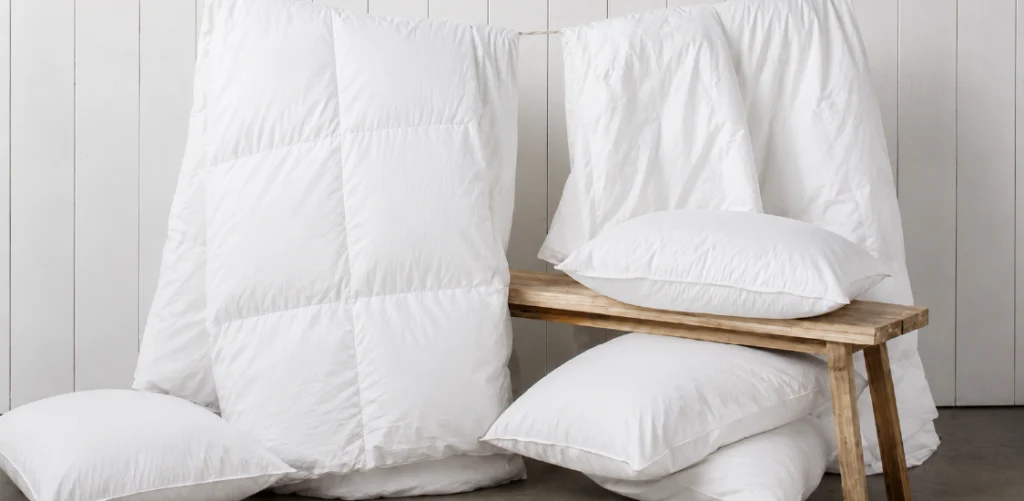
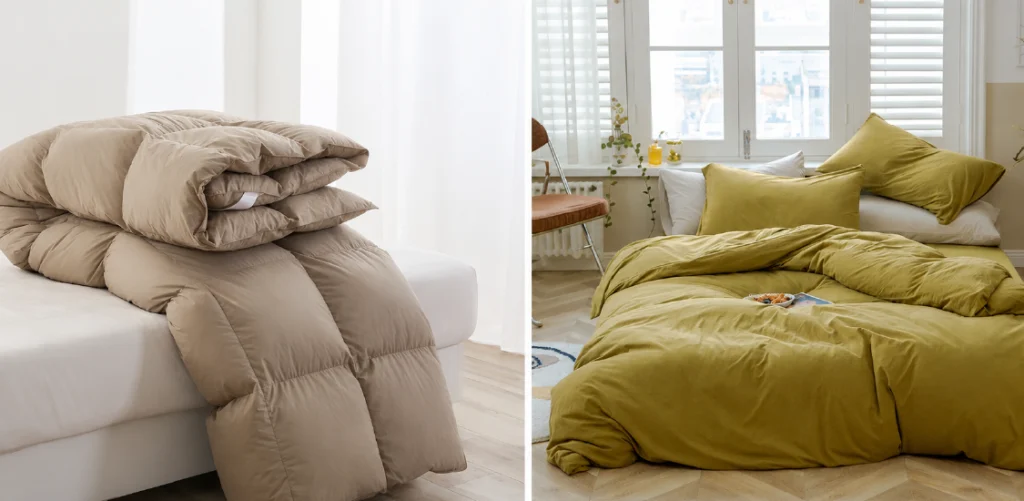
Down duvet inserts deliver the lightest, highest-loft luxury feel but need specialized commercial laundering, down-alternative inserts are fully hypoallergenic and built for frequent high-heat industrial washing, and wool inserts regulate temperature best across seasonal swings but require careful, less frequent care. For commercial buyers, the right fill choice depends on guest allergy risk, laundering capability, and how often the insert will realistically go through industrial wash cycles. Hotels, healthcare facilities, and distributors sourcing duvet inserts at scale cannot treat fill type as a style preference. It is a procurement decision that affects hygiene compliance, housekeeping labor, and how long an insert lasts before it needs replacing. Northern Linens manufactures duvet inserts across multiple fill types, which gives buyers a way to match fill choice to the operational reality of their property rather than defaulting to whatever looks most premium in a catalog photo. What Determines the Right Duvet Insert Fill for Commercial Use The right duvet insert fill for a commercial property depends on three factors working together: guest or patient allergy risk, how often the insert must be laundered, and how much warmth the climate and room conditions actually require. No single fill type wins across all three factors at once. Down wins on luxury feel but loses on laundering convenience. Down-alternative wins on hygiene and laundering ease but loses some loft compared to natural down. Wool wins on temperature regulation but needs more careful handling than either of the other two. Buyers who choose fill type based on price or appearance alone, without weighing these three factors against their actual property operations, often end up with inserts that wear out early or create housekeeping bottlenecks. Down Duvet Inserts: Performance, Maintenance, and Best Fit Down duvet inserts use the soft under-plumage of ducks or geese to create an exceptionally warm, lightweight fill with a fluffy, high-loft appearance associated with luxury hospitality. Performance. Down offers the best warmth-to-weight ratio of any common duvet fill. A down insert feels dramatically lighter than a wool or down-alternative insert delivering the same level of warmth, which is why it remains the standard fill for five-star and boutique hotel presentation. Maintenance. Down requires specialized commercial laundering or dry cleaning rather than standard high-heat industrial washing. Improper washing can clump the fill and destroy its loft permanently, which raises long-term housekeeping costs compared to fills built for routine industrial cycles. Allergy considerations. Down is not hypoallergenic. Guests or patients with feather or dust allergies can react to down inserts, even when the insert is covered by a duvet cover, since fine particles can still trigger sensitivities over prolonged contact. Best commercial fit. Down suits high-end boutique hotels and luxury suites where guest perception of ultra-lightweight opulence outweighs the added laundering complexity and cost. It is a poor fit for healthcare settings or any property with frequent turnover and standard industrial laundering equipment. Down-Alternative Duvet Inserts: Performance, Maintenance, and Best Fit Down-alternative duvet inserts use engineered polyester or microfiber fill designed to mimic the loft and softness of natural down without using animal-derived materials. Performance. Down-alternative fill replicates much of the fluffy, soft feel guests associate with down, though it typically needs slightly more fill volume to reach the same warmth level as natural down at an equivalent weight. Maintenance. This is where down-alternative pulls ahead decisively for commercial use. The synthetic fill withstands frequent industrial washing and high-heat drying cycles without clumping or losing loft the way down can, which makes it far easier to keep sanitized on a routine schedule. Allergy considerations. Down-alternative fill is fully hypoallergenic, since it contains no animal-derived material that commonly triggers feather or dust allergies. This makes it the safer default fill for any property serving guests or patients with unknown or sensitive allergy status. Best commercial fit. Down-alternative fits high-turnover hotels, standard hospitality properties, and any budget-conscious operation that needs a low-maintenance fill able to handle frequent, high-heat laundering without degrading quickly. Wool Duvet Inserts: Performance, Maintenance, and Best Fit Wool duvet inserts use natural wool fiber fill, valued for its temperature-regulating and moisture-wicking properties rather than for the ultra-light loft that defines down. Performance. Wool naturally regulates temperature in both directions, helping guests stay warm in cool conditions and cooler than they would under down or synthetic fill during warmer nights. This makes wool especially useful in regions with significant seasonal or nightly temperature swings. Maintenance. Wool inserts are denser and heavier than down or down-alternative, with a flatter drape rather than a high-loft appearance. Some modern wool constructions are machine washable, but many traditional wool inserts require specialized, less frequent care rather than routine high-heat industrial washing. Allergy considerations. Wool is naturally resistant to dust mites due to its moisture-wicking structure, which can benefit guests sensitive to dust mite allergens specifically. However, wool is not a substitute for down-alternative in cases involving wool or animal-fiber sensitivities, which are a separate allergy category buyers should account for. Best commercial fit. Wool suits eco-conscious properties and regions with pronounced seasonal temperature swings where hot-sleeping complaints are common under down or synthetic fill. It is a less practical fit for properties needing frequent, fast, high-heat laundering turnaround. Full Comparison Table: Down vs Down-Alternative vs Wool Factor Down Down-Alternative Wool Warmth-to-weight ratio Highest Moderate to high Moderate Loft and appearance High-loft, fluffy luxury feel Mimics down loft closely Flatter drape, less loft Hypoallergenic No Yes Partial, dust-mite resistant only Industrial wash compatibility Low, needs specialized care High, built for frequent high-heat cycles Variable, depends on construction Temperature regulation Warm-leaning, less adaptive Warm-leaning, less adaptive Regulates in both directions Weight Lightest Light to moderate Heaviest Upfront cost Highest Lowest to moderate Moderate to high Best property type Luxury and boutique hotels High-turnover hotels, budget hospitality Eco-conscious properties, variable climates Healthcare suitability Not recommended Strongly recommended Situational, check specific sensitivities Hypoallergenic Requirements for Healthcare Buyers Healthcare facilities should default to down-alternative duvet inserts unless a specific clinical reason justifies a different fill, since hypoallergenic performance and frequent high-heat laundering compatibility both

Duvet vs Comforter A Procurement Guide for Hospitality & Healthcare Buyers
Bedding

Duvet vs Comforter: A Procurement Guide for Hospitality & Healthcare Buyers

A duvet is a two-piece system made of a fill insert and a removable washable cover, while a comforter is a single quilted piece with the filling stitched directly into the outer fabric. For hospitality and healthcare procurement, this structural difference drives nearly every other decision, including laundering cost, hygiene protocol, replacement cost, and how fast housekeeping can turn a room. Buyers switching suppliers or comparing formats for the first time often get tripped up by inconsistent terminology, since “duvet,” “comforter,” and “bedspread” get used loosely and sometimes interchangeably across supplier catalogs. This guide separates the terms clearly and maps each format to the property types and use cases it actually fits best. What Is a Duvet? A Clear Definition for Procurement Buyers A duvet is a soft, flat insert filled with down, down-alternative, or synthetic fiber, designed to be enclosed inside a separate, removable duvet cover. The insert itself is never laundered on a regular basis. Housekeeping strips and washes only the cover between guest stays or on a set schedule, while the insert stays inside a protective layer and gets laundered far less often. This two-piece structure is what separates a duvet system from every other bedding format on this list. The cover functions like a large, quilted pillowcase, closing with a zipper or button closure so it can be removed and replaced quickly. What Is a Comforter? A Clear Definition for Procurement Buyers A comforter is a single, pre-assembled bedding piece where the fill is quilted and stitched directly to the outer fabric shell, creating one unit that never separates into layers. Because the filling is sewn into the shell, a comforter cannot be laundered as just a cover. The entire bulky item goes through the wash or dry-clean cycle as one piece, every time it needs cleaning. Comforters are typically sold ready to use straight out of packaging, without any assembly step. This is the main convenience advantage comforters hold over duvet systems. Duvet vs Bedspread: Where This Third Term Fits In A bedspread is a decorative top layer that covers the entire bed down to the floor or near it, distinct from both duvets and comforters, which typically sit within the mattress dimensions. Bedspreads are often lighter than duvets and comforters and are used more for daytime appearance than for warmth or nightly bedding function. Some hospitality properties layer a bedspread over a duvet or comforter for visual presentation, then remove it before the guest sleeps. Procurement buyers comparing “bedspread vs duvet” are usually deciding between a decorative top layer and a functional sleeping layer, not choosing a direct substitute. The two often coexist in the same room specification rather than replacing one another. Duvet vs Comforter: Full Comparison Table Factor Duvet System (Insert + Cover) Comforter (Single Piece) Structure Two pieces: insert and removable cover One piece, filling stitched to shell Laundering frequency Cover washed frequently, insert washed rarely Entire piece laundered every time Laundering load on machinery Lower, lightweight cover only Higher, bulky item stresses machines and slows drying Room turnover speed Faster, cover swap is quick Slower, full comforter change and inspection take longer Upfront cost Higher, insert and covers priced separately Lower, single ready-to-use product Replacement cost over time Lower, only the cover needs replacing when worn Higher, entire unit discarded when worn Hygiene control Strong, rapid cover stripping supports frequent sanitation Weaker, less frequent full laundering of the whole piece Perceived luxury Higher, associated with upscale hospitality presentation Lower to moderate, seen as a practical, budget-friendly option Staff labor Slightly higher, cover must be fitted onto insert Lower, no assembly step required Best fit Upscale hotels, healthcare, high-turnover properties Budget hospitality, lower-turnover properties Hygiene and Sanitization: Why This Matters Most for Healthcare Buyers Healthcare procurement buyers should prioritize duvet systems over comforters whenever infection control standards require frequent, high-temperature laundering. A duvet cover can be stripped and laundered at high temperatures for thermal disinfection without repeatedly stressing or degrading the insert underneath it. This matters directly for infection control protocols that call for frequent linen turnover between patients or care settings. Comforters do not offer this separation. Washing the entire quilted unit at the frequency healthcare hygiene standards often require puts continuous mechanical and thermal stress on the same piece that holds both the outer fabric and the fill, shortening its usable life much faster than a duvet insert experiences under the same protocol. For hospitality properties, hygiene stakes are different but still meaningful. Upscale hotels lean toward duvets partly for the aesthetic, but the ability to rotate covers quickly between stays also supports a higher standard of surface cleanliness without requiring the entire bedding piece to go through the wash after every guest. How Northern Linens’ Team Handles This Northern Linens manufactures duvet inserts and duvet covers as separate, consistently specified products, which lets healthcare and hospitality buyers order covers in higher volume for frequent rotation while ordering inserts at a lower replacement cadence. The Wholesale Account Management team can help buyers structure a cover-to-insert ratio that matches their actual laundering frequency, so cover stock never runs short during a high-turnover stretch. Cost and Total Cost of Ownership: Duvet vs Comforter Comforters cost less upfront because they are a single manufactured product, while duvet systems typically deliver lower total cost of ownership over time because only the cover needs replacing when it wears out. Upfront cost comparison: Comforters are priced and sold as one ready-to-use item, which keeps the initial purchase simpler and cheaper per unit. Duvets require buying both an insert and one or more covers, which raises the initial procurement cost per bed. Long-term cost comparison: Comforters must be fully replaced once the shell fabric or filling wears out, discarding the entire unit even if only the fabric surface shows damage. Duvets allow a buyer to replace just the cover when it stains or wears, while the insert continues serving its full lifespan underneath. This is the core tradeoff procurement buyers need to weigh: comforters minimize

How to Extend the Life of Commercial Bed Sheets Through Proper Industrial Laundering
Bedding

How to Extend the Life of Commercial Bed Sheets Through Proper Industrial Laundering

Extending the life of commercial bed sheets comes down to controlling four things in industrial laundering: wash temperature, chemical dosing, load size, and drying time. Get any one of these wrong and cotton fibers break down faster, cutting a sheet’s usable life well before it should reach retirement. For hotels and hospitality operators, this is not a minor housekeeping detail. Sheet replacement is one of the largest recurring linen costs a property carries, and most early sheet failure traces back to laundering practices rather than fabric quality alone. Northern Linens manufactures commercial-grade bed sheets built to withstand repeated industrial wash cycles, and understanding how laundering affects fiber life helps buyers get the most out of that fabric investment. What Setting to Wash Sheets On for Commercial Laundering The right wash setting for commercial bed sheets uses hot water between 140°F and 160°F (60°C to 70°C), a measured detergent dose appropriate for the soil level, and a load filled to 70 to 80 percent of the washer’s rated capacity. This temperature range disinfects effectively without pushing heat high enough to accelerate cellulose breakdown in cotton fibers. Going hotter does not clean sheets better. It simply shortens their working life. Load size matters just as much as temperature. An underloaded washer wastes water and energy, while an overloaded washer creates friction between sheets that wears down fibers mechanically. The 70 to 80 percent range gives sheets enough room to move freely while still using the wash cycle efficiently. How Wash Temperature and Chemical Dosing Affect Fabric Life Wash temperature and chemical dosing are the two variables most responsible for how many industrial wash cycles a commercial sheet survives before it needs replacing. Cotton fibers naturally hold small amounts of oil that keep them flexible and resistant to breakage. Water above 160°F, combined with harsh alkaline detergents or chlorine bleach used too frequently, strips this natural lubrication and weakens the fiber structure over time. The result is sheets that thin out, tear more easily, and lose softness long before their expected lifespan. Standard commercial cotton sheets, when laundered correctly, typically survive somewhere between 70 and 120 industrial wash cycles. Sheets laundered with excessive heat or heavy chemical use often fall well short of that range, sometimes failing in half the expected cycle count. Automated chemical dosing systems help by applying a consistent, measured amount of detergent per load rather than relying on manual estimates that tend to run heavier than necessary. Precise dosing protects fiber strength while still meeting hygiene standards. Sorting Sheets by Fabric Type Before Washing Sorting commercial sheets by fabric weight and blend type before washing prevents uneven wear and drying problems that shorten fabric life. 100 percent cotton sheets and poly-cotton blends respond differently to heat and drying time. Synthetic fibers in a poly-cotton blend dry much faster than natural cotton fibers, which means washing them together often leads to either underdried cotton or overdried synthetic material in the same load. A simple sorting protocol solves this: Group by fiber content. Keep 100 percent cotton sheets separate from poly-cotton or microfiber blends. Group by fabric weight. Heavier sheets and lighter sheets often need different drying times, even within the same fiber type. Group by soil level. Heavily soiled linens need stronger treatment than lightly used sheets, and washing them together forces a compromise that is too harsh for the lighter load. How Northern Linens’ Team Handles This Northern Linens manufactures commercial bed sheets with consistent fabric weight and fiber content within each product line, which makes sorting simpler and more predictable for hotel laundry operations. The Quality Control team verifies fabric consistency batch to batch before shipment, so buyers know exactly what fiber blend and weight they are sorting and laundering, rather than guessing based on inconsistent supply. Drying and Conditioning Practices That Preserve Fiber Strength Proper drying preserves fiber strength by stopping the cycle before sheets become fully dry and by allowing fibers time to rest before reuse. Overdrying is one of the most common causes of premature sheet wear in commercial laundry operations. Moisture-sensing dryers with an automatic cool-down cycle help stop the process at the right point, typically while hems still hold a slight amount of moisture, which relaxes fibers rather than scorching them. Two additional steps protect fabric life during and after drying: Unload promptly. Leaving sheets tumbling or sitting in a hot dryer basket after the cycle ends sets deep wrinkles and adds unnecessary heat exposure. Allow a rest period before reuse. Freshly laundered sheets benefit from roughly 24 hours in a climate-controlled space, giving cotton fibers time to rehydrate and recover natural moisture lost during washing and drying. Skipping the rest period does not damage sheets outright, but it does mean fibers go back into use while still under the stress of the wash and dry cycle, which adds up over hundreds of cycles. Storage and Inventory Practices That Extend Linen Life Storage conditions matter more than most hospitality operators expect, since sheets sitting in poor storage conditions between uses can degrade even without being laundered. Sheet inventory should be stored flat-folded in a clean, ventilated room held between 70°F and 75°F with relative humidity between 40 and 55 percent. Humidity above this range encourages mildew and weakens fibers, while very dry conditions can make fabric brittle over time. Breathable cotton or canvas covers protect stacked linens from dust without trapping humidity the way sealed plastic bins do. Airtight storage sounds protective but actually creates the damp, unventilated conditions that accelerate fabric breakdown. A first-in-first-out rotation system, run across a minimum par level of three full sets per bed, prevents any single sheet set from being overworked while others sit unused. Uneven rotation wears out part of an inventory much faster than the rest, which distorts real replacement timing. How Northern Linens’ Team Handles This Northern Linens’ Warehousing and Distribution team ships commercial sheet orders from regional warehouses in Canada and the USA, which supports hotels running a proper par level and

Scroll to Top

Get In Touch