How to Choose Hotel Percale Sheet Sets for Canadian Property Management
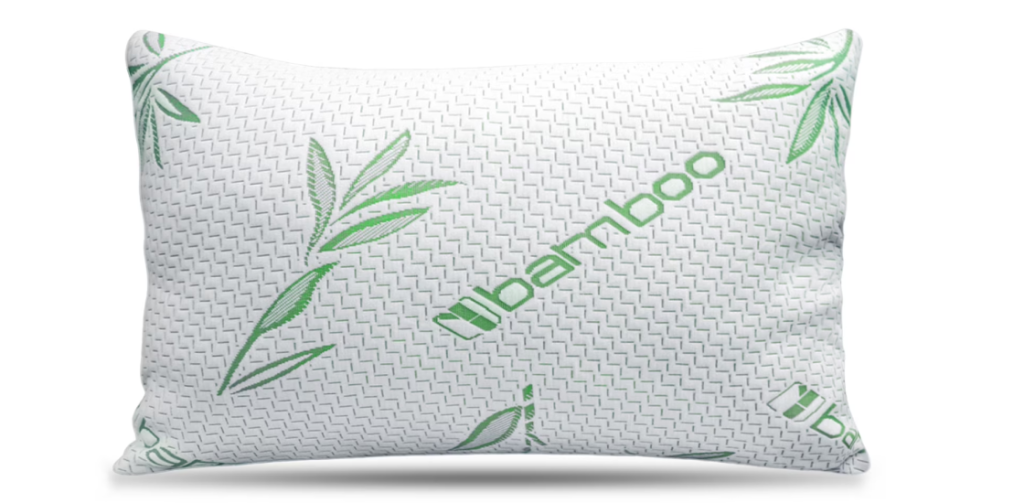
Hotel percale sheets are chosen on yarn quality rather than thread count. Single-ply long-staple cotton between 200 and 300 threads outlasts a multi-ply fabric advertised at twice the number, because inflated counts are produced by counting plies within a single yarn. Percale is the default hospitality weave because it survives industrial laundering and comes back looking crisp. Choosing well within it comes down to three things: the quality of the yarn rather than the thread count printed on the packaging, whether the labour cost of pressing pure cotton is worth the feel, and how consistently a supplier can repeat an order across a portfolio. Managing bedding for one property is a purchasing decision. Managing it across several is an operations problem. Mismatched mattress depths, sheets from three suppliers in one linen room, and a reorder that arrives a shade off the last one all cost housekeeping time every day, and none of it shows up in a price comparison. This guide covers what percale actually is, how to read thread count honestly, the cotton against blend decision, the construction details that determine lifespan, and how to standardise bedding across multiple sites. Why Percale Is The Hospitality Default Percale is a plain weave, one thread over and one under, which produces a matte surface, a crisp hand and an open structure that breathes. It is the fabric most guests mean when they describe sheets as feeling like a hotel. For property management the appeal is practical rather than sensory. The plain weave has no long floats sitting on the surface, so there is less yarn exposed to abrasion from bodies, bed-making and industrial washing. Sateen, which floats several threads across the face to create its sheen, wears through those exposed floats faster and shows pulls more readily. Percale also presses well. A crisp, flat sheet reads as clean to a guest in a way a soft, draped fabric does not, and that perception matters more in a mid-market room than any fibre claim on a spec sheet. Our guide to cooling bamboo sheet sets covers the percale and sateen comparison in more detail, along with how weave affects airflow. Reading Thread Count Honestly Thread count is the most quoted and least reliable figure in hospitality bedding. Understanding how it is inflated is the difference between buying a durable sheet and buying a number. What The T Numbers Mean Hospitality suppliers usually quote percale as T180, T200, T250 or T300, referring to threads per square inch in the finished fabric. Most commercial percale sits in that range for good reason. Below it the fabric feels coarse and thins quickly. Above roughly 300 the weave becomes dense enough to lose the airflow that makes percale worth choosing. A property manager comparing a T200 quote against a T300 quote is comparing two reasonable options. One comparing a T200 against an 800 count percale is looking at a number that has been manufactured rather than measured. How Counts Get Inflated A yarn can be spun as a single strand or as two or more finer strands twisted together. When a fabric is woven from two-ply yarn, some suppliers count each ply separately, so a fabric with 150 actual threads per inch is advertised at 300. The inflated fabric is not better. Finer plies twisted together are weaker than one thicker single-ply yarn of the same total mass, and they break down faster under commercial washing. A single-ply T250 will normally outlast a two-ply fabric marketed at 500. Ask every supplier the same two questions: what is the thread count, and is the yarn single-ply or multi-ply. A supplier who will not answer the second question has answered it. What Actually Predicts Durability Staple length. Long-staple cotton produces smoother, stronger yarn with fewer fibre ends poking out of the surface, which means less pilling. Short-staple cotton pills within months in a commercial setting. Yarn ply. Single-ply, as above. Fabric weight in GSM. Grams per square metre measures how much fibre is actually in the fabric, which thread count does not. Finishing. Compacted or pre-shrunk finishes reduce cumulative shrinkage across wash cycles. Cotton Or Poly-Cotton – A Labour Decision, Not A Fabric One This is the choice that most affects a property management budget, and fabric price is the smallest part of it. Where 100 Percent Cotton Wins Pure cotton breathes better, absorbs moisture better and feels better against skin. It also holds a crisp press, which is why boutique and luxury properties specify it. Cotton gains strength when wet, which makes it well suited to industrial laundering, and it tolerates chlorine bleach and high wash temperatures better than most fibres. The trade is that it wrinkles heavily out of the dryer, so it needs pressing or ironing to look right on a bed. Where A Poly-Cotton Blend Wins A 50/50 or similar blend resists wrinkling, dries faster and generally survives more wash cycles before thinning. For a property turning rooms daily without an on-site press, it comes out of the dryer looking presentable, which removes a labour step from every room. Two drawbacks are worth knowing in advance. Polyester attracts and holds body oils, so blends grey and yellow over time in a way pure cotton does not, and once that happens bleaching does not reverse it. Blends also breathe less, which some guests notice in warm rooms. The Honest Recommendation If a property does not press its flat sheets, specifying 100 percent cotton buys a crispness the guest will never see. The sheets arrive on the bed wrinkled, the premium is spent, and housekeeping absorbs the difference in time spent smoothing beds that will not stay smooth. Choose on the laundry setup and the labour available, not on the positioning of the property. Situation Better specification On-site press or flatwork ironer, premium positioning 100 percent cotton percale Boutique property, low room count, pressing feasible 100 percent cotton percale Daily turnover, no pressing capability Poly-cotton blend Off-site laundry with no pressing included Poly-cotton blend Vacation