Author name: fiaz_ezaccounts

Bundled vs Piece-by-Piece Wholesale Bedding Orders: Cost & Inventory Considerations
Bedding

Bundled vs Piece-by-Piece Wholesale Bedding Orders: Cost & Inventory Considerations

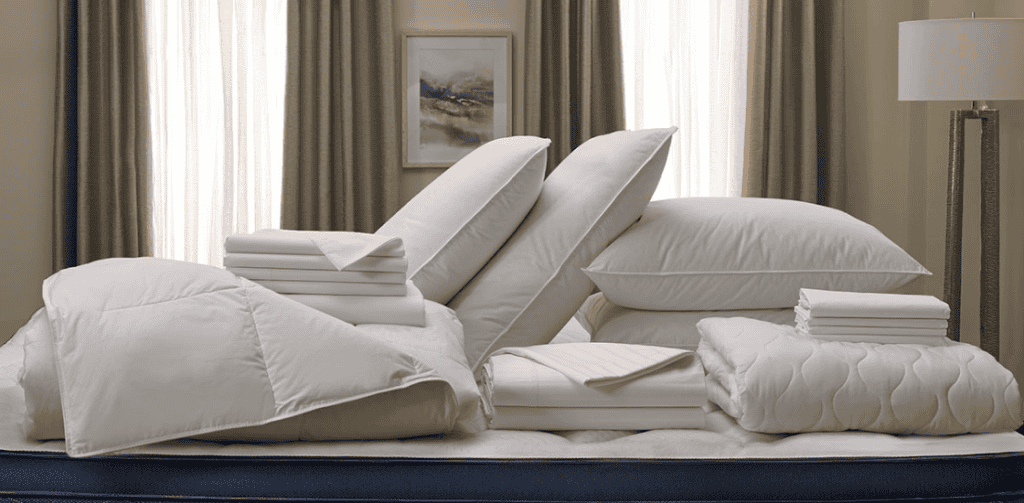
Bundled wholesale bedding orders, such as comforter sets with sheets packaged together, typically cost less per unit and simplify receiving, while piece-by-piece orders cost more per item but reduce dead stock and give buyers tighter control over inventory. The right choice depends on how consistent your demand is across a property portfolio and whether components like pillowcases or shams sell through at the same rate as the core set. For hotel groups, retailers, and distributors managing bedding across dozens or hundreds of rooms, this decision shapes cash flow, warehouse space, and how often reorders turn into a scramble. Northern Linens manufactures both bundled comforter sets with sheets and standalone piece SKUs, which puts buyers in a position to weigh the tradeoff with real numbers instead of guessing. What Bundled and Piece-by-Piece Wholesale Bedding Orders Actually Mean Bundled orders group a full bedding set, such as a comforter, sheets, and shams, into one packaged SKU sold as a single unit. Piece-by-piece orders let a buyer purchase each component separately, ordering exactly the sheet count, comforter count, or pillowcase count needed. The distinction matters most at the procurement stage, before an order is even placed. A buyer choosing bundles commits to a fixed ratio of components per set. A buyer choosing piece-by-piece can order five sheet sets for every one comforter if that matches actual guest or customer usage. Both approaches are common across hospitality, retail, and institutional bedding programs. Neither is universally better. The right fit depends on order volume, how predictable your component-level demand is, and how much warehouse space you can dedicate to holding inventory. Cost Comparison: Bundled vs Piece-by-Piece Wholesale Orders Cost is the first thing most buyers compare, and the two ordering methods create different cost structures rather than one being flatly cheaper. Cost Factor Bundled Orders Piece-by-Piece Orders Per-unit price Lower, due to volume packaging discounts Higher, since items are priced individually Shipping cost Lower, consolidated into fewer shipments Higher, more line items and packaging Upfront cash outlay Higher, since you commit to full sets at once Lower, since you buy only what you need now Risk of sunk cost Higher, if one component in the set undersells Lower, since components are purchased independently Reorder cost efficiency High, if full sets sell evenly High, only for the specific component reordered Bundled orders generally win on landed cost per unit. Piece-by-piece orders generally win on capital efficiency, since a buyer is not paying upfront for components that may sit unused. How Northern Linens’ Team Handles This Northern Linens’ Wholesale Account Management team works with buyers to model both cost structures against actual order history before recommending a format. Buyers with steady, uniform demand across a property portfolio are usually better served by bundled comforter sets with sheets, while buyers with uneven component turnover are steered toward piece-by-piece ordering on the specific SKUs driving that imbalance. Inventory and Warehouse Considerations Inventory management is where the bundled versus piece-by-piece decision has the most day-to-day impact, since it affects how staff receive, count, and restock bedding on a weekly basis. Bundled orders simplify receiving and shelf stocking. A bundled comforter set with sheets arrives as one SKU, one carton size, and one count to verify, which speeds up warehouse intake and reduces the chance of miscounts during a busy delivery window. Bundled orders create stock imbalance risk. If sheets in a bundle wear out or get damaged faster than the comforter, a buyer ends up with excess comforters and a shortage of sheets, without an easy way to reorder just the missing piece. Piece-by-piece orders demand more SKU-level tracking. Separate SKUs for sheets, comforters, and shams mean more line items in inventory software and more room for picking errors during high-volume periods. Piece-by-piece orders protect against dead stock. A buyer restocking only fast-moving sheet sizes, without also buying comforters they do not currently need, avoids tying up warehouse space and capital in slow-moving inventory. How Northern Linens’ Team Handles This Northern Linens’ Warehousing and Distribution team supports both ordering formats from regional warehouses in Canada and the USA, which is designed to shorten replenishment time regardless of whether a buyer orders bundled sets or individual pieces. For buyers running piece-by-piece programs across multiple SKUs, the Wholesale Account Management team can help structure a reorder cadence by component, so fast-moving pieces like sheet sets do not run short while slower-moving pieces sit fully stocked. Matching and Consistency Across Large Property Portfolios Fabric and color matching becomes a bigger concern the larger a property portfolio grows, since guests and customers notice inconsistency between rooms or locations far more than a single-property buyer would. Bundled orders solve matching automatically, since the comforter, sheets, and shams in a set are dyed and produced together, reducing the risk of color or fabric variation between components. This is a meaningful advantage for hotel groups and retailers that need every room or every storefront display to look uniform. Piece-by-piece orders carry more matching risk when components are reordered at different times, since dye lots and fabric batches can shift slightly between production runs even within the same product line. A buyer reordering sheets six months after the original comforter purchase may notice a subtle shade difference that a guest or customer would also notice. Batch consistency across separately ordered components is one of the more overlooked risks in piece-by-piece purchasing, particularly for buyers managing white-label or private-branded bedding lines where visual uniformity is part of the brand promise. How Northern Linens’ Team Handles This Northern Linens’ Quality Control team tracks dye lot and fabric batch data across production runs, which lets the Production team match reorders more closely to previous shipments when a buyer is purchasing components separately over time. Buyers running large, multi-property portfolios can flag matching sensitivity when placing an order, so batch selection accounts for it rather than defaulting to whatever stock is next in queue. A Step-by-Step Process for Choosing Between Bundled and Piece-by-Piece Orders Buyers do not need to guess which
Flannel Sheet Sets for Short-Term Rentals & Seasonal Hospitality Needs
Bedding

Flannel Sheet Sets for Short-Term Rentals & Seasonal Hospitality Needs

Flannel sheet sets give short-term rentals and hospitality properties a way to boost guest comfort during colder months without sacrificing durability under repeated commercial washing. The right flannel sheet set balances brushed cotton softness, a fabric weight that holds up to institutional laundering, and a deep-pocket fit that works across mismatched mattress depths common in rental portfolios. For hosts and hospitality buyers managing multiple properties, flannel bedding is a seasonal category with year-round sourcing challenges. Northern Linens manufactures and supplies flannel sheet sets at wholesale scale, with the fabric consistency, batch testing, and regional warehousing that seasonal restocking demands. Why Flannel Sheet Sets Matter for Short-Term Rentals and Hospitality Properties Flannel sheet sets matter for short-term rentals because guest reviews are shaped heavily by how a bed feels the moment someone gets in it. A cold, thin sheet in a winter listing photo does not match a cold, thin sheet against skin in December. Flannelette and brushed cotton flannel trap warmth close to the body while still allowing airflow, which is why they outperform standard percale or sateen sheets in shoulder-season and winter bookings. For hospitality operators running rooms through fall and winter occupancy, this comfort difference shows up directly in review language around “cozy,” “warm,” and “well-equipped.” Short-term rental hosts and hotel groups also face a second pressure that residential buyers rarely deal with: turnover speed. Sheets need to go from stripped bed to washed, dried, and remade in a tight changeover window, often multiple times per week during peak season. Flannel vs Flannelette: What the Terms Actually Mean Flannel and flannelette both describe a brushed woven fabric, but the terms are used inconsistently across the bedding industry, which creates confusion for wholesale buyers comparing suppliers. Flannel typically refers to a fabric brushed on one or both sides to raise short fibers from the weave, creating a soft, slightly fuzzy surface that traps air for warmth. Most bedding sold as “flannel sheets” is actually cotton flannelette. Flannelette is the technically correct term for lightweight, brushed cotton fabric used in bed sheets. True wool or wool-blend flannel is heavier and used more in apparel than bedding. Attribute Cotton Flannel (Flannelette) Microfiber Flannel Wool-Blend Flannel Breathability High Moderate Low to moderate Warmth retention Moderate to high High High Commercial wash durability High when properly woven High Low, requires special care Typical GSM range 150 to 190 GSM 100 to 150 GSM 200 GSM or higher Best fit for hospitality Yes Situational Not recommended Pilling risk over repeat laundering Low with double-brushed weave Moderate High For hospitality and short-term rental use, double-brushed cotton flannel in the 160 to 180 GSM range is the category buyers most often land on, because it holds warmth without adding excessive drying time between guest turnovers. Guest Comfort in Colder Months: What Actually Drives Satisfaction Guest comfort during colder months comes down to three things: fabric hand-feel against skin, how quickly the bed warms up once occupied, and whether the sheet still feels soft after dozens of commercial wash cycles. A flannel sheet set that feels plush on day one but turns thin and scratchy by its twentieth wash creates a worse guest experience than a mid-range percale set that stays consistent. This is where fabric sourcing decisions made months before a guest ever checks in start to matter. Hospitality buyers sourcing flannel for the first time often assume higher GSM automatically means a better guest experience. That is only true up to a point. Past roughly 190 GSM, flannel sheets take meaningfully longer to dry in commercial laundry cycles, which slows turnover for high-occupancy properties without adding much guest-noticeable warmth. How Northern Linens’ Team Handles This Northern Linens’ Production and Quality Control teams test flannel fabric batches for GSM consistency and brushed-finish quality before any order moves to cutting and sewing. Buyers get a fabric profile suited to their occupancy pattern, whether that is a boutique hotel prioritizing plush feel or a high-turnover short-term rental portfolio prioritizing fast dry times. Inconsistent batches are flagged and resolved with the mill before they reach a client’s warehouse. Durability Under Commercial Wash Cycles Flannel sheet sets built for hospitality need to survive far more laundering than a residential set, often 100 or more industrial wash and dry cycles per year across a single property’s linen rotation. The weave structure of the flannel matters more than thread count when it comes to wash durability. A tightly woven base cloth with an even, double-brushed nap resists pilling and thinning far better than a loosely woven fabric with a heavier brushed finish that looks soft on day one but sheds fiber quickly. Three factors determine how well flannel sheets hold up under repeat commercial washing: Fiber quality. Longer staple cotton fibers shed less and pill less over time than short-staple cotton. Weave tightness. A denser weave beneath the brushed nap resists thinning even as the surface fibers wear. Finishing process. Pre-shrinking and proper dye-setting during manufacturing reduce shrinkage and color fade across repeated hot-water commercial washes. How Northern Linens’ Team Handles This Every flannel production run at Northern Linens goes through in-house quality checks before shipment, including fabric weight verification and finish inspection. The Quality Control team checks for weave consistency batch to batch, which is the detail that most directly predicts how a sheet set will perform after months of commercial laundering. Buyers working with institutional or hospitality-grade wash cycles can flag their laundering frequency during onboarding so fabric selection accounts for it. Choosing the Right GSM Weight for Your Property Type GSM, or grams per square meter, measures fabric density and is the most reliable spec for comparing flannel sheet weight across suppliers. 140 to 160 GSM: Lighter flannel suited to milder climates or properties that want a flannel feel without heavy warmth, with faster dry times for high-turnover operations. 160 to 180 GSM: The most common range for hospitality and short-term rental use, balancing warmth, softness, and manageable laundering time. 180 to 200 GSM: Heavier flannel for colder

Deep Pocket & Extra Deep Pocket Sheets: Fitting Hotel & Healthcare Mattresses Correctly
Bedding

Deep Pocket & Extra Deep Pocket Sheets: Fitting Hotel & Healthcare Mattresses Correctly

A fitted sheet that pops off a corner mid-shift isn’t just an annoyance, it’s a housekeeping callback, a guest complaint, or in a healthcare setting, a real safety and hygiene issue. The single biggest cause of that failure is buying by bed size name instead of actual mattress depth. This guide breaks down what “deep pocket” and “extra deep pocket” actually mean, how those depths apply differently to hotel pillow-top mattresses versus healthcare and adjustable bed setups, and how to buy correctly the first time instead of re-ordering after a fit failure. What “Deep Pocket” Actually Means A deep pocket sheet is a fitted sheet cut with extra fabric in the corner seams so it stretches over a thicker mattress than a standard fitted sheet can accommodate. The exact depth ranges vary somewhat between suppliers, but the general categories are consistent enough to use as a starting framework. Across multiple sizing guides, the categories generally break down like this: Standard pocket: roughly 7 to 12 inches deep, built for thin innerspring mattresses or basic healthcare mattresses without toppers. Deep pocket: commonly cited as 13 to 17 inches deep, though some sources describe this range as 11 to 15 inches, or even up to 18 inches. This is the range most modern hotel and consumer mattresses fall into. Extra deep pocket: generally 18 to 25 inches deep, designed for pillow-top mattresses, thick memory foam layers, or specialty overlays, though some suppliers extend “deep pocket” language up to 21 to 24 inches without a separate “extra deep” label at all. Why the ranges don’t match exactly across sources: there’s no single regulated industry standard for where “deep pocket” ends and “extra deep pocket” begins, so different manufacturers set their own cutoffs. Rather than treating any one number as gospel, the practical move for commercial buyers is to always request the exact pocket depth in inches from a supplier rather than relying on the “deep” or “extra deep” label alone. The Only Measurement That Actually Matters: Total Mattress Height The label on a fitted sheet package doesn’t matter nearly as much as the actual depth of your mattress including everything on top of it. Getting this measurement wrong is the single most common reason bulk orders arrive and don’t fit. How to measure correctly: Stand a tape measure or ruler flush against the side of the mattress, from the floor-facing bottom edge to the top surface. Include any mattress protector, topper, or pad that stays on the bed permanently, since the fitted sheet has to stretch over all of it, not just the bare mattress. Add 2 to 3 inches to your measured total as a buying buffer, since a pocket that’s exactly the same depth as your mattress will fit too tightly and pull loose faster than one with a small margin. For cotton fitted sheets specifically, account for an additional 3% to 5% shrinkage after the first several hot commercial wash cycles, and round your pocket depth requirement up accordingly. A quick mattress depth reference for common settings: Mattress Type Typical Total Height Recommended Pocket Depth Basic innerspring, no topper 8–12 inches Standard (7–12″) Modern hotel mattress, light topper 12–16 inches Deep pocket (13–17″) Hotel pillow-top or hybrid mattress 14–18 inches Deep to extra deep (16–20″) Thick pillow-top plus topper 18–24+ inches Extra deep pocket (18–25″) Standard hospital bed, no overlay 6–9 inches Standard, healthcare-specific cut Hospital bed with therapeutic overlay 12–16+ inches Deep pocket, stretch-knit construction Hotel Mattresses: Why Pillow-Tops Push You Into Extra Deep Territory Commercial hospitality mattresses commonly run 14 to 18 inches thick once a pillow-top layer is factored in, which means a standard or even mid-range deep pocket sheet frequently isn’t enough for a modern hotel bed. Buying based on the mattress’s nominal size (queen, king, and so on) without accounting for pillow-top height is one of the most common procurement mistakes in hospitality linen ordering. Properties running pillow-top or hybrid mattresses should generally plan for an 18-inch minimum pocket depth to survive heavy guest turnover without slipping loose partway through a stay. Housekeeping speed depends on this being right the first time. A fitted sheet that’s borderline too shallow takes longer to wrestle onto the bed and is more likely to need re-tucking mid-shift, which adds labor time across hundreds of rooms. Don’t assume all rooms in a property have identical mattress depths. Renovated wings, suite categories, or newer mattress replacements often have different heights than older inventory, so a single blanket sheet order across an entire property can leave some rooms under-fitted. Healthcare Beds: A Different Depth Problem Entirely Standard hospital bed mattresses are typically much thinner than hotel mattresses, usually only 6 to 9 inches deep, but therapeutic air-loss systems, foam overlays, and specialty pressure-relief surfaces can push the total height well past 14 inches. This creates a sizing mismatch that’s easy to miss if you’re ordering sheets based on the bed frame’s nominal size rather than the actual surface currently on it. Standard hospital beds without overlays generally need only a standard-depth fitted sheet, typically cut specifically to the 36″ x 80″ frame with a 6 to 8 inch pocket, as covered in our sizing guide for hospital bed linens. Beds with therapeutic air-loss or foam overlay systems need meaningfully deeper pockets, and because these overlays often have irregular or uneven surfaces, a stretchy knit or jersey-style fitted sheet frequently performs better than a rigid woven cotton sheet, since the stretch fabric can conform to the overlay’s shape rather than fighting against it. Reassess pocket depth whenever a facility changes overlay or mattress vendors. A therapeutic surface upgrade that adds even 2 to 3 inches of height can be enough to make an existing fitted sheet inventory stop fitting securely. Split King and Adjustable Bed Sheets: Depth Plus Independent Movement Adjustable beds, whether in a hospital, long-term care facility, or a split king hospitality suite, need fitted sheets that solve two problems at once: enough pocket depth for the mattress, and

Thread Count vs GSM: What Hotel Buyers Should Actually Look For
Bedding

Thread Count vs GSM: What Hotel Buyers Should Actually Look For

Thread count and GSM get thrown around interchangeably in linen marketing, but they measure completely different things and apply to completely different products. Thread count describes woven sheet density. GSM describes towel and robe weight and thickness. Confusing the two, or worse, treating either number as the single measure of quality, is one of the most common and most expensive mistakes in hotel textile procurement. This guide breaks down what each metric actually measures, where the marketing claims stop matching reality, and what actually predicts whether a sheet or towel survives commercial reuse rather than falling apart after a few dozen wash cycles. For a broader look at how these specs fit into overall fabric selection, see our commercial hotel sheet fabric guide. Thread Count vs. GSM: The Core Difference Thread count applies to woven sheets and measures how many threads are woven into one square inch of fabric. GSM (grams per square meter) applies to towels, robes, and some heavier bedding, and measures fabric weight and density instead. They’re not interchangeable, and asking a towel supplier for “thread count” or a sheet supplier for “GSM” is usually a sign the conversation needs to be reset around the right metric for the product. Thread Count (TC): Counts the horizontal (weft) and vertical (warp) threads woven into one square inch of sheet fabric. Higher isn’t automatically better past a certain point. GSM: Measures the weight of towel or robe fabric per square meter, which directly correlates to thickness, absorbency, and how long the item takes to dry. Neither number tells you about fiber quality on its own. A high thread count made from cheap, short fibers can still feel and perform worse than a moderate thread count made from long-staple cotton. Thread Count for Sheets: What the Number Actually Means Thread count is a real, measurable spec, but it stops being a useful quality signal once you get much past the 400 to 500 range, because manufacturers can inflate the number using thinner, multi-ply threads without improving the fabric at all. For commercial hotel buying, that inflation risk matters more than it does for a one-off home purchase, since it directly affects your cost-per-durable-wash-cycle math across an entire property’s inventory. If you’re sourcing at scale, our bulk bedding supplier guide covers how to vet suppliers on exactly this kind of claim. Where hotel-grade recommendations actually land, based on how commercial suppliers and buying guides describe the market: Several hospitality-focused sources put the commercial sweet spot around 200 to 300 TC for high-turnover operational efficiency. Others describe a broader 250 to 400 TC range as the reliable commercial zone, with mid-tier hotels commonly landing around 300 to 400 TC and upscale properties moving toward 400 to 600 TC. Consumer-facing testing sources (outside hospitality specifically) tend to recommend 300 to 500 TC as the best range for cotton sheets generally, noting that anything much above 500 isn’t reliably better. The honest takeaway: there’s no single industry-agreed number, and you’ll see credible-looking sources recommend anywhere from 200 to 600+ TC depending on whether they’re writing for budget hotels, upscale hotels, or general consumers. What’s consistent across nearly every source is the warning about very high numbers, so treat “200 to 400 TC” as a safe, well-supported starting range for most commercial hotel use, and treat marketing claims above 600 to 800 TC with real skepticism until you’ve verified the fiber and weave. Our hotel bedding buying guide walks through how to weigh these ranges against your property’s positioning. The Marketing Trap: Why 800+ Thread Count Isn’t What It Sounds Like Thread counts above 500 to 600 frequently rely on multi-ply threads, meaning thinner, lower-quality fibers twisted together and each strand counted separately toward the total. This inflates the number on the label without actually improving the fabric, and can make it heavier, less breathable, and scratchier rather than more luxurious. A simple way to think about it: two thin threads twisted together and counted as “2” contribute to a higher number than one strong single-ply thread counted as “1”, even though the single-ply version is often the stronger, more breathable fabric. This is exactly why you’ll see 1000+ thread count sheets marketed at budget prices online. A genuine 1000 single-ply thread count fabric would be extraordinarily expensive and impractically dense; most products advertised that high are multi-ply constructions. What to check instead of trusting the number on the label: Ask the supplier directly whether the count is single-ply or multi-ply. Ask for staple length (long-staple or extra-long-staple cotton, like Supima or Egyptian varieties, produces stronger and smoother yarn regardless of the thread count number). Ask for the weave type, since percale and sateen perform differently at the same thread count. Percale vs. Sateen: How Weave Changes the Equation Weave type affects feel and durability at least as much as thread count does, which is why the same 300 TC fabric can perform completely differently depending on whether it’s woven as percale or sateen. Hotel buyers should treat weave as a primary spec, not an afterthought to thread count. Our percale sheets buying guide goes deeper into how this weave holds up specifically under commercial laundering. Weave Feel Typical TC Range Cited Commercial Durability Percale Crisp, cool, matte finish 200–400 TC High; tight one-over-one weave resists pilling and snagging Sateen Silky, smooth, subtle sheen 300–600 TC Moderate; looser weave can pill faster under heavy laundering Percale is generally the stronger choice for high-turnover commercial laundering because of its tighter weave structure. Sateen offers a more luxurious guest-facing drape and sheen, which is why it shows up more often in upscale and luxury product lines, but it typically requires more careful laundering to avoid pilling over time. GSM for Towels: What the Number Actually Predicts GSM directly correlates with a towel’s thickness, absorbency, and how long it takes to dry in a commercial laundry cycle, which makes it a much more reliable single-number quality signal for towels than thread count is for sheets. Unlike thread

Commercial Bed Sheet Sizing Guide for Hotels & Healthcare Facilities
Bedding

Commercial Bed Sheet Sizing Guide for Hotels & Healthcare Facilities

Buying sheets for one bed and buying sheets for 200 beds are two completely different problems. A homeowner picks a size off a package. A hotel procurement manager or hospital linen supervisor has to think about mattress depth, industrial laundry shrinkage, tucking allowance, adjustable frames, and how many sets need to be in rotation at any given time. Get the sizing wrong at scale, and you end up with sheets that pop off corners, staff who waste time re-tucking beds all day, or fitted sheets that simply won’t stretch over a bariatric mattress. This guide breaks down commercial sheet sizing for both hospitality and healthcare settings, explains why commercial sizes run larger than retail sizes, and gives you a practical framework for ordering in bulk without guessing. What “Commercial” Bed Sheet Sizing Actually Means Commercial bed sheets are cut larger than standard retail sheets to survive repeated industrial laundering and to fit deeper, thicker mattresses than most homes use. The extra fabric also gives housekeeping and nursing staff enough overhang to tuck sheets tightly and keep them secure through a full shift of use. Three factors drive the size difference between what you’d buy for a bedroom and what a facility needs: Mattress depth. Hotel mattresses commonly run 12–20 inches deep, and hospital mattresses on adjustable frames need extra pocket depth to stay put through repeated articulation, which is why suppliers now offer deep pocket fitted sheets built specifically for thicker mattress profiles. Laundry shrinkage. Commercial laundries use higher heat and harsher detergents than a home washing machine. A sheet that fits perfectly new can shrink noticeably after dozens of industrial wash cycles, so suppliers cut fabric with a shrinkage allowance built in. Tucking allowance. Housekeeping needs enough flat sheet overhang on all sides to create tight hospital corners that survive a full day of guest use, or that meet infection-control standards in a clinical setting. This is why a “queen flat sheet” at a big-box retailer and a “queen flat sheet” from a commercial linen supplier are not interchangeable, even though they’re labeled for the same bed. Hotel & Hospitality Sheet Sizes by Bed Type Hotel sheets are consistently oversized relative to the mattress they cover, which is the opposite of how most people shop for sheets at home. The table below reflects the sizing ranges reported across major hospitality linen suppliers, and lines up closely with the ranges covered in our hotel bedding buying guide. Bed Size Typical Mattress Size Flat Sheet (Commercial) Fitted Sheet (Commercial) Twin / Single 39″ x 75″ 66″ x 104″ to 72″ x 115″ Cut to mattress depth + 6–8″ pocket Full / Double 54″ x 75″ 81″ x 108″ to 84″ x 115″ Cut to mattress depth + 6–8″ pocket Queen 60″ x 80″ 90″ x 115″ to 97″ x 115″ Cut to mattress depth + 6–8″ pocket King 76″–78″ x 80″ 108″ x 115″ to 115″ x 120″ Cut to mattress depth + 6–8″ pocket A few things worth flagging if you’re comparing quotes from different suppliers: The ranges are real, not sloppy sourcing. Different mills cut sheets differently depending on target mattress depth and expected shrink rate. A supplier selling for 20″ deep pillow-top mattresses will cut a bigger flat sheet than one targeting a 14″ mattress, even for the same bed size label. Always ask for the exact cut dimensions, not just the bed size name. “Queen” on its own doesn’t tell you whether you’re getting a 90″ or a 97″ flat sheet, and that 7-inch difference matters for tucking on a deep mattress. Thread count and weave affect durability more than sheet dimensions do. Most hospitality linens use T-180 to T-300 poly-cotton blends, or 100% cotton for higher-end tensile strength through repeated laundering. Lower thread counts in the T-130 range are common for high-turnover budget properties because they hold up well to frequent washing at a lower cost per set. Why Hotels Don’t Use Retail Sheet Sizes Hotels don’t buy off-the-shelf retail sheet sets because retail sizing assumes a home washing machine, a home mattress depth, and a guest who isn’t going to check whether the corners are tucked hospital-tight. Commercial linen suppliers cut sheets specifically for industrial laundry cycles and deeper mattresses, which is why the same “queen” label covers a noticeably wider size range in hospitality catalogs than it does in a home goods store. Healthcare & Hospital Bed Sheet Sizes Healthcare facilities use a different sizing standard than hotels, built around the 36″ x 80″ hospital bed frame rather than residential mattress sizes. Hospital linens also need to handle frequent, sometimes urgent, changeovers and infection-control laundering that’s even more aggressive than hotel laundry. Bed Type Mattress Size Fitted Sheet Flat Sheet Notes Standard Hospital Bed 36″ x 80″ 36″ x 80″, 6–8″ pocket 66″ x 104″ Most common acute-care size Twin XL / Extended Length 36″ x 84″ 36″ x 84″ Same flat as standard For frame length extenders Bariatric Bed 42″–48″ x 80″ Scaled to 90″ x 110″ (fitted and flat) 90″ x 110″ Must fully cover wider specialty frames Draw / Slide Sheet N/A N/A 54″ x 72″ Used for patient repositioning, not full bed coverage A few operational details that matter more in healthcare than hospitality: Elastic-all-around fitted sheets are standard, not optional, because hospital beds articulate (head and foot sections raise and lower). A sheet without full elastic will bunch or pull loose the moment the bed frame moves. Pocket depth is a safety issue, not just a fit issue. A fitted sheet that’s too shallow can pop off during a position change, exposing a bare mattress surface mid-shift, which is both a hygiene and a fall-risk concern. Bariatric sizing isn’t just “bigger.” Bariatric frames are wider and often have reinforced surfaces, so sheets need to be cut to the actual frame width rather than scaled proportionally from a standard hospital bed sheet. Draw sheets are a separate line item. They’re not a substitute for a fitted or flat sheet;

Best Percale Sheets Canada: A Wholesale Retailer's Guide to Sourcing, Positioning, and Stocking
Bedding

Best Percale Sheets Canada: A Wholesale Retailer’s Guide to Sourcing, Positioning, and Stocking

Percale demand is growing across the Canadian bedding market, and it isn’t a passing trend — it’s a shift driven by consumers who’ve slept under sateen or low-count cotton blends, found them too warm or too slippery, and gone looking for something else. This guide gives wholesale retailers what they need to source percale correctly, price it right, and answer the questions an informed percale buyer will ask before purchasing. What Is Percale, and Why Does It Feel So Different From Other Sheets? Percale is a weave construction, not a fiber type — a one-over-one-under interlocking pattern that produces a tight, balanced, breathable surface. That construction, more than the fiber underneath it, is what gives percale its crisp, matte, cool feel. The Physical Properties Behind Percale’s Appeal Matte finish, no sheen — reads as clean and understated rather than glossy. Crisp out of the wash, softening over time — the texture relaxes with use rather than starting soft and thinning out. Open weave structure — allows more air circulation than tighter weaves, which is the main driver of its breathability. Even tension across warp and weft — spreads wear more evenly, which supports a longer usable life. Fewer exposed yarn floats than sateen — meaning less surface friction, which translates to lower pilling over repeated washing. Each of these properties maps to a different customer: hot sleepers respond to the breathability, design-conscious buyers respond to the matte finish, and practical buyers respond to the durability and easy wash care. A well-built percale range can speak to all three at once. What Thread Count Should Percale Sheets Actually Be? Percale performs best in a specific thread count range, and going higher doesn’t make it better — it can work against the exact properties that make percale worth stocking. Retailers who don’t understand this are the ones absorbing returns from percale buyers who tend to research before they purchase. Why 200–400 Thread Count Is the Functional Range for Percale The 200–400 thread count range is where a one-over-one-under weave functions as intended, with enough open structure to keep the fabric breathable. Push much past 400, and the weave density starts closing the air gaps that define percale in the first place — a 600-thread-count percale claim is generally a sign of multi-ply yarn counted to inflate the number, not a genuinely denser weave. What to Verify Before Stocking a Percale Line Single-ply yarn — percale should use single threads, not multiple thin plies twisted and counted separately. Long-staple cotton — fiber length drives softness and durability more than the thread count number alone. Verifiable labelling — thread count claims should match an actual fabric specification sheet, not just packaging copy. Fabric composition documentation — should come standard with bulk orders, not on request only. OEKO-TEX certification — confirms yarn, dye, and finishing inputs meet substance safety standards, which more customers now ask about at point of sale. Percale or Sateen: How Should You Split Your Range? Most retail markets don’t need a single winner between percale and sateen — they need both, positioned toward the customers who actually want each one. The stocking mistake isn’t choosing wrong; it’s not explaining the difference clearly enough for customers to choose confidently. Customer Trait Leans Percale Leans Sateen Sleep temperature Runs warm, wakes up hot Sleeps cool naturally Aesthetic preference Clean, tailored, matte Lustrous, hotel-style sheen Priority Wash durability, low maintenance Hand feel, visual impression Climate/season Warmer regions, summer rotation Colder climates, year-round luxury positioning Buying motivation Practical, has tried sateen and didn’t like it Aspirational, associates sheen with luxury In markets with warm summers or a strong sleep-conscious consumer base, percale performs best as its own anchored category rather than a secondary line behind sateen. Which Fabric Should Sit Under the Percale Weave? Percale can be woven from more than one fiber type, and the fabric underneath the weave determines the price tier, the sustainability story, and which customer the product is aimed at. Long-Staple Cotton Percale This is the benchmark version of the product and the right anchor for most percale ranges. Softens progressively over roughly the first 20–30 washes rather than degrading. Holds colour through repeated laundering at standard home wash temperatures. Sells well across most of the year, with particularly strong demand in spring and summer. Commands the strongest price point and margin within the percale category. Organic Cotton Percale Organic cotton percale is grown without synthetic pesticides or fertilizers and should carry independent certification (such as GOTS) to back that claim. Third-party certification gives the retailer a verifiable claim, not just a marketing label. Frequently paired with OEKO-TEX certification for full input and processing coverage. Tends to perform best in urban markets and with younger, sustainability-focused buyers. Fits naturally into a broader sustainable bedding assortment. Cotton-Polyester Blend Percale Blend percale trades some of the pure-cotton feel for lower cost and easier care. Wrinkles less than 100% cotton percale. Lower unit cost supports a wider price range in the assortment. Should always be labelled clearly as a blend — customers researching percale specifically will check. What Sizing and Pocket Depth Should Canadian Retailers Stock? Getting percale right isn’t just about the weave and fiber — fit matters just as much, and Canadian mattress depths have shifted enough that standard pocket depths now cause avoidable returns. Standard mattress depth: roughly 10–14 inches. Pillow-top and memory foam mattresses: often 16–18 inches. Queen and King sizes drive the majority of premium sheet sales in Canada. Deep pocket, full-perimeter elastic fitted sheets reduce slippage complaints, especially on taller mattresses. Accurate depth labelling on packaging and listings cuts down on post-purchase returns tied to fit rather than fabric quality. Frequently Asked Questions What thread count is best for percale sheets in Canada? The best percale sheets fall between 200 and 400 thread count, made from single-ply, long-staple cotton yarn. This range is where the one-over-one-under weave delivers its defining breathability and crispness. Claims above 400 thread count in percale usually reflect multi-ply yarn inflation rather

Microfibre Sheets Wholesale 2026
Bedding

Premium Sheet Sets Wholesale Guide 2026

Guest sleep quality now shows up directly in review scores, repeat bookings, and brand reputation — which is why more hotels, boutique properties, and vacation rental operators treat linen procurement as a strategic decision, not a back-office restocking task. This guide covers the material science, quality metrics, and sourcing practices that separate a linen program guests remember from one that quietly generates complaints, and pairs well with our hotel bedding buying guide for a broader sourcing overview. What’s Changing in Commercial Bedding for 2026? Commercial bedding is moving away from stark, bleached-white minimalism toward warmer tones, layered textures, and visible sustainability credentials. This shift is driven by guests who notice fabric quality directly and increasingly research sourcing before they book. The Shift Toward “Quiet Luxury” in Hospitality Bedding “Quiet luxury” describes a design approach built on understated, high-quality materials rather than visual flash. In commercial bedding, that translates to natural or natural-feel fibers, traceable sourcing, and a tactile, restorative feel rather than a purely visual one — a bed positioned as a genuine rest space, not just a photo backdrop. Color and Texture: What’s Replacing Institutional White Properties are moving away from flat, uniform white toward warmer, more residential palettes: Warm neutrals — cream, ivory, and taupe replacing stark hospital white for a softer, more residential feel. Grounding accent tones — terracotta, sage, and clay used in accent textiles rather than base sheets. Layered textures — a crisp percale base paired with a waffle-weave blanket or a linen-blend duvet cover, adding visual depth without adding bulk. Design Element Older Commercial Approach 2026 Guest Expectation Visual style Bleached, uniform white Warm neutrals, textured layering Fabric feel Stiff, heavily starched synthetic blends Breathable, natural or natural-feel fibers Sustainability Cost-first, low priority Certified, traceable sourcing Which Fabrics Should You Actually Buy for Luxury Wholesale Bedding? The fiber you choose determines both guest-facing feel and how the sheet survives industrial laundering — and in 2026, three categories dominate premium commercial orders: long-staple cotton, TENCEL Lyocell blends, and bamboo Lyocell. For a deeper material breakdown, see our commercial hotel sheet fabric guide. Long-Staple and Extra-Long-Staple (ELS) Cotton Long-staple cottons, including Egyptian and combed cotton, remain the reference standard for premium hospitality sheets because the longer fiber creates a smoother, more consistent yarn. Fewer weak points: longer fibers mean fewer exposed fiber ends, which is the main mechanical cause of pilling. Improves with wash cycles: quality long-staple cotton tends to soften over repeated commercial washing rather than degrading. Classic crisp hand-feel: still the fabric most guests associate with a genuine “hotel sheet” experience. TENCEL Lyocell and Linen Blends TENCEL Lyocell is a wood-pulp-derived fiber prized for moisture management and a soft, smooth surface, and it’s increasingly blended with linen for texture. Moisture handling: Lyocell fiber structure absorbs and releases moisture efficiently, which helps with hot sleepers. Skin-friendly surface: the smooth fiber profile has less surface friction than many cotton weaves, which matters for sensitive-skin guests. Textural contrast: blending with linen adds visible texture that suits the warmer, layered aesthetic properties are shifting toward. Bamboo Lyocell Bamboo-derived Lyocell is gaining share for its temperature-regulating feel and natural odor resistance, though — like all Lyocell — the “bamboo” in the name refers to the source pulp, not the finished fiber structure, which is chemically similar to other Lyocell types. If you’re weighing this against synthetic options, our microfibre vs cotton comparison breaks down the trade-offs. Temperature regulation: the fiber structure allows a cooling feel in warm conditions. Odor resistance: naturally resists bacterial buildup between wash cycles, useful for high-turnover properties. Silky drape: offers a sheen and drape closer to silk than to standard cotton, at a lower cost. Beyond Thread Count: The Metrics That Actually Predict Quality Thread count alone is a weak signal for commercial durability, and a high number often means multiple thin, low-quality yarns twisted together rather than one strong, long fiber. Weave structure, fabric weight, and finishing treatments tell you far more about how a sheet will hold up — our thread count vs GSM guide covers this comparison in detail. Weave Structure: Percale vs. Sateen Percale weave is a simple one-over-one grid that produces a matte, crisp, breathable finish. It’s the more durable, easier-care option for high-turnover commercial laundering. For buyers who want a closer look at this weave specifically, our best percale sheets guide walks through selection tips. Sateen weave uses a four-over-one pattern that creates a glossier, heavier, more lustrous fabric. It feels more luxurious but is more prone to snagging and needs more careful laundering. Fabric Weight (GSM) GSM (grams per square meter) measures fabric density. For premium commercial sheets, a 120–140 GSM range is generally the target: heavy enough for durability and opacity, light enough to dry efficiently in industrial laundry cycles without pushing up energy and turnaround costs. Finishing Treatments That Affect Longevity Mercerization: a chemical treatment that swells cotton fibers, improving strength, dye uptake, and pilling resistance. Sanforization: a mechanical pre-shrinking process that locks in dimensional fit so sheets don’t warp or shrink noticeably after the first industrial wash. Why Buy Bedding in Bulk? The Financial and Operational Case Bulk purchasing lowers cost per unit through volume pricing, but the bigger operational win is consistency — every sheet in the order matches in weight, dimension, and dye lot, which matters more at scale than it seems on paper. Working with the right partner matters here too; our bulk bedding supplier guide covers what to look for. Maintaining a 3-Par Inventory System A standard hospitality linen program runs on a three-set rotation per bed: Par 1 — the set currently on the guest bed. Par 2 — a clean set ready in the closet or linen room for the next turnover. Par 3 — a set in the wash-and-rest cycle, recovering before its next use. Buying in bulk is what makes this rotation sustainable — running below par levels during peak season is one of the most common causes of emergency, off-cycle purchasing at poor pricing. Wholesale

Microfibre Sheets Wholesale 2026
Bedding

Complete Guide to Microfibre Sheets Wholesale 2026

Buying bedding in bulk carries real financial weight. Choose well, and margins hold, guests stop complaining, and reorders become a routine calendar task instead of a fire drill. Choose poorly, and a warehouse fills up with sheets that pill after ten washes, fade in a season, or simply don’t match the sample a buyer approved. This guide breaks down what microfibre sheets actually are, why wholesale demand for them keeps climbing, and exactly which specifications separate a durable commercial product from one that generates returns. What Are Microfibre Sheets, Exactly? Microfibre sheets are made from ultra-fine synthetic fibres — usually polyester or a polyester-nylon blend — woven into a tight, smooth fabric. Each fibre measures under one denier, finer than a strand of silk. That fine construction is what gives quality microfibre its soft, almost brushed-cotton feel, despite being fully synthetic. Buyers who haven’t handled commercial-grade microfibre before are often surprised. The stereotype is a stiff, “plasticky” synthetic sheet. Well-made microfibre doesn’t behave that way — it drapes, resists pilling through repeated commercial laundering, and holds colour across wash cycles that would dull lower-grade natural fibre alternatives. For a wholesale buyer, the bigger win isn’t just feel — it’s consistency. A well-specified microfibre order performs the same sheet to sheet and bale to bale, because fibre content and fabric weight can be held to tight, measurable tolerances in a way that’s harder to guarantee with natural fibres subject to crop and harvest variation. Why Wholesale Buyers Are Shifting Toward Microfibre Microfibre sheets are gaining wholesale market share because they solve three practical problems at once: pricing volatility, guest expectations, and laundry economics. More predictable input costs. Synthetic fibre pricing is tied to petrochemical and manufacturing markets rather than agricultural harvests, which tend to be more volatile due to weather, land use, and regional supply shocks. That gives buyers an easier base for forecasting unit costs across a procurement cycle, which is one reason so many retailers are working with a dedicated bulk bedding supplier rather than sourcing ad hoc. Guests expect softness at an accessible price point. Airbnb hosts and budget-to-midscale hotels are under constant pressure to deliver a “premium feel” without premium linen costs. Brushed microfibre is one of the few products that can close that gap. Lower replacement frequency. Microfibre’s resistance to pilling and fibre breakdown under repeated commercial wash-dry cycles generally means a longer usable lifespan per sheet than a comparable low-to-mid grade cotton product, which lowers cost-per-use over time. Key Specifications Every Wholesale Buyer Should Check The single biggest driver of quality difference in microfibre isn’t the material — it’s the specification. Three numbers and terms matter most: GSM, weave type, and colour fastness. GSM Rating: The Real Measure of Microfibre Quality GSM (grams per square metre) measures fabric weight and density, and it’s the microfibre equivalent of thread count. For commercial and wholesale retail use, most buyers should target a specific range rather than the cheapest or heaviest option available. GSM Range What You Get Best Fit Below 80 Thin, wears out quickly, lower cost Short-term promotions only — not recommended for repeat commercial use 90–120 Balanced softness, opacity, and durability Hotels, Airbnb, retail — the commercial sweet spot Above 120 Heavier, suede-like brushed feel, slower to dry Cold-climate or luxury positioning, higher laundry cost A lighter sheet isn’t automatically a worse one, and a heavier sheet isn’t automatically better — the right GSM depends on laundry frequency, climate, and how the product will be marketed to the end guest. Weave Construction: Plain vs. Brushed The weave determines both the feel and the intended use case. Plain weave produces a smooth, crisp finish that suits hotel operations, especially where a clean, hospital-corner presentation matters. Brushed microfibre has a raised, napped surface that feels softer and warmer, and tends to perform better with retail consumers and Airbnb guests who are evaluating “feel” on first touch. Buyers comparing product lines across a full wholesale microfibre sheets catalogue will usually see both weave types offered side by side for exactly this reason. Colour Fastness Colour fastness measures how well a dyed fabric holds its colour through repeated washing. Because microfibre is a synthetic base, dye quality varies significantly between manufacturers — this is one of the most common places cheaper suppliers cut corners. Verified colour fastness ratings matter most for coloured or printed retail lines, since fading is one of the top drivers of return and complaint volume in bulk bedding orders. Microfibre by Buyer Type: What Actually Changes The “right” microfibre sheet looks different depending on who’s using it. Here’s how requirements shift by buyer segment. Hotels and Hospitality Hotel bedding has to survive industrial laundering, often with bleach-based protocols, multiple times per week. That means: Plain weave for a crisp, professional appearance. White or near-white colourways, since white signals cleanliness and tolerates bleach without fading concerns. GSM in the 90–120 range to balance durability against faster dry times, which matter at commercial laundry volume. Airbnb and Short-Term Rental Operators Short-term rental bedding is judged twice: once by the camera, once by the guest’s hand. That means brushed microfibre in the 90–120 GSM range tends to perform best — it photographs well, feels immediately soft, and holds up to the frequent changeovers that come with high-turnover properties. Operators managing anywhere from a couple of units to a large multi-property portfolio benefit from tiered bulk pricing that scales with order size rather than a single flat minimum. Retailers Retail buyers are selling a feel and a story as much as a fabric. Custom packaging, branded labelling, and curated colour assortments matter here in a way they don’t for hotel back-of-house orders — the sheet has to work as a shelf product, not just a functional textile. Thread Count Doesn’t Apply — Here’s What to Tell Customers Instead Thread count is a cotton-specific measurement and has no accurate equivalent in microfibre — any supplier quoting a “thread count” on a synthetic sheet is using a marketing shortcut, not

Twin XL Dorm Bedding: A Wholesale Sourcing Guide for Retail and Student Housing Buyers
Bedding

Twin XL Dorm Bedding: A Wholesale Sourcing Guide for Retail and Student Housing Buyers

Twin XL is the standard mattress size in North American dormitories, yet it’s still one of the more mismanaged categories in wholesale bedding — sized wrong, sourced late, or built from mismatched suppliers. This guide is for retail purchasing managers, student housing procurement teams, and eCommerce operators who need Twin XL sets that fit correctly, survive a full academic year, and match what an 18–24 year old buyer actually wants on their bed. Back-to-college spending reached roughly USD 88.8 billion in 2025, the second-highest total on record, and the broader dormitories market is projected to grow from USD 15.98 billion in 2025 to USD 17.64 billion in 2026. Bedding sits inside a category that isn’t shrinking — the risk for wholesale buyers isn’t demand, it’s getting sizing, timing, and assortment wrong. What Is the Actual Difference Between Twin XL and Standard Twin? A Twin XL mattress measures 38 x 80 inches, five inches longer than a standard twin’s 38 x 75 inches, and that extra length is why universities standardized on it for taller students. The size gap looks small on a spec sheet, but it’s large enough that a standard twin fitted sheet will pull off the corners on a Twin XL mattress within days. Buyers who want the full breakdown of dimensions across every bed category can reference this commercial bed sheet sizing guide. The mismatch isn’t limited to the fitted sheet: A Twin XL duvet cover on a standard twin comforter leaves excess fabric bunching at the foot of the bed A standard twin duvet cover on Twin XL fill leaves the mattress exposed Flat sheets sized to standard twin come up short on tuck depth for a Twin XL mattress Every piece in a dorm set — fitted sheet, flat sheet, duvet or comforter — needs to be specified and confirmed as Twin XL. Buyers assembling a range from multiple suppliers should treat this as a line-item check on every spec sheet, not an assumption. What Should Buyers Check Before Placing a Bulk Twin XL Order? Before confirming a bulk order, buyers should verify pocket depth, elastic construction, and that every component in the set is dimensioned to Twin XL rather than standard twin. These four checks catch most of the fit complaints that surface after a set ships. For a deeper look at how pocket depth and elastic construction affect fit over time, see this deep pocket sheet fitting guide. Check Standard Spec Notes Stated size 38″ x 80″ explicitly, not just “twin” Some spec sheets use “twin” loosely — confirm in writing Fitted sheet pocket depth 12″ minimum 14–16″ if the mattress has a foam topper, common in dorms Elastic construction Full-perimeter Holds up better than corner-only elastic under regular dorm use Duvet/comforter sizing Listed as Twin XL dimensions Not standard twin dimensions relabeled Which Fabric Works Best for Dorm Bedding — Microfibre or Cotton Percale? Microfibre and cotton percale dominate the dorm bedding segment because they serve two different price points and buyer priorities rather than competing for the same customer. Most retailers stock both to cover the full range from one supplier relationship. A closer comparison of how the two fabrics perform in bulk sourcing is covered in this microfibre vs cotton bulk guide. Microfibre remains the volume driver. It delivers a strong softness-to-cost ratio, machine-washes easily at standard temperatures, and resists wrinkling — practical for a student who isn’t ironing sheets between laundry loads. Retailers sourcing at scale can review current options in this wholesale microfibre sheets 2026 overview. Cotton percale is the premium tier gaining ground in dorm ranges. Its breathable, crisp weave appeals to students who run warm or want a more elevated setup than a standard microfibre set offers. Feature Microfibre Cotton Percale Price point Lower, higher volume Premium tier Feel Soft immediately Crisp, softens with washing Breathability Moderate High Best fit Value-driven student buyer Buyer wanting a natural-fiber upgrade What Colours and Patterns Are Selling in Dorm Bedding Right Now? Dorm rooms are increasingly styled as personal spaces rather than purely functional sleeping quarters, and muted, earthy tones have displaced the brighter block colours that defined the category through the 2010s. Students planning a room ahead of move-in tend to reference social platforms first, which is part of what’s driving the shift. Retailers building out coordinated ranges may find this guide to matching bedding with curtains useful for planning cohesive colourways. What’s performing well in current dorm ranges: Neutral earth tones — sage green, dusty blue, warm terracotta Subtle geometric or textured patterns that read as intentional without polarizing buyers A focused core assortment of four to six colourways, refreshed with seasonal accents Large florals and maximalist prints tend to have narrower appeal in this segment — worth knowing before committing shelf space or SKU count to a pattern-heavy range. What Should Be Included in a Complete Twin XL Wholesale Set? At minimum, a complete Twin XL set should include a fitted sheet, a flat sheet, and at least one pillowcase, all specified to Twin XL dimensions — anything less isn’t really a complete set, even if it’s priced and marketed as one. Should comforter-inclusive sets be part of the range? Bundling in a comforter or duvet cover raises the price point but removes a purchase decision for the student or parent, which can support stronger conversion at retail. The detail to get right is fill weight: a weight suited to a well-heated northeastern dorm runs too warm in an air-conditioned building and too cold in an older, poorly heated one. Stocking light, medium, and all-season fill options lets retailers match assortment to the regional climate they’re actually selling into. Buyers assembling bundled ranges can reference this premium sheet sets wholesale guide 2026 for current bundling approaches. How Should Retailers Time Their Twin XL Bedding Orders? Dorm bedding demand follows a tight, predictable window, and missing it costs the sale entirely rather than just delaying it — move-in day doesn’t wait for a backordered shipment. The

Wholesale Bedding for Hotels, Retailers, and Institutions: What High-Volume Buyers Need to Know
Press Release

Wholesale Bedding for Hotels, Retailers, and Institutions: What High-Volume Buyers Need to Know

Sourcing bedding at scale is different from buying it for a single home. Hotels, healthcare facilities, and retail chains need linens that survive daily commercial laundering without losing softness, shape, or color — and suppliers who can deliver consistent quality on every reorder. Northern Linens manufactures wholesale bedding for exactly this kind of buyer, supplying retailers, hotels, and healthcare facilities across Canada and the US. This guide breaks down what commercial-grade bedding actually requires, how wholesale programs work, and what to check before choosing a supplier. What Makes Bedding “Commercial-Grade”? Commercial-grade bedding is built to withstand industrial wash cycles, heavy daily use, and repeated handling without breaking down — something standard consumer bedding isn’t designed for. The difference shows up in the stitching, fabric weight, and fiber quality, not just the thread count on the label. Key markers of true commercial-grade bedding include: Reinforced stitching at stress points (corners, seams, hems) to resist tearing under industrial laundry equipment Heavyweight, verified fabric blends that hold their structure after hundreds of wash-dry cycles, a balance best understood through thread count and GSM Certified safety standards, such as OEKO-TEX Standard 100, confirming the fabric is tested free of harmful substances Batch-tested consistency, so a reorder six months from now matches the original order exactly Facilities that skip this distinction often end up replacing linens two to three times more often, which erodes any savings from a cheaper per-unit price. Why Are Hotels and Institutions Driving Demand for Wholesale Bedding? Demand is rising because global hospitality expansion and stricter guest-comfort standards are pushing hotels, healthcare facilities, and institutions to replace bedding more frequently and in larger volumes. The commercial bedding segment was valued at roughly USD 19.28 billion in 2026, with steady growth projected through the next decade as hotel, healthcare, and institutional buyers continue to expand their footprint. A few forces behind this growth: New hotel construction — thousands of hospitality projects are in active development or planning across North America, and each one represents a first-time bedding order. Guest-experience standards — hotels are held to comfort benchmarks that consumer-grade bedding can’t consistently meet at scale. Healthcare and institutional replacement cycles — hospitals, clinics, and care facilities require frequent linen turnover for hygiene compliance. Private label growth — retailers and hospitality brands increasingly want bedding manufactured to their own spec rather than reselling generic stock. How Does a Wholesale Bedding Program Actually Work? A wholesale bedding program typically moves through three stages: sharing your product needs, receiving a custom quote, and approving production for fulfillment. Northern Linens follows this same structure for retail, hospitality, and institutional accounts. Stage What Happens Typical Turnaround 1. Share requirements Buyer provides product list, order volume, and delivery timeline Same day 2. Receive quote Supplier returns wholesale pricing and lead times Within 24 hours 3. Approve and produce Buyer confirms the quote; supplier manages production through delivery Varies by order size and SKU customization Because Northern Linens manufactures in-house — controlling the process from yarn to finished, packaged product — buyers avoid the markup and inconsistency that comes with going through a distributor. What Products Are Available in a Wholesale Bedding Catalog? A wholesale bedding catalog for hospitality and institutional buyers should cover the full room, not just sheets. Northern Linens’ catalog spans bedding, drapery, and supporting textiles built for daily commercial use: Bed sheets and duvet covers Duvets and duvet inserts Curtains and drapes Pillows and pillowcases (hypoallergenic options available) Mattress protectors Throws for lounges and shared spaces Commercial kitchen aprons and linens Every SKU can be adjusted for fabric, thread count, and packaging to match a buyer’s brand — a common requirement for hotel groups and retailers running private label programs. What Should Buyers Check Before Choosing a Supplier? Before signing with a wholesale bedding supplier, buyers should verify certification, warehousing location, minimum order flexibility, and whether the manufacturer controls production end-to-end. These four factors determine how reliably a supplier can support reorders at scale. Certification matters because uncertified fabric can contain residual chemicals from processing. OEKO-TEX Standard 100 certification confirms the textile has been independently tested and found free of harmful substances — a baseline expectation for hospitality and healthcare buyers. Warehousing location affects lead time. Suppliers stocked only overseas add weeks to reorders; a supplier warehoused in both Canada and the US can typically fulfill reorders faster since bestselling SKUs are already in stock. Order flexibility matters for growing accounts. A program that scales from fifty units to fifty thousand without a pricing cliff is better suited to buyers whose volume will change over time. In-house manufacturing reduces variance. When one company controls yarn sourcing through final packaging, batch-to-batch consistency is easier to guarantee than when multiple subcontractors are involved. Frequently Asked Questions What is the minimum order quantity for wholesale bedding? Minimums vary by supplier and product type, but manufacturers with scalable programs — like Northern Linens — typically accommodate everything from smaller boutique orders to bulk institutional volumes under the same quality standard. How long does a wholesale bedding order take to arrive? Timelines depend on order size, customization, and whether the SKUs are already warehoused. Suppliers with US and Canada warehousing generally fulfill reorders of in-stock items faster than made-to-order production runs. What is OEKO-TEX Standard 100 certification? It’s an independent textile certification confirming that a fabric has been tested for harmful substances and found safe for use. For hospitality and healthcare buyers, it’s a key indicator of product safety and quality control. Can wholesale bedding be private labeled? Yes. Manufacturers offering SKU-level customization can adjust fabric, thread count, and packaging to match a retailer’s or hotel brand’s specifications, supporting private label and brand-specific sourcing. What’s the difference between consumer bedding and commercial bedding? Commercial bedding is built with reinforced stitching and heavier, verified fabric blends to withstand industrial laundering and daily institutional use — conditions consumer-grade bedding isn’t engineered to handle long-term. Who typically buys wholesale bedding? Primary buyers include hotels and hospitality groups, healthcare and institutional facilities, retailers

Scroll to Top

Get In Touch