Guest sleep quality now shows up directly in review scores, repeat bookings, and brand reputation — which is why more hotels, boutique properties, and vacation rental operators treat linen procurement as a strategic decision, not a back-office restocking task. This guide covers the material science, quality metrics, and sourcing practices that separate a linen program guests remember from one that quietly generates complaints, and pairs well with our hotel bedding buying guide for a broader sourcing overview.
What’s Changing in Commercial Bedding for 2026?
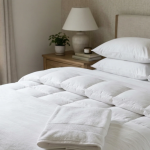
Commercial bedding is moving away from stark, bleached-white minimalism toward warmer tones, layered textures, and visible sustainability credentials. This shift is driven by guests who notice fabric quality directly and increasingly research sourcing before they book.
The Shift Toward “Quiet Luxury” in Hospitality Bedding
“Quiet luxury” describes a design approach built on understated, high-quality materials rather than visual flash. In commercial bedding, that translates to natural or natural-feel fibers, traceable sourcing, and a tactile, restorative feel rather than a purely visual one — a bed positioned as a genuine rest space, not just a photo backdrop.
Color and Texture: What’s Replacing Institutional White
Properties are moving away from flat, uniform white toward warmer, more residential palettes:
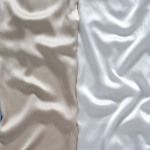
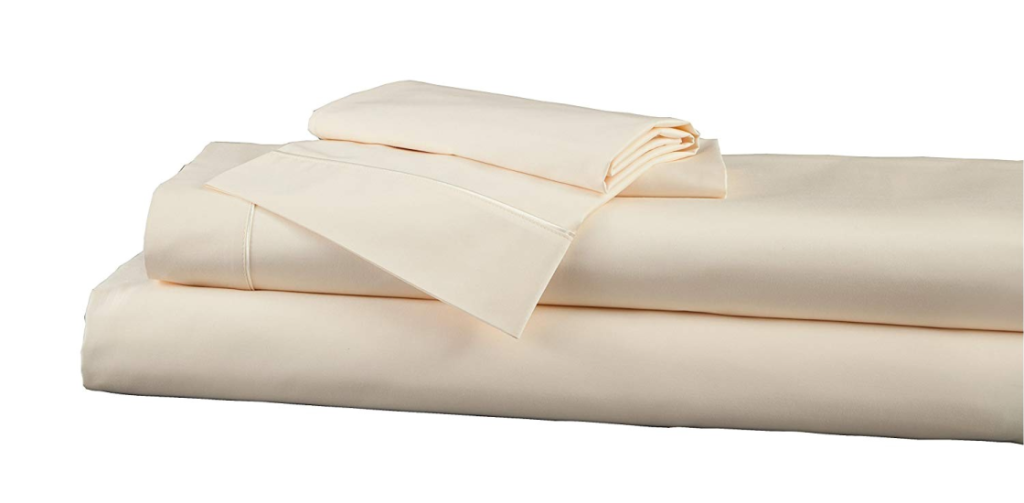
Warm neutrals — cream, ivory, and taupe replacing stark hospital white for a softer, more residential feel. Grounding accent tones — terracotta, sage, and clay used in accent textiles rather than base sheets. Layered textures — a crisp percale base paired with a waffle-weave blanket or a linen-blend duvet cover, adding visual depth without adding bulk.
| Design Element | Older Commercial Approach | 2026 Guest Expectation |
|---|---|---|
| Visual style | Bleached, uniform white | Warm neutrals, textured layering |
| Fabric feel | Stiff, heavily starched synthetic blends | Breathable, natural or natural-feel fibers |
| Sustainability | Cost-first, low priority | Certified, traceable sourcing |
Which Fabrics Should You Actually Buy for Luxury Wholesale Bedding?
The fiber you choose determines both guest-facing feel and how the sheet survives industrial laundering — and in 2026, three categories dominate premium commercial orders: long-staple cotton, TENCEL Lyocell blends, and bamboo Lyocell. For a deeper material breakdown, see our commercial hotel sheet fabric guide.
Long-Staple and Extra-Long-Staple (ELS) Cotton
Long-staple cottons, including Egyptian and combed cotton, remain the reference standard for premium hospitality sheets because the longer fiber creates a smoother, more consistent yarn.
Fewer weak points: longer fibers mean fewer exposed fiber ends, which is the main mechanical cause of pilling. Improves with wash cycles: quality long-staple cotton tends to soften over repeated commercial washing rather than degrading. Classic crisp hand-feel: still the fabric most guests associate with a genuine “hotel sheet” experience.
TENCEL Lyocell and Linen Blends
TENCEL Lyocell is a wood-pulp-derived fiber prized for moisture management and a soft, smooth surface, and it’s increasingly blended with linen for texture.
Moisture handling: Lyocell fiber structure absorbs and releases moisture efficiently, which helps with hot sleepers. Skin-friendly surface: the smooth fiber profile has less surface friction than many cotton weaves, which matters for sensitive-skin guests. Textural contrast: blending with linen adds visible texture that suits the warmer, layered aesthetic properties are shifting toward.
Bamboo Lyocell
Bamboo-derived Lyocell is gaining share for its temperature-regulating feel and natural odor resistance, though — like all Lyocell — the “bamboo” in the name refers to the source pulp, not the finished fiber structure, which is chemically similar to other Lyocell types. If you’re weighing this against synthetic options, our microfibre vs cotton comparison breaks down the trade-offs.
Temperature regulation: the fiber structure allows a cooling feel in warm conditions. Odor resistance: naturally resists bacterial buildup between wash cycles, useful for high-turnover properties. Silky drape: offers a sheen and drape closer to silk than to standard cotton, at a lower cost.
Beyond Thread Count: The Metrics That Actually Predict Quality
Thread count alone is a weak signal for commercial durability, and a high number often means multiple thin, low-quality yarns twisted together rather than one strong, long fiber. Weave structure, fabric weight, and finishing treatments tell you far more about how a sheet will hold up — our thread count vs GSM guide covers this comparison in detail.
Weave Structure: Percale vs. Sateen
Percale weave is a simple one-over-one grid that produces a matte, crisp, breathable finish. It’s the more durable, easier-care option for high-turnover commercial laundering. For buyers who want a closer look at this weave specifically, our best percale sheets guide walks through selection tips.
Sateen weave uses a four-over-one pattern that creates a glossier, heavier, more lustrous fabric. It feels more luxurious but is more prone to snagging and needs more careful laundering.
Fabric Weight (GSM)
GSM (grams per square meter) measures fabric density. For premium commercial sheets, a 120–140 GSM range is generally the target: heavy enough for durability and opacity, light enough to dry efficiently in industrial laundry cycles without pushing up energy and turnaround costs.
Finishing Treatments That Affect Longevity
Mercerization: a chemical treatment that swells cotton fibers, improving strength, dye uptake, and pilling resistance. Sanforization: a mechanical pre-shrinking process that locks in dimensional fit so sheets don’t warp or shrink noticeably after the first industrial wash.
Why Buy Bedding in Bulk? The Financial and Operational Case
Bulk purchasing lowers cost per unit through volume pricing, but the bigger operational win is consistency — every sheet in the order matches in weight, dimension, and dye lot, which matters more at scale than it seems on paper. Working with the right partner matters here too; our bulk bedding supplier guide covers what to look for.
Maintaining a 3-Par Inventory System
A standard hospitality linen program runs on a three-set rotation per bed:
Par 1 — the set currently on the guest bed. Par 2 — a clean set ready in the closet or linen room for the next turnover. Par 3 — a set in the wash-and-rest cycle, recovering before its next use.
Buying in bulk is what makes this rotation sustainable — running below par levels during peak season is one of the most common causes of emergency, off-cycle purchasing at poor pricing.
Wholesale vs. Consumer Retail Bedding: What’s Actually Different
| Feature | Consumer Retail Sheets | Commercial Wholesale Linens |
|---|---|---|
| Tensile strength | Built for light home laundering | Engineered for daily industrial wash cycles |
| Shrinkage control | Often minimal, prone to warping | Pre-shrunk (sanforized) to hold dimensional fit |
| Pricing structure | Flat per-set retail pricing | Tiered volume discounts |
| Typical lifespan under heavy rotation | Roughly 6–12 months | Roughly 2–3 years under managed par levels |
These lifespan figures reflect general industry rotation patterns rather than a single controlled study — actual sheet life varies by fiber, GSM, wash chemistry, and laundering frequency, so treat them as planning ranges rather than guarantees. For sourcing options closer to home, see our wholesale bedding Canada guide.
How to Vet a Sourcing Partner on Sustainability and Transparency
Guests increasingly research sourcing claims before booking, so unverified labels like “eco-friendly” or “all-natural” carry real reputational risk if they can’t be backed up — third-party certification is the only reliable way to confirm a supplier’s claims.
Certifications Worth Verifying
OEKO-TEX Standard 100: confirms every component of the finished product — threads, buttons, and zippers included — has been tested for harmful chemical residue. Global Organic Textile Standard (GOTS): covers ecological and social criteria across the full supply chain, from raw fiber harvesting through final manufacturing. Closed-loop Lyocell processing: for TENCEL and bamboo Lyocell specifically, ask whether the mill recovers and reuses the organic solvent used in fiber production, since this is the main environmental differentiator between Lyocell producers.
Why Traceability Matters Beyond Marketing
A traceable supply chain isn’t just a guest-facing selling point — it protects a buyer from sudden regulatory shifts, supply shocks, and the reputational risk of an unverified sustainability claim getting challenged publicly. Increasingly, procurement teams treat this as a risk-management line item rather than an optional marketing add-on.
Frequently Asked Questions
What thread count should hospitality buyers look for in wholesale sheets?
Most industry buyers target a 200–400 single-ply thread count range for percale or sateen weaves. Numbers well above that range often signal multi-ply yarns made from shorter, weaker fibers rather than genuinely finer thread — a common way lower-quality sheets are marketed to look premium.
Why buy hospitality bedding in bulk instead of ordering as needed?
Bulk buying secures volume-based pricing and, more importantly, keeps a 3-par inventory system intact so properties never run short during peak occupancy. It also guarantees every sheet in a property comes from the same production run, avoiding mismatched shades of white or cream between rooms.
What’s the difference between percale and sateen weave?
Percale uses a one-over-one weave that creates a crisp, matte, breathable fabric that holds up well to frequent industrial washing. Sateen uses a four-over-one weave that produces a glossier, silkier, heavier fabric, but one that’s more prone to snagging and needs gentler laundering.
What GSM range is best for commercial hotel sheets?
A GSM range of 120–140 is the common target for premium commercial sheets, balancing durability and opacity against reasonable drying times in industrial laundry cycles. Lower GSM sheets can feel thin under heavy use; much higher GSM increases drying time and laundry cost without a proportional guest-experience gain.
Which certifications should I check before signing a wholesale bedding contract?
Look for OEKO-TEX Standard 100, which verifies the finished product is free of harmful chemical residue, and GOTS certification, which covers organic and ethical sourcing across the supply chain. For Lyocell-based fabrics, also ask whether the mill uses closed-loop solvent recovery.
Is TENCEL Lyocell or long-staple cotton better for hotel sheets?
Neither is universally “better” — long-staple cotton delivers the classic crisp hotel feel and proven industrial-wash durability, while TENCEL Lyocell offers stronger moisture management and a smoother surface that suits hot sleepers and sensitive skin. Many properties now blend the two to get benefits from each.
How long do commercial wholesale sheets typically last?
Under a well-managed 3-par rotation, commercial-grade wholesale sheets are commonly expected to last around 2–3 years, compared to roughly 6–12 months for consumer retail sheets under similarly heavy use. Actual lifespan depends heavily on fiber choice, GSM, and laundering practices, so these are planning estimates rather than fixed guarantees.
What does “quiet luxury” mean in commercial bedding?
Quiet luxury refers to a design approach that favors high-quality, natural-feel materials and understated, warm-toned aesthetics over visually flashy design. In bedding, it shows up as layered textures, muted neutral palettes, and visible sustainability credentials rather than stark white, heavily branded linens.