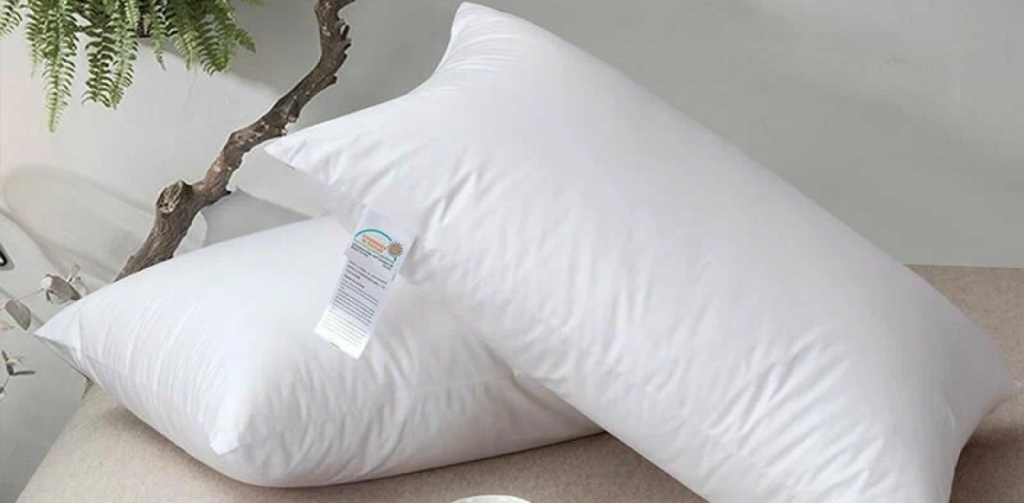
Cooling pillowcases help hotels reduce guest overheating, improve sleep quality, and lower the risk of negative reviews tied to a hot, uncomfortable night. Fabrics like bamboo viscose, Tencel/lyocell, and certain performance synthetic weaves pull heat and moisture away from the body, giving guests an immediate sense of comfort that standard cotton pillowcases often cannot match.
For hotel procurement teams, cooling bedding is not just a comfort upgrade, it is a review management tool. A single bad night’s sleep is one of the more common triggers for a critical online review, and pillowcase temperature plays a bigger role in that than most operators expect. This guide breaks down which materials actually deliver cooling performance, what to check before sourcing at scale, and how to introduce cooling bedding without disrupting housekeeping operations.
Why Cooling Pillowcases Matter for Guest Reviews
Overheating during sleep is one of the most common causes of restless, interrupted rest, and guests rarely separate that discomfort from their overall impression of a property. A hot, sticky night is far more likely to show up in a written review than a merely average one.
Direct impact on sleep quality. Guests who overheat wake more often during the night, which affects how rested they feel the next morning and how they remember the stay.
Review triggers. Standard bedding rarely earns a compliment, but a hot night is memorable in the wrong way. This makes bedding temperature an asymmetric risk: it can quietly hurt reviews, but rarely helps them unless it’s genuinely noticeable.
Perceived value at check-in. A cool-to-the-touch pillowcase creates an immediate physical impression of cleanliness and quality the moment a guest gets into bed, before they have evaluated anything else about the room.
Top Cooling Materials for Hospitality Bedding
Not all “cooling” claims on a product label mean the same thing. Here is how the main fiber categories compare for hospitality use.
| Material | How It Cools | Feel | Best Fit |
|---|---|---|---|
| Bamboo viscose | Naturally porous fiber structure promotes airflow and moisture-wicking | Soft, smooth, gentle on skin | Eco-focused or wellness-branded properties |
| Tencel / lyocell | Highly absorbent fiber that regulates temperature through moisture management | Exceptionally smooth, silk-like | Properties wanting both sustainability and performance |
| Performance synthetic weaves | Engineered fiber structure conducts heat away from the body | Cool to the touch, often stretch-knit | Properties prioritizing consistent cool-to-touch feel across all room tiers |
Bamboo Viscose
Bamboo viscose fiber has a naturally porous structure that allows air to move through the fabric, combined with strong moisture-wicking performance that pulls sweat away from the skin. It is a common choice for hotels building a wellness or eco-conscious guest experience alongside cooling performance.
Tencel and Lyocell
Tencel and lyocell fibers are known for high absorbency and a notably smooth hand-feel, which together support effective temperature regulation. These fibers are processed using methods that recover and reuse water and solvents, making them a frequent pick for hotels balancing sustainability claims with guest comfort.
Performance Synthetic Weaves
Some cooling pillowcases use engineered synthetic blends, often nylon-spandex or similarly constructed weaves, designed to conduct heat away from the body continuously rather than relying on a temporary cool-to-touch sensation. These fabrics can offer very consistent performance across large room inventories, though buyers should confirm durability under repeated commercial laundering before committing to a full property rollout.
[INTERNAL LINK: suggested anchor text “pillowcases and pillows”]
Operational Considerations for Hotel Buyers
Cooling performance is only part of the sourcing decision. Hotels also need to weigh how a fabric performs under the operational demands of a working property.
Durability Under Commercial Laundering
Commercial laundering uses higher heat and more aggressive cycles than household washing, which can affect a fabric’s cooling properties over time. Buyers should confirm with any supplier whether a cooling fabric is rated to withstand high-heat commercial drying without losing its tactile cooling performance, rather than assuming retail-grade claims translate directly to hotel-scale use.
Stain and Oil Resistance
Facial oils and night creams are a routine part of hotel laundering, and some synthetic cooling blends resist these better than traditional silk, which can stain and degrade more easily under repeated washing. This is a practical factor worth weighing alongside cooling performance, especially for higher-turnover room tiers.
Housekeeping Efficiency
Closure style affects how quickly housekeeping staff can turn over a room. Envelope-closure pillowcase designs, which avoid buttons or loose folds, are generally faster to fit than styles with more complex closures, which can add up across a property with a high volume of daily turnovers.
How Northern Linens’ Team Handles This
Our Production and Manufacturing team sources cooling fabrics with commercial laundering demands built into the evaluation, not just retail comfort claims. Our Quality Control team runs batch testing before shipment, so hotel buyers are working from fabric that has been checked for consistency rather than relying on a single sample to represent an entire order.
Cooling Pillowcase Fabric Comparison
Use this table to weigh material choice against your property’s priorities.
| Priority | Best Material Match |
|---|---|
| Eco-conscious guest positioning | Bamboo viscose or Tencel/lyocell |
| Consistent cool-to-touch feel across large inventories | Performance synthetic weaves |
| Sensitive skin or allergy-conscious guests | Bamboo viscose (naturally hypoallergenic) |
| High-turnover, high-volume laundering | Performance synthetic weaves or Tencel/lyocell |
| Luxury, natural-fiber guest experience | Bamboo viscose or Tencel/lyocell |
No single fabric wins on every priority. Many properties choose one primary cooling material for standard rooms and reserve a second, higher-end option for premium room tiers.
How to Introduce Cooling Pillowcases Without Disrupting Operations
Switching a property’s entire pillowcase inventory at once is rarely necessary, and testing performance before a full rollout reduces the risk of an unpopular or poorly performing choice reaching every guest room.
- Pilot in a limited room set. Test the fabric in a specific room tier or building wing before committing to a full property changeover.
- Run it through your actual laundry process. Commercial laundering conditions vary by property, so confirm durability and cooling retention using your own equipment and detergents rather than relying on manufacturer claims alone.
- Collect direct guest feedback. Use post-stay surveys or front desk feedback to gauge whether guests notice and appreciate the change.
- Expand based on performance, not assumption. Scale the order once the pilot confirms the fabric holds up under your property’s specific laundering conditions.
How Northern Linens’ Team Handles This
Flexible MOQs are designed to support exactly this kind of phased rollout, so hotel groups can test a cooling fabric in a limited room set before committing to a full property order. Our Wholesale Account Management team works with buyers through each stage, from an initial sample request to a larger restocking order once a fabric is confirmed to perform well on-site.
What to Check Before Sourcing Cooling Pillowcases Wholesale
Before placing a bulk order, confirm the following with your supplier.
- Fiber type and construction. Ask specifically whether the product is bamboo viscose, Tencel/lyocell, or a synthetic cooling weave, since marketing terms like “cooling fabric” can describe very different materials.
- Certification documentation. Look for OEKO-TEX certification, which verifies the textile has been tested for harmful substances, rather than relying on general sustainability or comfort claims.
- Commercial laundering guidance. Ask for specific wash and dry recommendations suited to hotel-scale laundering, not just household care instructions.
- Minimum order quantities. Confirm the supplier can support a pilot-sized order before scaling to a full property or portfolio rollout.
- Private label options. If cooling bedding is part of a marketed guest amenity, ask whether custom labeling or packaging is available to support that positioning.
- Regional fulfillment. For multi-property groups, confirm the supplier can fulfill restocking orders regionally to avoid long delays between orders.
Marketing Cooling Bedding as a Guest Amenity
Once a cooling pillowcase program is in place, it can become a genuine differentiator in how a property markets its rooms, provided the claims made match what guests actually experience.
- Mention the specific material (bamboo, Tencel, or performance weave) rather than a vague “cooling technology” claim, since specificity builds more credibility with guests researching amenities
- Highlight cooling bedding alongside other sleep-focused amenities, such as blackout curtains or mattress toppers, to build a cohesive “better sleep” positioning
- Avoid overstating performance in marketing copy beyond what the fabric reliably delivers, since a guest who expects dramatic cooling and experiences only a mild improvement is more likely to leave a critical review than one with accurate expectations
How Northern Linens Simplifies Sourcing Cooling Pillowcases for Hospitality
Sourcing cooling bedding at scale often means navigating vague marketing claims, inconsistent fabric batches, and suppliers who cannot support a phased rollout across a hotel portfolio. Northern Linens is structured to remove that friction from the sourcing process.
With OEKO-TEX certification currently held, in-house quality checks before every shipment, batch-tested products, flexible MOQs, and warehouses in Canada and the USA for regional fulfillment, our team is built to support hotels moving from a single-room pilot to a full cooling bedding program across a property or portfolio.
[INTERNAL LINK: suggested anchor text “request wholesale cooling pillowcase samples and pricing”]
Frequently Asked Questions
Do cooling pillowcases actually work?
Fabrics like bamboo viscose, Tencel, and certain performance synthetic weaves genuinely improve breathability and moisture-wicking compared to standard cotton, which can create a real cool-to-the-touch sensation. Results vary by fabric quality and individual guest sensitivity, so hotels should pilot a fabric before a full rollout to confirm it performs as expected in their setting.
What is the best pillowcase material for cooling in a hotel setting?
There is no single best material for every property. Bamboo viscose and Tencel/lyocell suit properties prioritizing natural fibers and sustainability positioning, while performance synthetic weaves often deliver more consistent cool-to-touch feel across large, high-turnover inventories.
Can cooling pillowcases withstand commercial laundering?
Many cooling fabrics can withstand commercial laundering when properly cared for, but performance and durability depend heavily on fiber quality and wash conditions. Buyers should confirm specific commercial laundering guidance with their supplier and test performance using their own laundry equipment before a full property rollout.
How do cooling pillowcases affect guest reviews?
Overheating is a common cause of poor sleep, and poor sleep is a frequent driver of negative reviews. Cooling bedding does not guarantee better reviews, but it removes a common source of guest discomfort that can otherwise show up in written feedback.
Are bamboo pillowcases hypoallergenic?
Yes, bamboo fiber naturally resists dust mites and mold more effectively than many conventional fabrics, which can benefit guests with sensitive skin or mild allergies. This is one of the reasons bamboo is often paired with cooling and wellness-focused guest amenities.
What should I look for when buying cooling pillowcases wholesale for a hotel?
Confirm the exact fiber type, request OEKO-TEX or equivalent certification documentation, and ask for specific commercial laundering guidance rather than relying on retail packaging claims. Also confirm the supplier can support a smaller pilot order before committing to a full property purchase.
Is it worth using different cooling fabrics for different room tiers?
Many properties do this successfully, using a performance synthetic weave for standard rooms and a bamboo or Tencel option for premium tiers. This allows a property to balance cost and guest experience across its full room inventory rather than applying one fabric everywhere.