Silk pillowcases are made from a natural protein fiber that regulates temperature and handles gently, while satin pillowcases are a woven fabric, usually polyester, that delivers a similar smooth surface at a lower cost and with far easier commercial laundering. For hotel and spa buyers, the right choice depends on guest tier, laundering setup, and how the linen budget is split across rooms or treatment suites.
This guide breaks down the material differences, the true cost of ownership for each option, and how to decide between silk and satin for your property without guessing.
What Is the Difference Between Silk and Satin Pillowcases?
Silk is a fiber. Satin is a weave. That single distinction explains almost every difference a wholesale buyer will run into.
- Silk comes from the cocoon of the silkworm, most commonly mulberry silk, and is spun into thread before being woven into fabric. It is a natural material with its own breathability, moisture handling, and hand-feel.
- Satin describes how a fabric is woven, not what it is made from. Most commercial satin pillowcases are woven from polyester or a poly-cotton blend, though satin can technically be woven from silk as well.
This means a “silk pillowcase” and a “silk satin pillowcase” can be the same product, while a plain “satin pillowcase” sold at a low price point is almost always synthetic. Buyers sourcing in bulk need to confirm fiber content on the spec sheet, not just the marketing name on the product listing.
Quick Definitions for Procurement Teams
- Silk pillowcase: Woven from natural silk fiber, priced and graded by momme weight.
- Satin pillowcase: Woven fabric structure, most often synthetic, priced by fabric weight and thread density rather than momme.
- Momme: The unit used to measure the density and quality of silk fabric. Higher momme generally means a heavier, more durable silk.
Material and Performance Comparison
The table below summarizes how silk and satin perform against the factors that matter most in a commercial or hospitality setting.
| Factor | Silk Pillowcases | Satin Pillowcases |
|---|---|---|
| Fiber type | Natural protein fiber (mulberry silk) | Usually synthetic (polyester or poly blend) |
| Breathability | High; adapts to body temperature | Lower; tends to trap heat and moisture |
| Feel against skin and hair | Very smooth, low friction, minimal snagging | Smooth, slightly more friction than silk |
| Typical grading | Momme weight, usually 19 to 25 momme for commercial use | Thread count or fabric weight |
| Commercial laundering | Requires gentle cycles, low heat, mild detergent | Handles standard industrial laundering well |
| Durability under frequent washing | Moderate; degrades faster with harsh detergents | High; built for repeated commercial wash cycles |
| Hypoallergenic properties | Naturally resistant to dust mites | Depends on fiber; not inherently hypoallergenic |
| Unit cost at wholesale volume | Higher | Lower |
| Best guest tier | Luxury suites, spa treatment rooms, premium amenity programs | High-turnover rooms, mid-tier hotels, budget-conscious retail lines |
Breathability and Guest Comfort
Guests notice temperature regulation more than almost any other bedding feature, especially in spa and wellness settings where the pillowcase is part of the treatment experience.
Silk fibers naturally adjust to body heat, which helps reduce night sweating and keeps the surface feeling cool. This matters most in warm climates, heated treatment rooms, or any property marketing itself on comfort and wellness.
Satin, particularly synthetic satin, does not breathe the same way. It can trap heat and moisture against the skin, which is less noticeable in a short spa treatment but becomes more relevant for overnight hotel stays, especially in warmer regions or during summer months.
Durability and Commercial Laundering
This is where the decision often gets made for large-scale buyers, because laundering cost and linen lifespan directly affect the total cost of ownership.
- Satin pillowcases are built to handle industrial washing machines, high heat, and standard detergents without breaking down quickly. This makes them the practical choice for properties doing daily turnover across dozens or hundreds of rooms.
- Silk pillowcases need gentler handling. Harsh detergents, high heat, and rough commercial cycles shorten their lifespan and can damage the fiber. Some properties route silk linens through a separate, lower-heat wash process or a specialty laundering partner, which adds a step to daily operations.
If your laundering setup is entirely outsourced to a single industrial facility with no separate gentle-cycle option, satin will almost always hold up better across a full linen program. If you already run mixed laundering protocols, for example a boutique hotel or spa hand-washing amenity linens separately from bulk sheets, silk becomes more workable.
Pricing and Bulk Acquisition
Satin is the lower-cost option at every stage: raw material, manufacturing, and per-unit wholesale pricing. This makes it the default choice for high-turnover boutique hotels, budget-tier properties, and retail programs that need to stock a large volume of pillowcases without a premium price point.
Silk commands a higher per-unit cost because of the raw material itself and the more careful manufacturing process required to produce consistent momme weight and finish. This cost is usually justified for:
- VIP suites and premium room categories
- Spa and wellness treatment rooms where the linen is part of the paid experience
- Amenity retail programs where silk pillowcases are sold directly to guests
- Boutique or luxury branding where the tactile guest experience is a differentiator
For most properties, the real answer is not silk versus satin as an either-or decision. It is a tiered approach: satin across standard room inventory, silk reserved for premium categories where the cost is recoverable through room rate or retail margin.
Decision Framework: Which Should You Order?
Use this quick framework to narrow your choice before requesting a wholesale quote.
- What is your guest tier? Luxury wellness spa or premium suite programs lean toward silk. High-volume boutique or mid-tier hotel programs lean toward satin.
- What is your laundering setup? In-house commercial machines with a single wash protocol favor satin. Outsourced or mixed laundering with a gentle-cycle option opens the door to silk.
- Is the pillowcase part of a paid experience? Spa treatments and premium amenity retail can absorb the higher per-unit cost of silk more easily than standard room stock.
- How often does the property need to restock? High-turnover properties benefit from satin’s durability under frequent washing, which reduces reorder frequency.
How Northern Linens’ Team Handles This
Sourcing the right pillowcase fabric at wholesale volume is rarely a single decision. Most hotel groups, spa operators, and retailers end up running more than one fabric tier at once, and getting the fiber content, momme weight, and finish consistent across a large order is where sourcing usually breaks down.
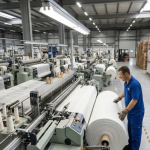
Northern Linens’ Production and Quality Control teams batch-test fabric before it ships, checking for consistency in weight, weave, and finish so that a reorder six months later matches the original order rather than arriving as a slightly different product. Our Private Label and Custom Development team works directly with buyers who want to run a tiered program, for example satin across standard rooms and silk for a premium suite category, and helps structure SKUs so both fit cleanly into one purchase order and one delivery schedule. Because Northern Linens holds OEKO-TEX certification on qualifying product lines and maintains warehouses in Canada and the USA, properties running regional or multi-location programs can source both fabric types from a single supplier with regional fulfillment, rather than managing two separate vendor relationships for silk and satin.
Momme Weight: What Wholesale Buyers Should Know
Momme weight is the standard measurement for silk quality and is one of the first specifications a procurement team should confirm before placing a bulk order.
- 12 to 16 momme: Lighter weight, lower cost, less durable under frequent handling. Not typically recommended for commercial hospitality use.
- 19 to 22 momme: The common range for commercial and hospitality-grade silk pillowcases. Balances softness, durability, and cost.
- 25 momme and above: Heavier, more durable, and priced accordingly. Suited to premium suite programs or retail lines positioned at the top of a property’s amenity offering.
Satin does not use momme weight since it is a weave rather than a fiber measurement. Instead, satin quality is typically described by fabric weight and thread density, and buyers should request a fabric spec sheet rather than relying on marketing language like “luxury satin,” which has no standardized meaning across suppliers.
Care and Handling Instructions for Bulk Buyers
Passing the correct care instructions to your laundering team, whether in-house or outsourced, protects your linen investment and reduces premature reordering.
Silk pillowcases:
- Wash on a gentle or delicate cycle in cool or lukewarm water
- Use a mild, pH-neutral detergent free of bleach or optical brighteners
- Avoid high-heat tumble drying; air dry or use a low-heat setting
- Store away from direct sunlight to prevent fading
Satin pillowcases:
- Can typically withstand standard commercial wash cycles and warm to hot water
- Tolerate standard commercial detergents used across a full linen program
- Machine dry on standard settings without the same fading or fiber-damage risk as silk
Which Option Fits Your Property?
There is no single correct answer for every buyer. The table below summarizes the most common scenarios wholesale buyers bring to a linen supplier.
| Buyer Profile | Recommended Fabric | Why |
|---|---|---|
| High-turnover boutique hotel | Satin | Handles daily commercial laundering without premature wear |
| Luxury wellness spa | Silk | Guest experience and treatment quality justify the higher unit cost |
| Mid-tier hotel with a premium suite category | Both, tiered by room class | Satin for standard stock, silk reserved for premium rooms |
| Short-term rental operator | Satin | Lower cost per unit and easier laundering for hosts managing linens independently |
| Retailer selling amenity linens direct to consumers | Silk (with satin as a lower-price-point option) | Silk supports a premium retail price point; satin fills a budget tier |
| Healthcare or institutional buyer | Satin | Prioritizes durability, ease of laundering, and cost control at scale |
[INTERNAL LINK: suggested anchor text “wholesale sheet sets for hotels”] [INTERNAL LINK: suggested anchor text “private label bedding program”] [INTERNAL LINK: suggested anchor text “OEKO-TEX certified textile sourcing”]
Frequently Asked Questions
Is silk or satin better for hair and skin?
Silk generally performs better for hair and skin because the natural fiber creates less friction than most synthetic satin, which can reduce hair breakage and minimize skin creasing overnight. Satin still offers a smoother surface than cotton, making it a reasonable middle-tier option when silk is not budget-appropriate.
Can satin pillowcases go through commercial industrial laundering?
Yes. Satin, especially polyester satin, is built to withstand standard commercial wash cycles, higher heat, and standard detergents without significant degradation, which is why it remains the default choice for high-turnover hospitality programs.
What momme weight should hotels order for silk pillowcases?
Most hospitality-grade silk pillowcases fall in the 19 to 22 momme range, which balances softness and durability for commercial use. Properties positioning silk as a top-tier amenity may opt for 25 momme or higher.
Is real silk more expensive than satin at wholesale volume?
Yes, silk carries a higher per-unit cost at every stage, from raw material to finished product, because of the natural fiber and more careful manufacturing process required. Satin remains the lower-cost option for large-volume orders.
Can I order both silk and satin pillowcases from the same supplier?
Yes. Many hotel and spa operators run a tiered linen program with satin across standard inventory and silk reserved for premium rooms or treatment suites. Working with one supplier for both fabric types simplifies purchase orders and delivery scheduling.
How do I know if a “satin” pillowcase is actually silk?
Check the fabric spec sheet for fiber content. “Satin” describes a weave, not a material, so a listing needs to explicitly state silk fiber content to confirm it is not a synthetic satin weave marketed under a similar name.
Do silk pillowcases need a separate laundering process from the rest of a hotel’s linen program?
In most commercial laundering setups, yes. Silk requires gentler cycles, cooler water, and milder detergent than standard hotel linens, so properties running silk pillowcases often route them through a separate gentle-cycle process or a specialty laundering partner.
What is the minimum order quantity for wholesale silk or satin pillowcases?
Minimum order quantities vary by supplier and product line. Northern Linens offers flexible MOQs designed to support both smaller boutique orders and larger multi-property programs, so buyers should confirm current MOQ details directly with the Wholesale Account Management team for the specific product and customization level needed.