A pillowcase is a simple, open-ended sleeve that a guest actually sleeps on. A pillow sham is a decorative cover, usually closed with a back flap or zipper, that dresses the bed during the day and is removed before the guest sleeps. Hospitality buyers need both for different reasons, and mixing them up in a purchase order can slow down a rollout or leave a property short on the item guests actually touch each night.
This guide breaks down the practical differences buyers need before placing a wholesale order, including fabric, laundering, cost, and how the two items fit into a property’s overall linen program.
What Is a Pillowcase
A pillowcase is a functional sleeve, open on one end, made to hold the pillow a guest sleeps on. It is designed for direct contact with skin and hair, so it is washed after nearly every guest stay.
Pillowcases are typically made from smooth, breathable fabrics like cotton percale or sateen. Hotels choose these fabrics because they hold up to frequent commercial laundering without losing softness or shape.
What Is a Pillow Sham
A pillow sham is a decorative cover placed over a pillow for bed styling, usually during the day when the room is made up. Shams close in the back with an envelope opening, hidden zipper, or slit, rather than staying open like a pillowcase.
Shams are typically made from heavier or more textured fabric, such as jacquard, quilted cotton, or faux silk, and often include a decorative flange or border. Because they are removed before a guest sleeps, they are laundered far less often than pillowcases.
Key Differences at a Glance
The table below summarizes the practical differences that matter most when placing a bulk order for a hotel or hospitality property.
| Feature | Pillowcase | Pillow Sham |
|---|---|---|
| Main use | Sleeping, direct guest contact | Daytime bed styling and decoration |
| Opening style | Open on one end | Closed with envelope, zipper, or slit in back |
| Fabric | Smooth cotton percale or sateen | Heavier or textured decorative fabric |
| Laundering frequency | After nearly every guest stay | Occasionally, mainly when visibly soiled |
| Border or flange | Simple tailored hem | Often has a decorative flange or corded edge |
| Sizing | Matches the sleeping pillow insert | Often sized about 2 inches larger to fill out the flange |
| Cost per unit | Lower, suited for bulk purchasing | Higher, due to added stitching and closures |
Durability and Laundering for Hospitality Use
Laundering frequency is the biggest practical difference between the two items, and it should drive most of a hospitality buyer’s fabric decisions. Pillowcases need to survive frequent, high-heat commercial washing without breaking down or fading.
Shams are laundered far less often, since housekeeping staff typically only remove and wash a sham when it is stained or visibly worn. This means a hotel can reasonably choose a more delicate or decorative fabric for shams than it would for pillowcases.
- Pillowcases: Prioritize a durable, colorfast fabric rated for frequent commercial laundering.
- Shams: Prioritize appearance and structure, since wash frequency is much lower.
Fabric and Construction Differences
Fabric choice affects both feel and long-term cost, and hospitality buyers generally land in different places for each item.
Pillowcase fabric is chosen for softness against skin and hair, plus the ability to hold up over hundreds of wash cycles. Cotton percale and sateen are common choices because they balance comfort with durability.
Sham fabric is chosen for visual impact. Jacquard weaves, quilted cotton, and faux silk are common because they add texture and structure that reads well from across a room, which matters more than wash-and-wear performance.
[INTERNAL LINK: suggested anchor text “wholesale pillowcase fabric options”]
Cost and Sizing Considerations
Shams generally cost more per unit than pillowcases, largely because of the added stitching, closures, and decorative borders involved in construction. Buyers should budget shams as a smaller, decorative accent purchase rather than a bulk, per-guest-room essential in the same volume as pillowcases.
Sizing also differs. A pillowcase needs to match the sleeping pillow insert directly, while a sham insert is often sized about two inches larger than the sham cover itself, so the flange sits full rather than stretched flat.
Getting sizing wrong on a bulk order is a common, avoidable mistake. A sham ordered to match a sleeping pillow’s exact dimensions will look flat and undersized once styled on the bed.
When Hotels Need Both
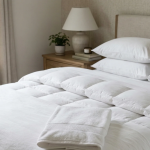
Most full-service hotels and upscale short-term rental properties use pillowcases and shams together as part of a layered bed presentation. Pillowcases stay on the sleeping pillows underneath, while shams sit in front or behind for daytime styling.
Budget and limited-service properties often skip shams entirely and rely on pillowcases alone, since housekeeping labor and linen inventory are simpler to manage with one item type.
A few property types where both items typically make sense:
- Full-service and luxury hotel chains with a styled bed program
- Boutique hotels building a distinct visual identity
- Upscale short-term rental portfolios competing on presentation
How Northern Linens’ Team Handles This
Ordering pillowcases and shams as separate SKUs from different suppliers often leads to fabric or dye lot mismatches that show up the moment they are placed on the same bed. Northern Linens’ Production & Manufacturing team can source and produce both items from coordinated fabric runs when a buyer orders them together, so color and hand feel stay consistent across the full bedding program. The Wholesale Account Management team helps buyers plan quantities for each item separately, since shams and pillowcases typically do not need to be ordered in matching volumes.
Choosing the Right Mix for Your Property Type
There is no single ratio of shams to pillowcases that fits every property. The right mix depends on room count, bed styling standards, and how often housekeeping realistically has time to restyle a bed between guest stays.
A few factors worth working through before placing an order:
- Confirm whether your brand standard calls for shams at all, or if pillowcases alone meet guest expectations.
- Order pillowcases at a higher per-room quantity to support frequent laundering cycles.
- Order shams at a lower quantity, since they are replaced far less often and mainly need to look consistent across rooms.
- Confirm sizing against your actual pillow inserts before finalizing quantities, especially for shams.
Frequently Asked Questions
Is a pillow sham the same as a pillowcase?
No. A pillowcase is an open-ended, functional cover meant for sleeping, while a pillow sham is a decorative, closed cover meant for daytime bed styling. They serve different purposes and are usually laundered on very different schedules.
Can guests sleep on a pillow sham?
Shams are not designed for regular sleeping use, since they are built for structure and appearance rather than the softness and washability a pillowcase offers. Most hospitality properties remove shams before turndown so guests sleep on the pillowcase underneath.
What type of pillowcase do hotels typically use?
Hotels generally use cotton percale or sateen pillowcases, since these fabrics balance guest comfort with the ability to withstand frequent commercial laundering.
Do hotels need to order shams at all?
Not always. Full-service and boutique properties often use shams as part of a styled bed presentation, while budget and limited-service properties frequently skip them to simplify linen inventory and housekeeping labor.
How much larger should a sham be than the pillow insert?
Shams are commonly sized about two inches larger than the pillow insert they cover, which lets the flange sit full instead of pulling flat against the pillow.
How often should hotel pillowcases be replaced?
Replacement schedules vary by property and wash volume, but pillowcases generally wear out faster than shams due to far more frequent laundering. Buyers typically plan replacement stock as part of a regular restocking cycle rather than a one-time purchase.
Can I order pillowcases and shams from the same supplier to match fabric and color?
Yes, and doing so is usually a better approach than sourcing each item separately. Ordering both from one supplier with coordinated fabric runs helps avoid the color and texture mismatches that can happen when items come from different production batches.