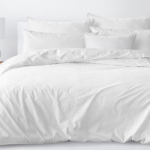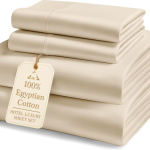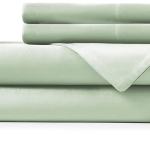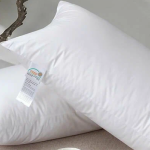
Sourcing bedding at scale is different from buying it for a single home. Hotels, healthcare facilities, and retail chains need linens that survive daily commercial laundering without losing softness, shape, or color — and suppliers who can deliver consistent quality on every reorder. Northern Linens manufactures wholesale bedding for exactly this kind of buyer, supplying retailers, hotels, and healthcare facilities across Canada and the US.
This guide breaks down what commercial-grade bedding actually requires, how wholesale programs work, and what to check before choosing a supplier.
What Makes Bedding “Commercial-Grade”?
Commercial-grade bedding is built to withstand industrial wash cycles, heavy daily use, and repeated handling without breaking down — something standard consumer bedding isn’t designed for. The difference shows up in the stitching, fabric weight, and fiber quality, not just the thread count on the label.
Key markers of true commercial-grade bedding include:
- Reinforced stitching at stress points (corners, seams, hems) to resist tearing under industrial laundry equipment
- Heavyweight, verified fabric blends that hold their structure after hundreds of wash-dry cycles, a balance best understood through thread count and GSM
- Certified safety standards, such as OEKO-TEX Standard 100, confirming the fabric is tested free of harmful substances
- Batch-tested consistency, so a reorder six months from now matches the original order exactly
Facilities that skip this distinction often end up replacing linens two to three times more often, which erodes any savings from a cheaper per-unit price.
Why Are Hotels and Institutions Driving Demand for Wholesale Bedding?
Demand is rising because global hospitality expansion and stricter guest-comfort standards are pushing hotels, healthcare facilities, and institutions to replace bedding more frequently and in larger volumes. The commercial bedding segment was valued at roughly USD 19.28 billion in 2026, with steady growth projected through the next decade as hotel, healthcare, and institutional buyers continue to expand their footprint.
A few forces behind this growth:
- New hotel construction — thousands of hospitality projects are in active development or planning across North America, and each one represents a first-time bedding order.
- Guest-experience standards — hotels are held to comfort benchmarks that consumer-grade bedding can’t consistently meet at scale.
- Healthcare and institutional replacement cycles — hospitals, clinics, and care facilities require frequent linen turnover for hygiene compliance.
- Private label growth — retailers and hospitality brands increasingly want bedding manufactured to their own spec rather than reselling generic stock.
How Does a Wholesale Bedding Program Actually Work?
A wholesale bedding program typically moves through three stages: sharing your product needs, receiving a custom quote, and approving production for fulfillment. Northern Linens follows this same structure for retail, hospitality, and institutional accounts.
| Stage | What Happens | Typical Turnaround |
|---|---|---|
| 1. Share requirements | Buyer provides product list, order volume, and delivery timeline | Same day |
| 2. Receive quote | Supplier returns wholesale pricing and lead times | Within 24 hours |
| 3. Approve and produce | Buyer confirms the quote; supplier manages production through delivery | Varies by order size and SKU customization |
Because Northern Linens manufactures in-house — controlling the process from yarn to finished, packaged product — buyers avoid the markup and inconsistency that comes with going through a distributor.
What Products Are Available in a Wholesale Bedding Catalog?
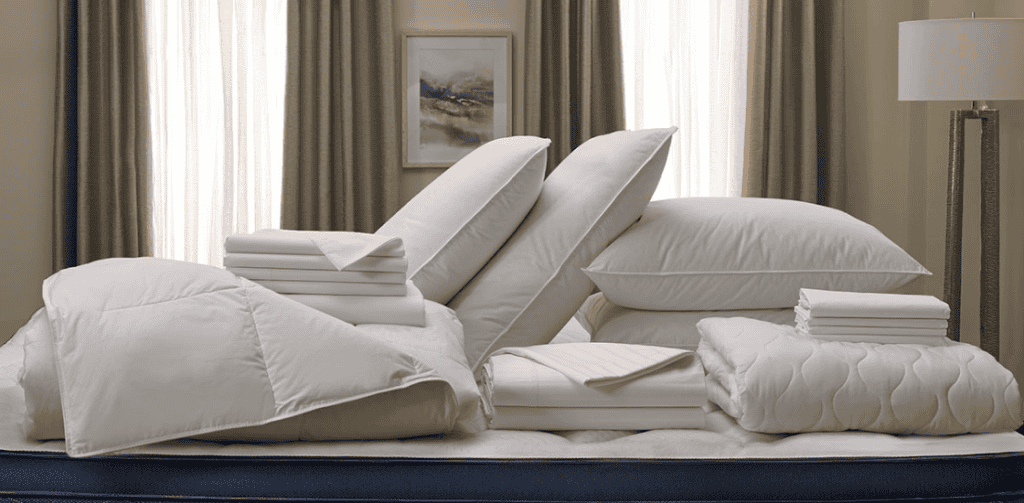
A wholesale bedding catalog for hospitality and institutional buyers should cover the full room, not just sheets. Northern Linens’ catalog spans bedding, drapery, and supporting textiles built for daily commercial use:
- Bed sheets and duvet covers
- Duvets and duvet inserts
- Curtains and drapes
- Pillows and pillowcases (hypoallergenic options available)
- Mattress protectors
- Throws for lounges and shared spaces
- Commercial kitchen aprons and linens
Every SKU can be adjusted for fabric, thread count, and packaging to match a buyer’s brand — a common requirement for hotel groups and retailers running private label programs.
What Should Buyers Check Before Choosing a Supplier?
Before signing with a wholesale bedding supplier, buyers should verify certification, warehousing location, minimum order flexibility, and whether the manufacturer controls production end-to-end. These four factors determine how reliably a supplier can support reorders at scale.
Certification matters because uncertified fabric can contain residual chemicals from processing. OEKO-TEX Standard 100 certification confirms the textile has been independently tested and found free of harmful substances — a baseline expectation for hospitality and healthcare buyers.
Warehousing location affects lead time. Suppliers stocked only overseas add weeks to reorders; a supplier warehoused in both Canada and the US can typically fulfill reorders faster since bestselling SKUs are already in stock.
Order flexibility matters for growing accounts. A program that scales from fifty units to fifty thousand without a pricing cliff is better suited to buyers whose volume will change over time.
In-house manufacturing reduces variance. When one company controls yarn sourcing through final packaging, batch-to-batch consistency is easier to guarantee than when multiple subcontractors are involved.
Frequently Asked Questions
What is the minimum order quantity for wholesale bedding?
Minimums vary by supplier and product type, but manufacturers with scalable programs — like Northern Linens — typically accommodate everything from smaller boutique orders to bulk institutional volumes under the same quality standard.
How long does a wholesale bedding order take to arrive?
Timelines depend on order size, customization, and whether the SKUs are already warehoused. Suppliers with US and Canada warehousing generally fulfill reorders of in-stock items faster than made-to-order production runs.
What is OEKO-TEX Standard 100 certification?
It’s an independent textile certification confirming that a fabric has been tested for harmful substances and found safe for use. For hospitality and healthcare buyers, it’s a key indicator of product safety and quality control.
Can wholesale bedding be private labeled?
Yes. Manufacturers offering SKU-level customization can adjust fabric, thread count, and packaging to match a retailer’s or hotel brand’s specifications, supporting private label and brand-specific sourcing.
What’s the difference between consumer bedding and commercial bedding?
Commercial bedding is built with reinforced stitching and heavier, verified fabric blends to withstand industrial laundering and daily institutional use — conditions consumer-grade bedding isn’t engineered to handle long-term.
Who typically buys wholesale bedding?
Primary buyers include hotels and hospitality groups, healthcare and institutional facilities, retailers and eCommerce brands, short-term rental operators, and distributors reselling to smaller accounts.
Does buying bedding in bulk actually save money?
Bulk wholesale pricing removes distributor markup and typically lowers per-unit cost, but the larger savings come from durability — commercial-grade bedding needs replacing less often than consumer-grade product used in the same conditions.