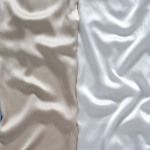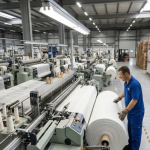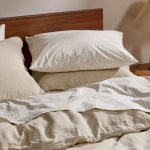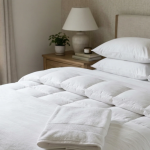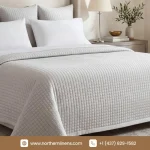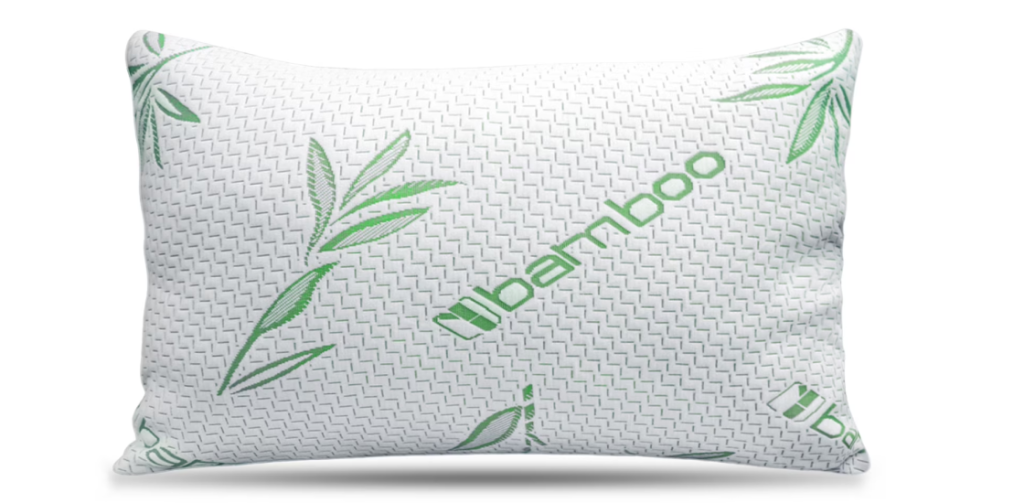
Bamboo pillowcases give eco-conscious hotels a sustainable, breathable, and silky-soft bedding option that appeals to guests looking for a cleaner, more comfortable stay. Made from bamboo viscose or lyocell fibers, they naturally regulate temperature, resist allergens, and hold up well under the repeated commercial laundering hotels depend on.
For procurement teams and hospitality operators, bamboo pillowcases are no longer a niche upgrade. They sit at the intersection of two things guests increasingly notice: sustainability credentials and genuine sleep comfort. This guide covers what makes bamboo fabric work for hotel bedding programs, what to look for when sourcing at scale, and how to avoid the sourcing pitfalls that trip up first-time bulk buyers.
What Are Bamboo Pillowcases Made From?
Bamboo pillowcases are made by processing bamboo pulp into a soft, spinnable fiber, most commonly through a viscose or lyocell method. The resulting fabric is woven or knit into pillowcases that feel closer to silk or high-thread-count cotton than to raw bamboo material.
There are two common processing methods buyers should understand before sourcing:
| Process | How It Works | What It Means for Buyers |
|---|---|---|
| Bamboo viscose (rayon) | Bamboo pulp is dissolved with chemical solvents and re-spun into fiber | Softer feel, widely available, quality depends heavily on supplier processing standards |
| Bamboo lyocell | Uses a closed-loop process that recovers and reuses solvents | Generally considered a lower-impact process, often marketed as the more sustainable option |
Both processes start with bamboo, a fast-growing plant that requires less irrigation than cotton. But the finished fabric’s environmental footprint depends heavily on how the manufacturer processes it, which is why sourcing from a supplier with verifiable certifications matters more than the word “bamboo” on a label.
[INTERNAL LINK: suggested anchor text “pillowcases and pillows”]
Why Bamboo Pillowcases Suit Eco-Conscious Hotels
Hotels choosing bamboo pillowcases are typically solving for two things at once: guest comfort and a genuine sustainability story they can back up. Bamboo fabric addresses both.
Temperature Regulation
Bamboo fibers have a naturally porous structure that allows air to move through the fabric more freely than tightly woven synthetic materials. This gives the fabric a cooling feel against the skin, which matters for hotel guests who run warm at night or are sleeping in an unfamiliar room.
Moisture-Wicking Performance
Bamboo fabric absorbs and releases moisture efficiently, helping pull perspiration away from the skin rather than trapping it against the pillowcase surface. This is one of the more consistently cited comfort benefits among hospitality buyers moving away from standard polyester-cotton blends.
Hypoallergenic Properties
Bamboo fiber naturally resists dust mites and mold more effectively than many conventional fabrics, which can matter for guests with sensitive skin or mild allergies. For hotels marketing a wellness-focused or allergy-conscious stay, this is a meaningful differentiator worth calling out in guest-facing materials.
Hair and Skin Friendliness
The smooth, rounded structure of bamboo fibers creates less friction against skin and hair than rougher-woven fabrics. This translates into fewer sleep creases and less hair frizz, a small but noticeable detail guests associate with higher-end bedding.
Durability Under Commercial Laundering
Hotel bedding goes through far more wash cycles than a household product, so durability under repeated commercial laundering is a real sourcing concern, not a marketing detail. Bamboo fabric, when properly processed and cared for, holds up reasonably well over time, though this depends heavily on fabric quality and laundering practices, so buyers should confirm expected performance with their supplier rather than assume it applies universally across all bamboo products.
Sustainability Value of Bamboo as a Bedding Material
Bamboo’s sustainability case starts with the raw plant itself. Bamboo grows quickly and typically requires less irrigation and fewer pesticides than cotton, which is one of the reasons it has become a common alternative fiber in eco-focused product lines.
That said, sustainability claims for bamboo bedding depend heavily on how the fiber is processed, not just where it is grown. Buyers evaluating bamboo pillowcases for a hotel program should look for:
- Closed-loop processing. Lyocell-style methods that recover and reuse water and chemical solvents rather than releasing them as waste.
- Third-party certification. Look for OEKO-TEX certification, which verifies that a textile has been tested for harmful substances, rather than relying on unverified sustainability language on a product page.
- Supply chain transparency. A supplier that can explain its sourcing and processing steps directly, rather than only pointing to general claims about bamboo as a plant.
How Northern Linens’ Team Handles This
Our Production and Manufacturing team sources bamboo fabric through processes designed to reduce supply chain waste, and our products carry OEKO-TEX certification as currently held. Rather than relying on general claims about bamboo as a sustainable plant, our Quality Control team runs batch testing before shipment, so hotel buyers are working from verified fabric standards instead of marketing language alone.
What Hotel Buyers Should Check Before Sourcing Bamboo Pillowcases in Bulk
Sourcing bamboo bedding for a single hotel is different from sourcing it for a portfolio of properties. Bulk buyers should confirm the following before committing to a supplier.
- Fiber processing method. Ask whether the fabric is bamboo viscose or lyocell, since this affects both feel and environmental impact.
- Certification documentation. Request proof of OEKO-TEX or equivalent certification rather than accepting a general sustainability claim.
- Minimum order quantities. Confirm whether the supplier can accommodate your property’s actual order size, especially for smaller boutique properties that may not need large-scale MOQs.
- Private label options. If branding matters to your guest experience, ask whether the supplier offers private label or custom packaging.
- Batch consistency. Ask how the supplier prevents color or texture variation between production runs, since inconsistent batches are one of the most common complaints among hospitality buyers sourcing fabric at scale.
- Regional fulfillment. For multi-property groups, confirm whether the supplier can fulfill orders regionally to avoid long shipping delays between restocking cycles.
How Northern Linens’ Team Handles This
Our Wholesale Account Management team works directly with hospitality buyers to match order size to actual property needs, rather than pushing a fixed MOQ regardless of scale. Warehousing in Canada and the USA is designed to support faster regional fulfillment for hotel groups managing restocking across multiple properties, and our Private Label and Custom Development team can build branded packaging into an order when that matters to a hotel’s guest experience.
Bamboo vs Cotton Pillowcases: A Quick Comparison for Hotels
Cotton remains the standard in most hotel bedding programs, so it is worth comparing the two directly before making a sourcing decision.
| Attribute | Bamboo | Cotton |
|---|---|---|
| Breathability | High, naturally porous fiber structure | Varies by weave, generally good in higher thread counts |
| Moisture-wicking | Strong, absorbs and releases moisture efficiently | Moderate, depends on weave and blend |
| Hypoallergenic properties | Naturally resistant to dust mites and mold | Can be treated, but not naturally resistant |
| Feel | Smooth, silk-like texture | Ranges from crisp (percale) to soft (sateen) |
| Sustainability profile | Depends on processing method (viscose vs lyocell) | Depends on cotton sourcing and farming practices |
| Familiarity to guests | Growing but still newer to many travelers | Long-established, widely recognized by guests |
Neither fabric is a universal answer. Hotels building a dedicated eco-wellness offering often lean toward bamboo, while properties prioritizing broad guest familiarity may stick with cotton or offer both as a room-tier option.
[INTERNAL LINK: suggested anchor text “sheet sets and bed linen”]
Care and Maintenance for Commercial Bamboo Bedding
Bamboo fabric requires slightly different care than standard cotton to maintain its softness and lifespan under repeated commercial laundering.
- Wash on a gentle cycle using cooler water rather than hot water settings
- Avoid fabric softeners and bleach, which can break down bamboo fibers over time
- Tumble dry on low heat, or line dry where facility operations allow
- Separate bamboo bedding from heavier or rougher fabrics during laundering to reduce friction wear
Hotels running high-volume commercial laundering operations should confirm these care guidelines with their laundry provider before switching a property’s bedding line, since standard hotel laundering cycles are often more aggressive than household settings.
How to Introduce Bamboo Pillowcases Without Disrupting Hotel Operations
Switching a property’s bedding line is rarely an all-or-nothing decision. Many hotels start with a phased rollout to test guest response and laundering performance before committing to a full property changeover.
A typical phased approach looks like this:
- Pilot a single room tier or property. Test bamboo pillowcases in a limited set of rooms before a full rollout.
- Confirm laundering compatibility. Run several wash cycles through your actual commercial laundry process to check durability firsthand.
- Gather guest feedback. Use guest surveys or direct feedback channels to gauge reaction before expanding the program.
- Scale the order. Once performance is confirmed, expand the order size and, if needed, extend to additional properties.
How Northern Linens’ Team Handles This
Flexible MOQs are designed to support exactly this kind of phased rollout, so hotel groups are not forced into a full-scale order before testing performance on-site. Our Customer Support team works with buyers through each stage, from an initial sample order to a full property or portfolio-wide restock.
How Northern Linens Simplifies Sourcing Bamboo Pillowcases for Hospitality
Sourcing bamboo bedding at scale is often complicated by inconsistent fabric batches, unclear certifications, and suppliers who cannot support regional restocking across multiple properties. Northern Linens is built around solving exactly that.
With OEKO-TEX certification currently held, in-house quality checks before every shipment, batch-tested products, flexible MOQs, and warehouses in Canada and the USA for regional fulfillment, our team is structured to support hotels moving from a single-property pilot to a multi-property bamboo bedding program.
[INTERNAL LINK: suggested anchor text “request wholesale bamboo pillowcase samples and pricing”]
Frequently Asked Questions
Are bamboo pillowcases good for hotels?
Yes. Bamboo pillowcases offer strong breathability, moisture-wicking, and hypoallergenic properties that suit hotel guests looking for a cooler, cleaner sleep experience, while also supporting a genuine sustainability story for eco-focused properties.
What is the difference between bamboo viscose and bamboo lyocell?
Bamboo viscose is processed using chemical solvents to dissolve and re-spin bamboo pulp into fiber, while bamboo lyocell uses a closed-loop process that recovers and reuses those solvents. Lyocell is generally considered the lower-impact processing method.
How do bamboo pillowcases hold up under commercial laundering?
Bamboo fabric can perform well under commercial laundering when properly processed and cared for, though durability depends on fabric quality and laundering practices. Hotels should confirm expected performance with their supplier and test a pilot batch through their actual laundry process before a full rollout.
Is bamboo bedding more expensive than cotton for hotels?
Pricing varies by supplier, fabric quality, and order volume, so a direct cost comparison depends on the specific sourcing agreement. Buyers should request pricing based on their actual order size rather than relying on retail pricing as a benchmark for wholesale costs.
What certifications should I look for when sourcing bamboo pillowcases wholesale?
Look for OEKO-TEX certification, which verifies a textile has been tested for harmful substances. This is a more reliable indicator of quality and safety than general sustainability language on a product page.
Can hotels order bamboo pillowcases with custom branding?
Many wholesale suppliers, including Northern Linens, offer private label and custom development options, so hotels can add branded packaging or labeling to their bamboo bedding order where that fits their guest experience.
What minimum order quantity is typical for wholesale bamboo pillowcases?
Minimum order quantities vary by supplier and can often be adjusted based on a hotel’s property size and rollout plan. Buyers testing a pilot program should ask suppliers directly about flexible MOQ options rather than assuming a fixed volume is required.